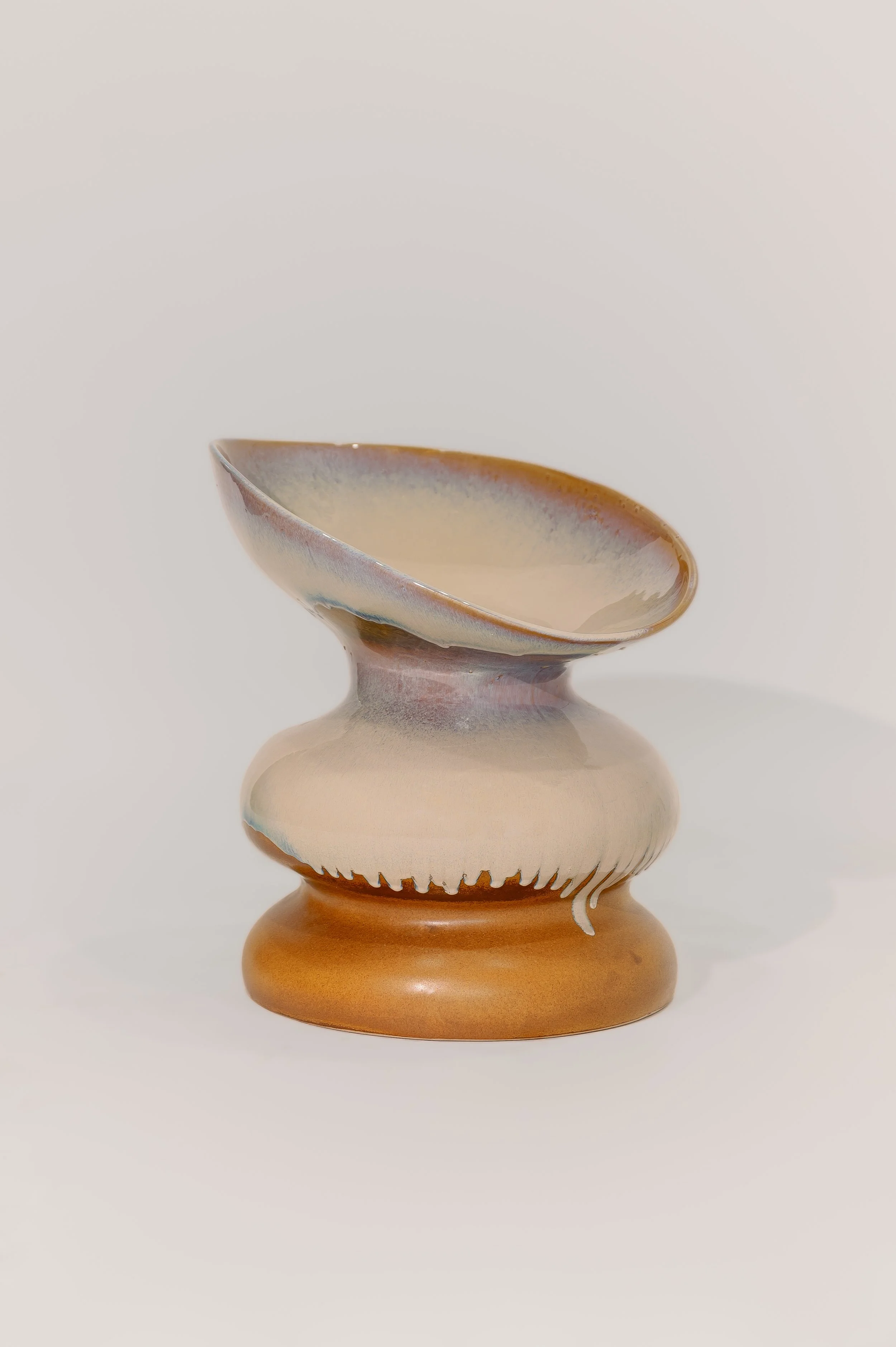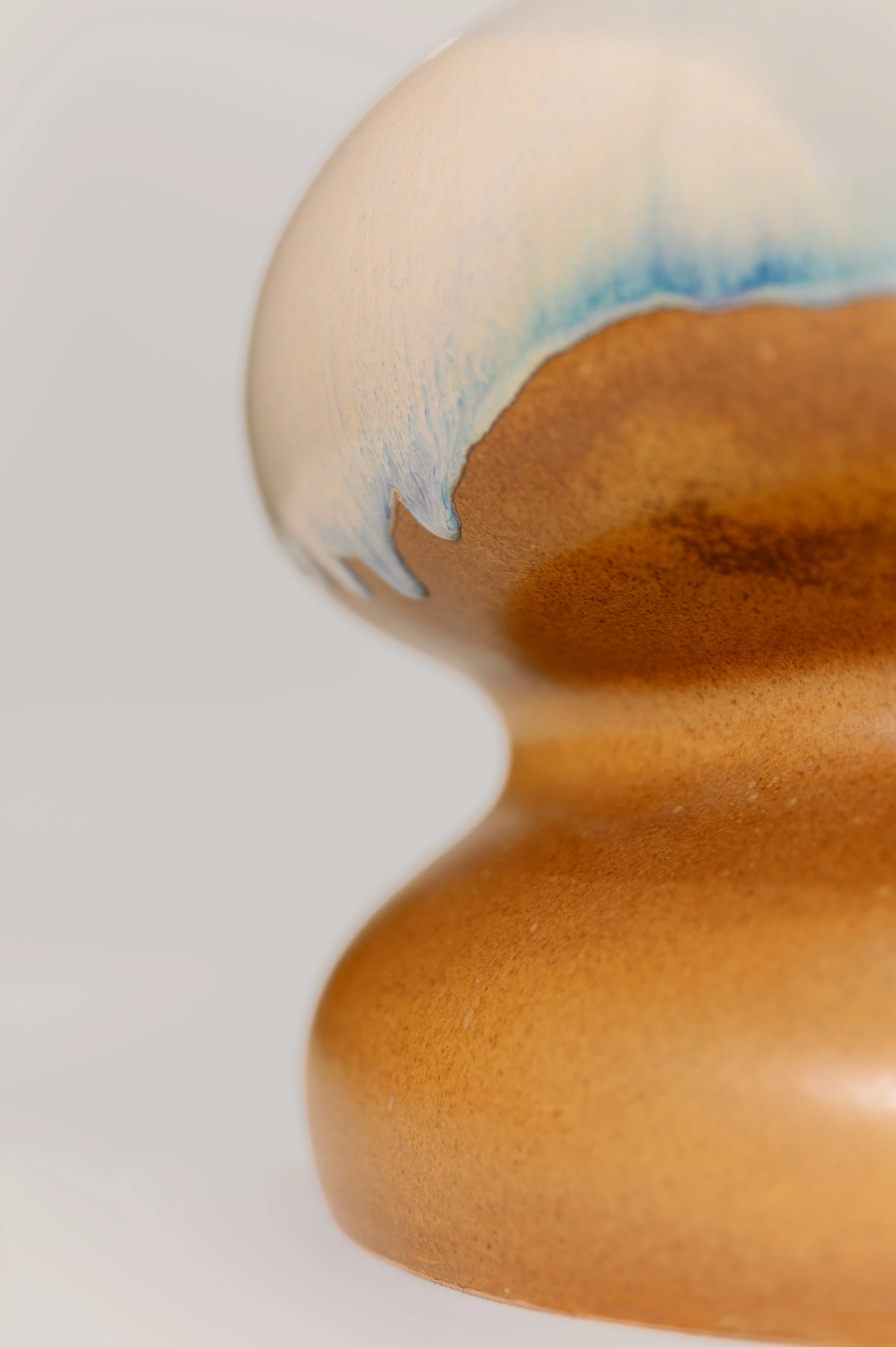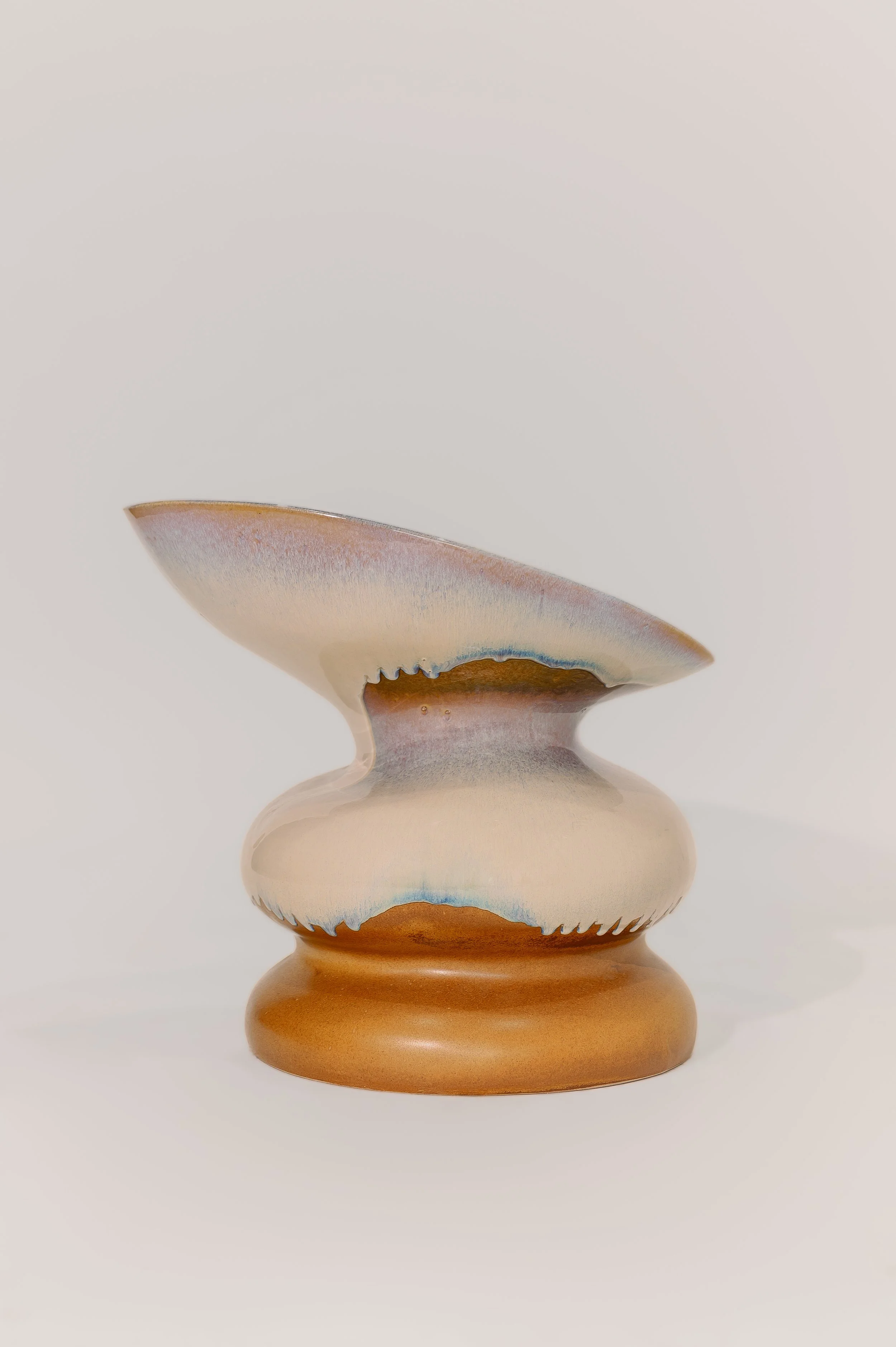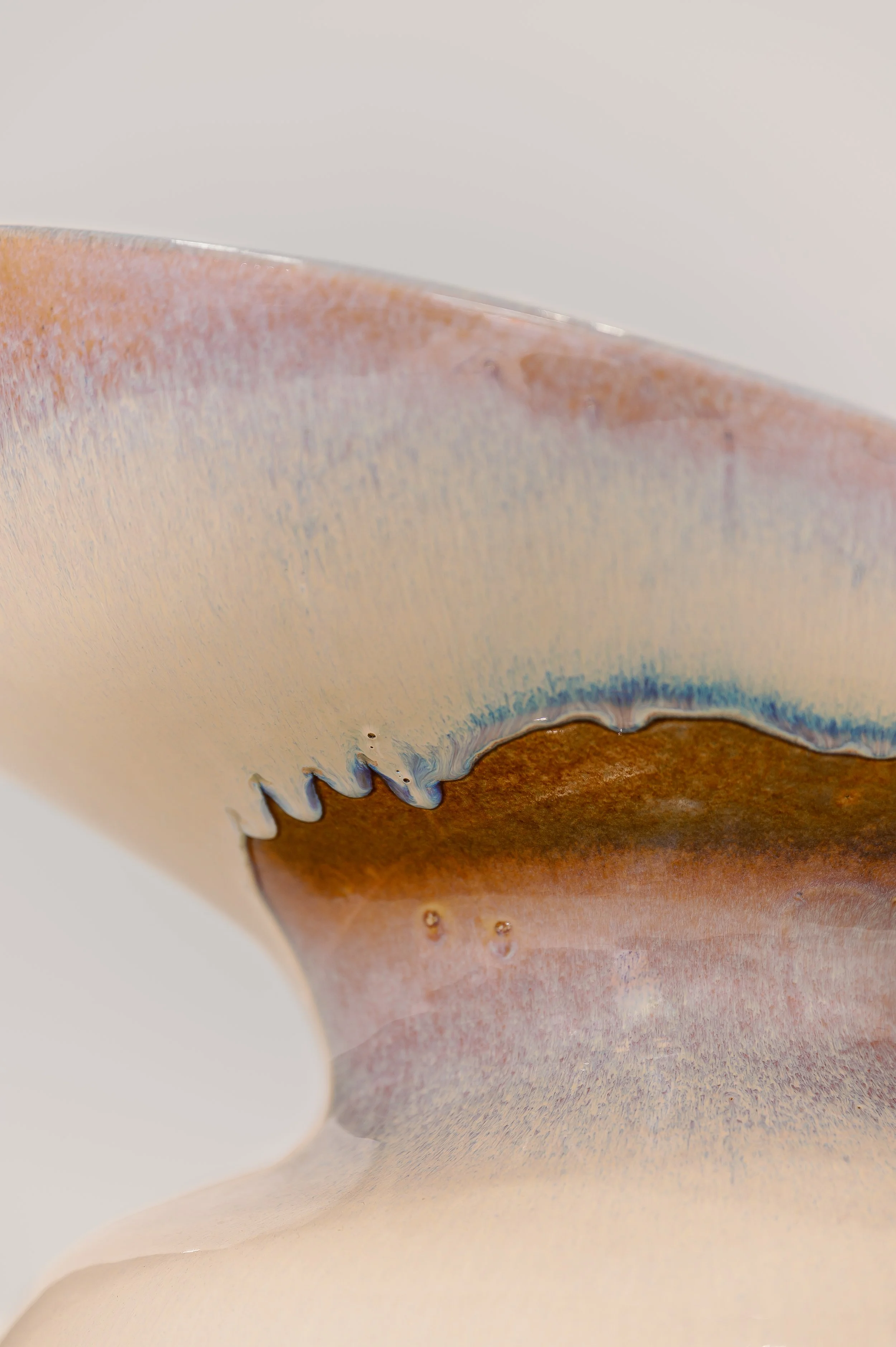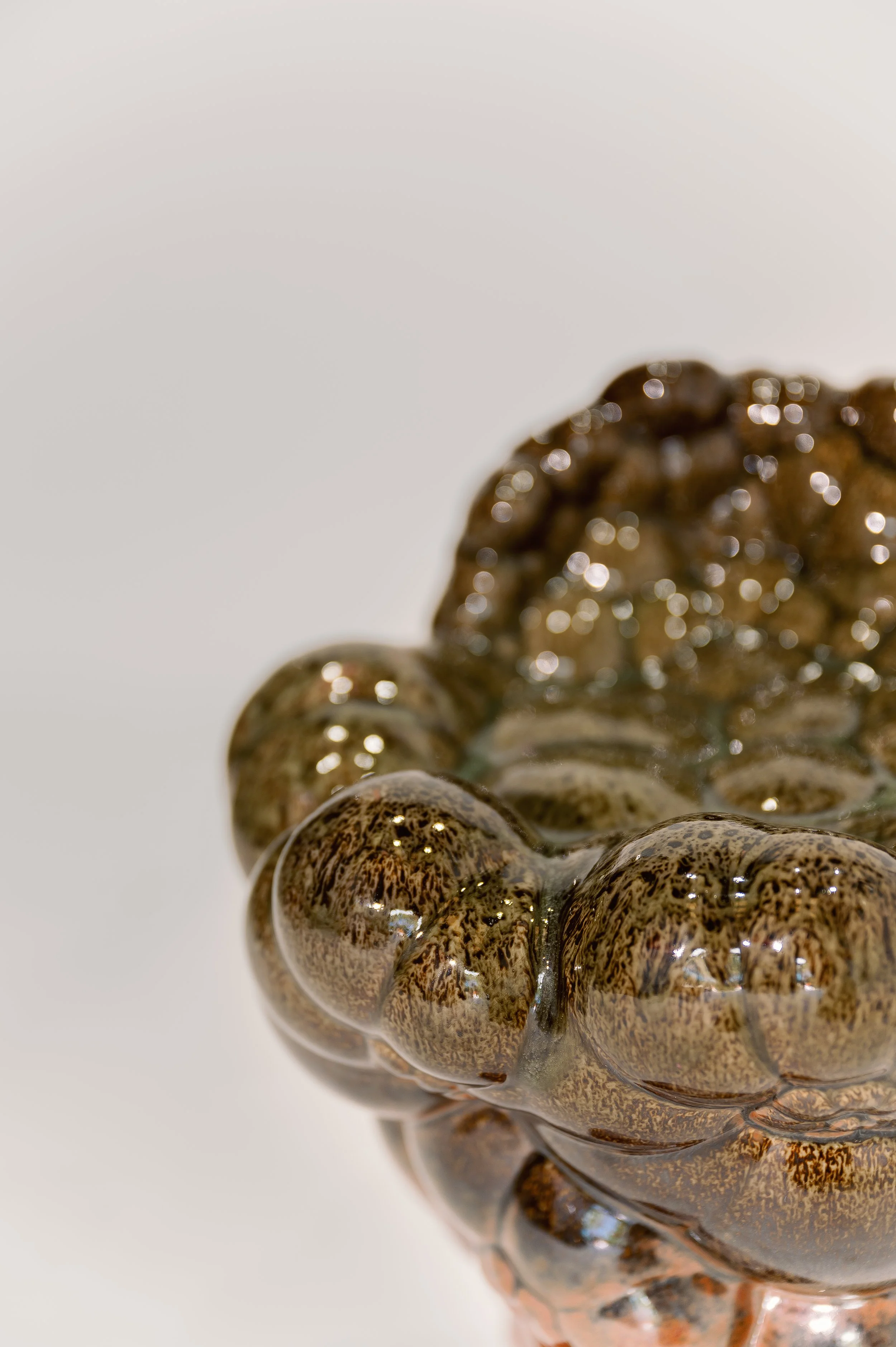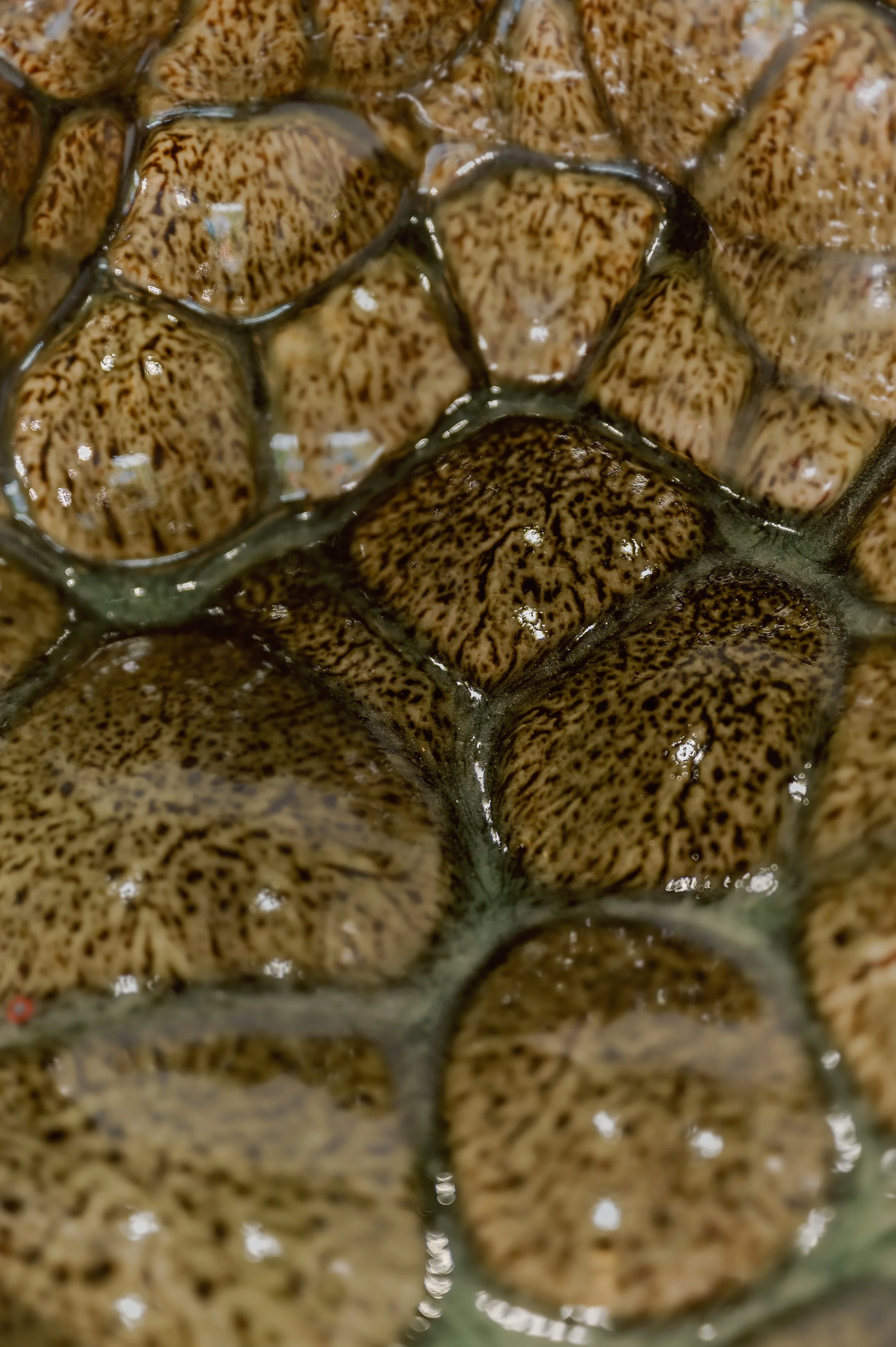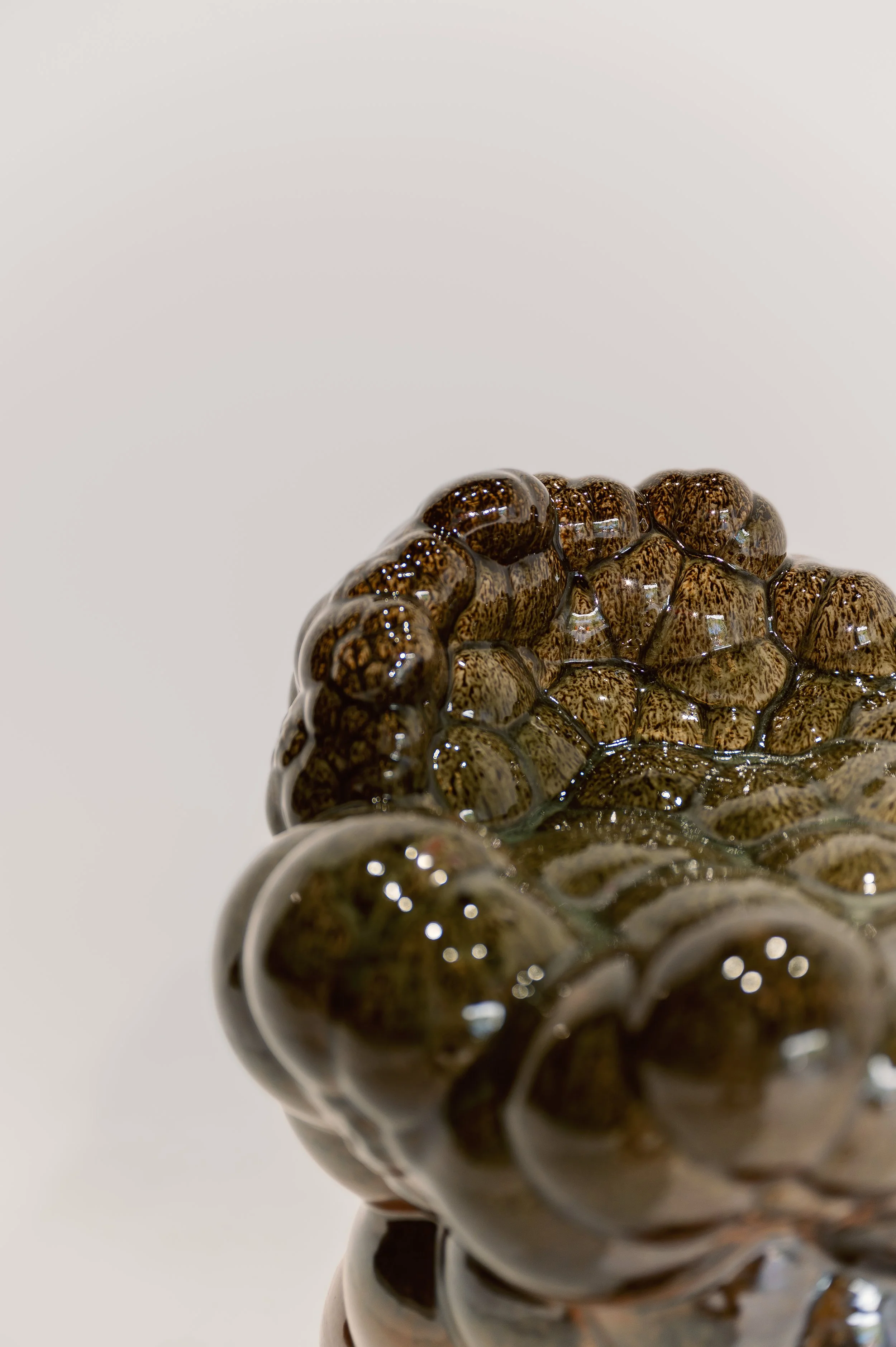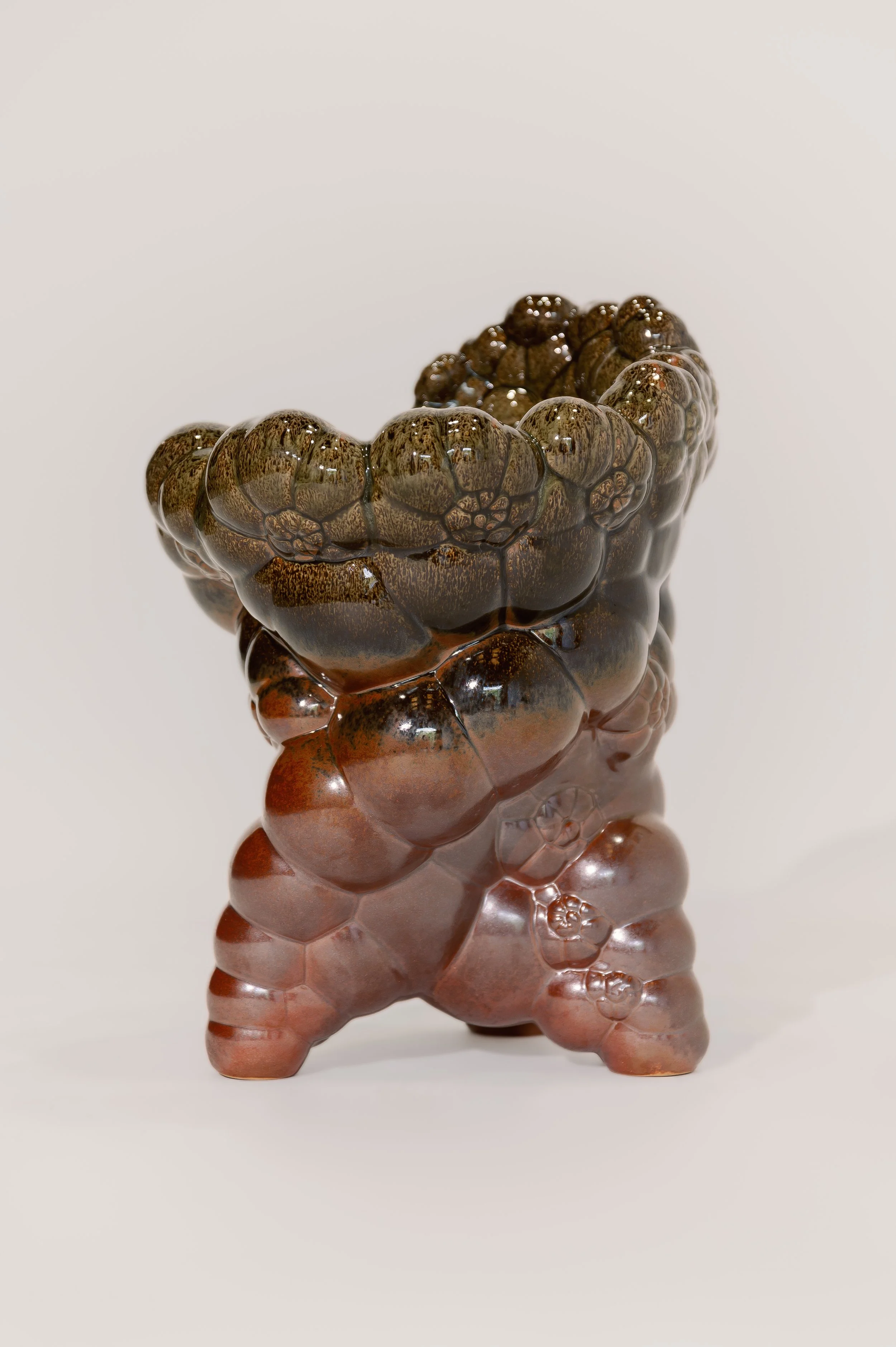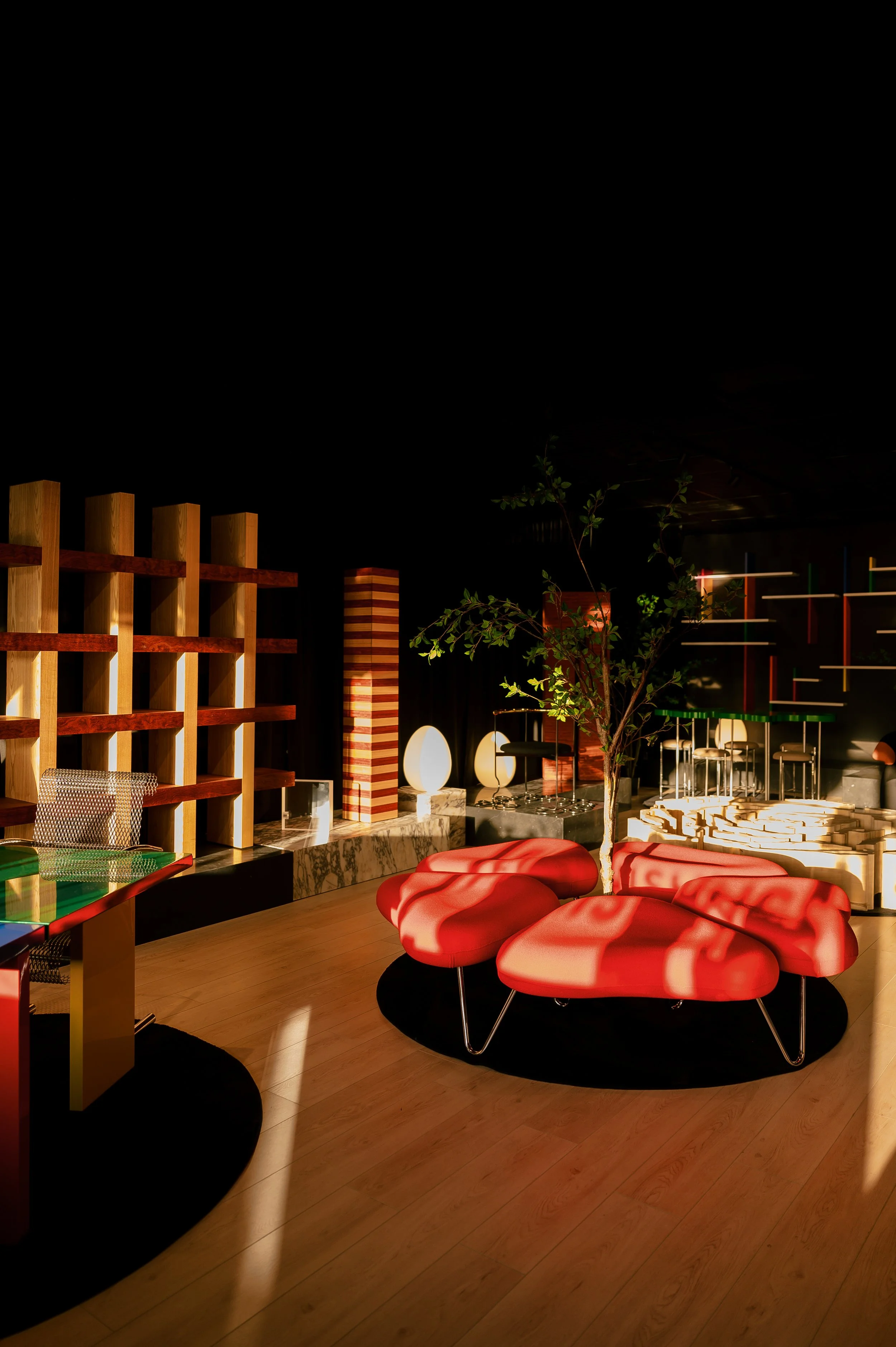
Welcome to our collection... It is ever evolving... ever growing… and available for purchase world wide…
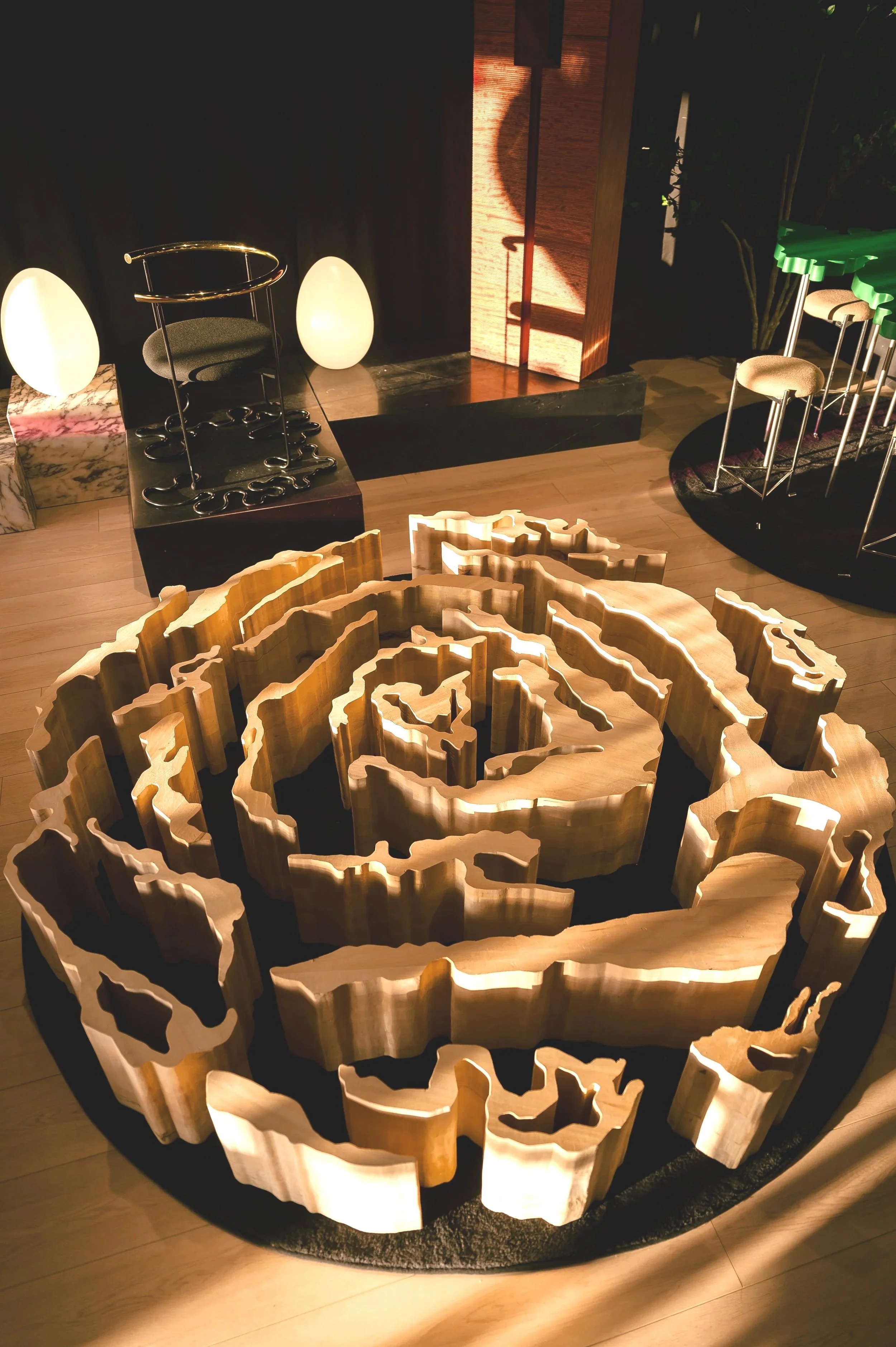
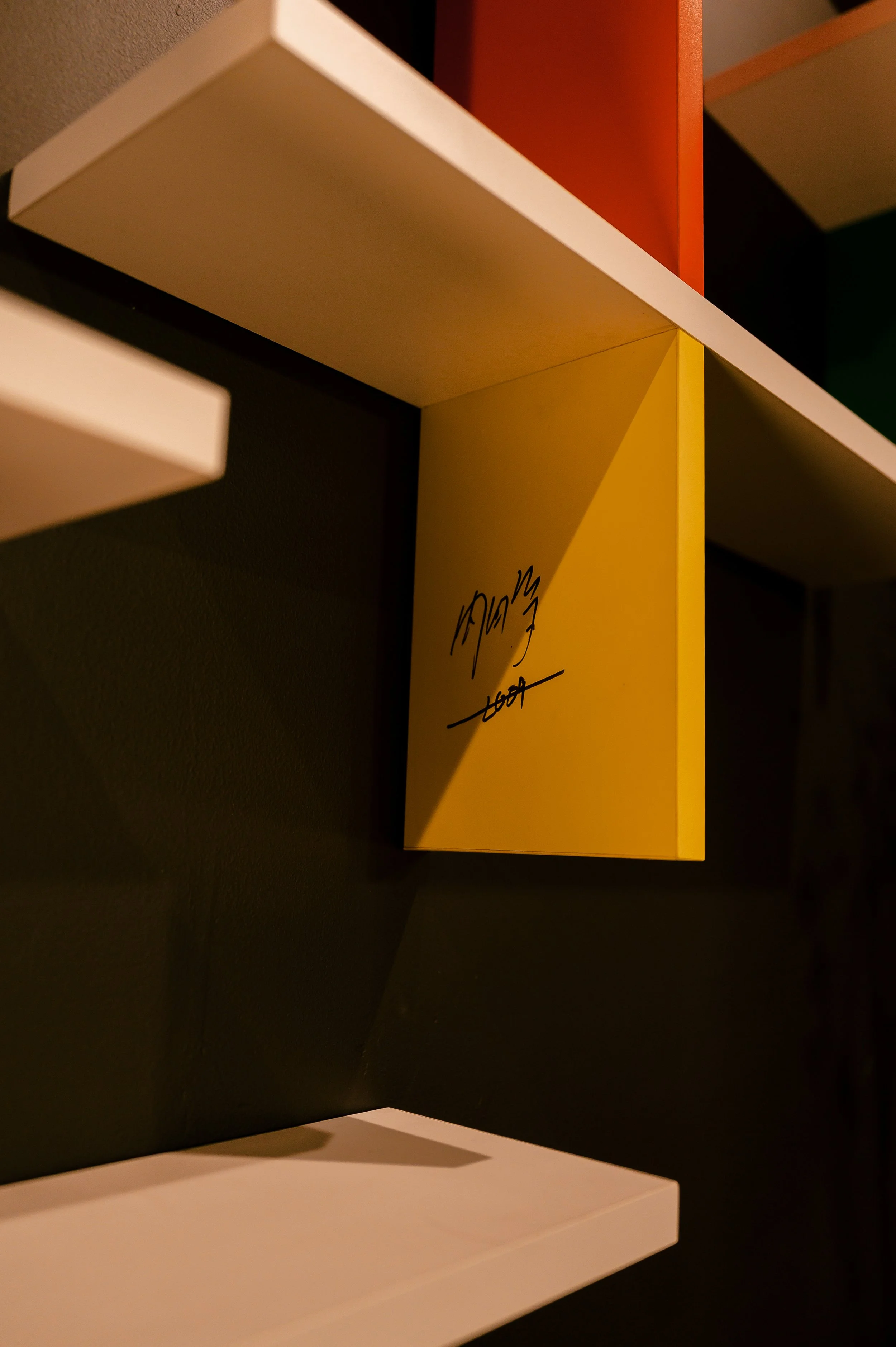
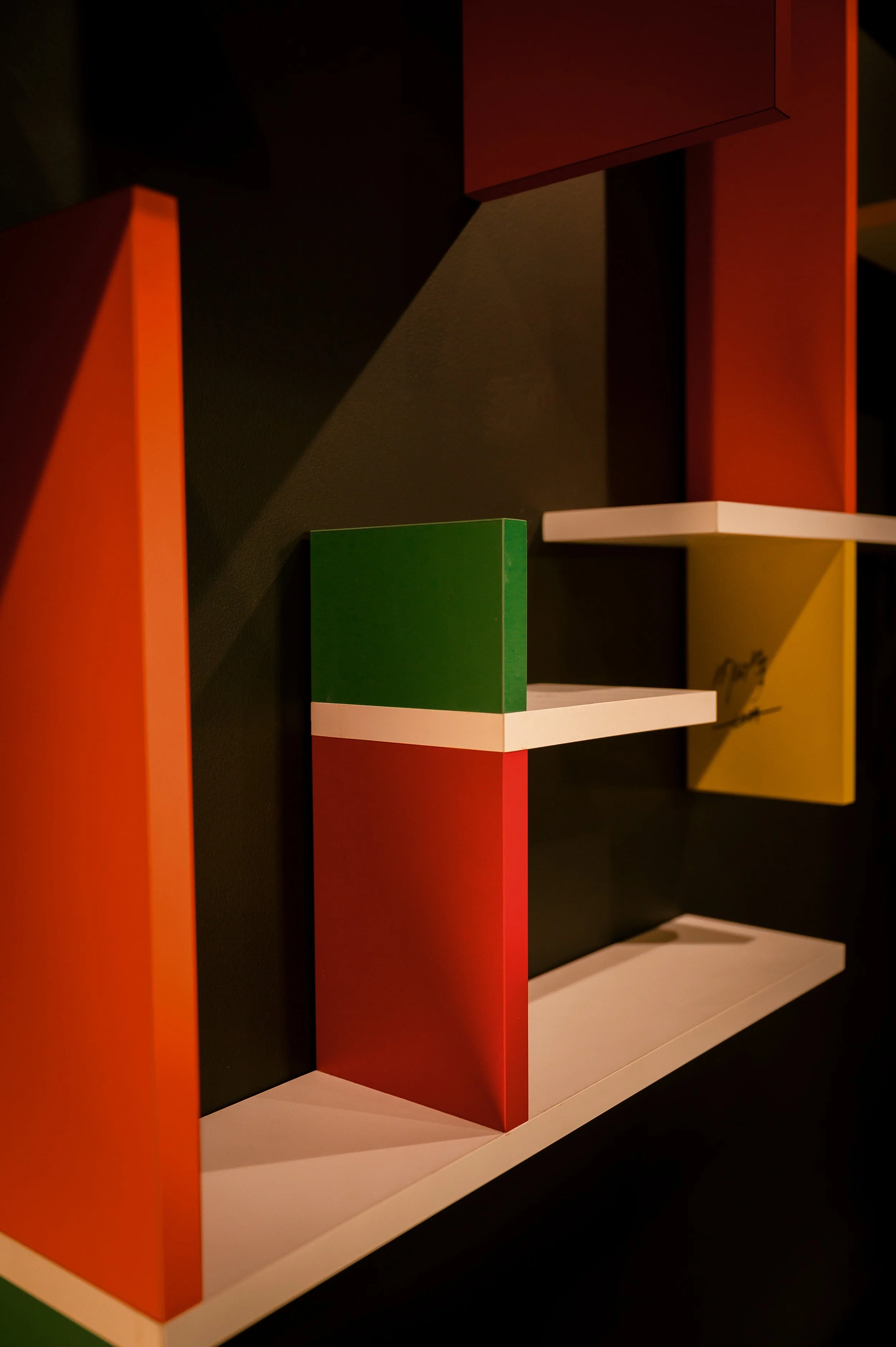
Shigeru Uchida
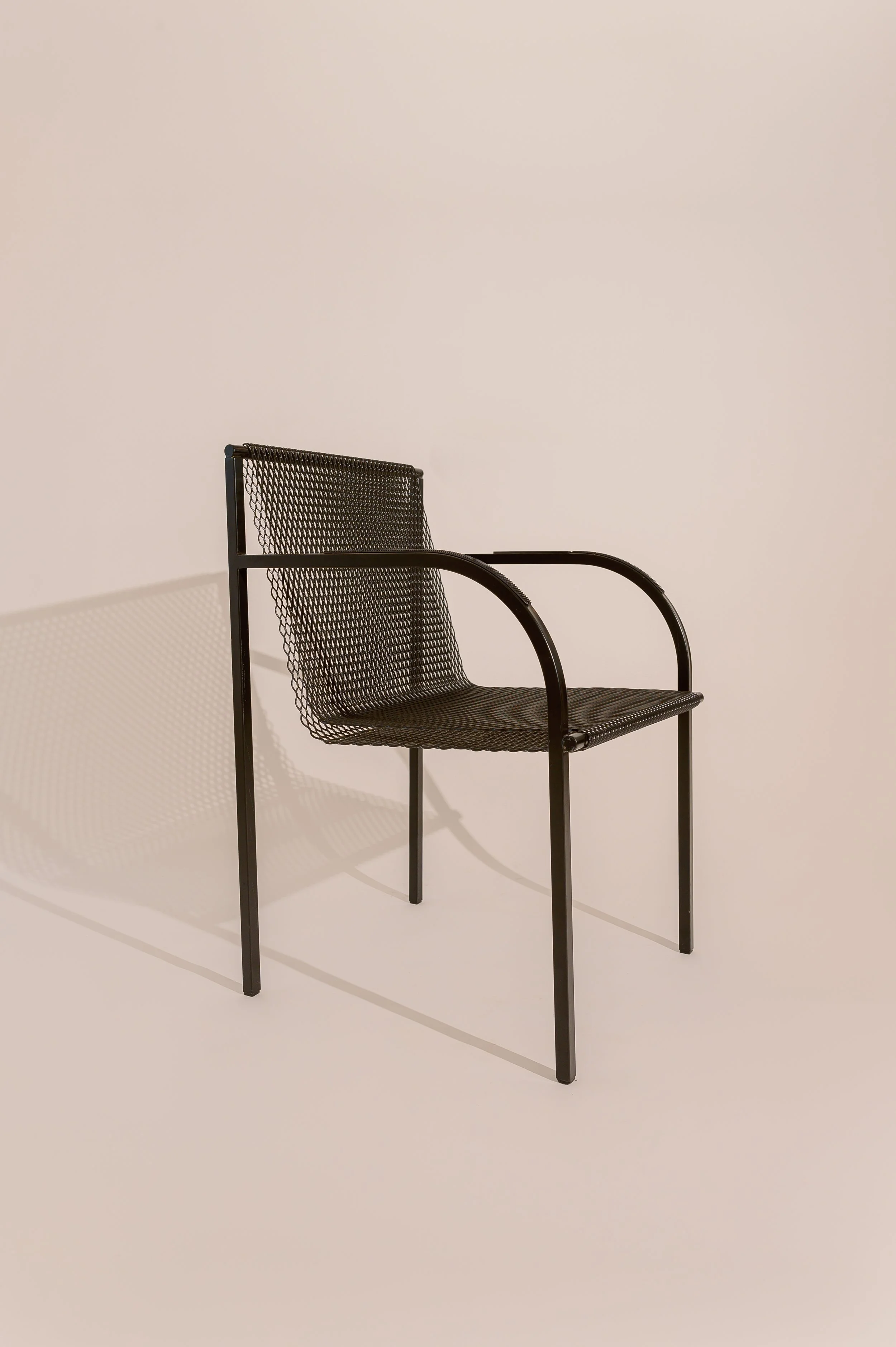
Shigeru Uchida (1943–2016) was a highly influential Japanese interior designer whose work quietly reshaped contemporary spatial design through restraint, intellectual rigor, and deep cultural sensitivity. Rather than seeking visual impact, Uchida focused on atmosphere—using emptiness, proportion, light, and material nuance to create interiors that felt contemplative and timeless.
Strongly informed by traditional Japanese aesthetics such as ma (negative space) and wabi-sabi, Uchida’s projects—ranging from retail and hospitality interiors to exhibitions and product design—balanced modernism with poetic subtlety. He collaborated closely with architects, artists, and manufacturers, including long-term work with Yamagiwa lighting, helping define a refined, human-centered approach to modern interiors in Japan.
Uchida was also a respected educator and thinker, emphasizing design as a cultural and philosophical act rather than a stylistic one. His legacy lies not in signature forms, but in a disciplined way of seeing—where silence, clarity, and intention shape how people experience space.
Inquire for pricing info@pdagallery.com
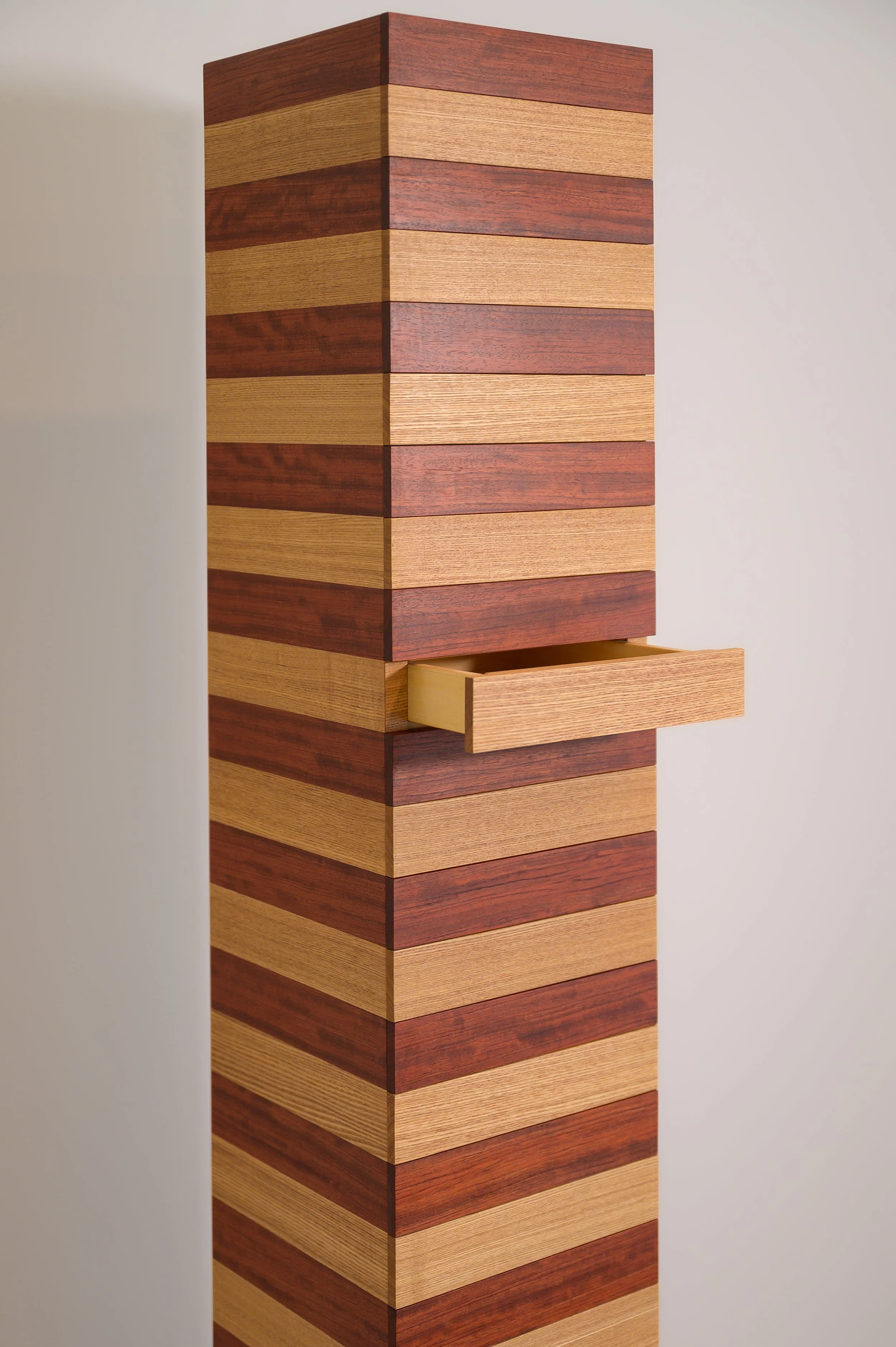
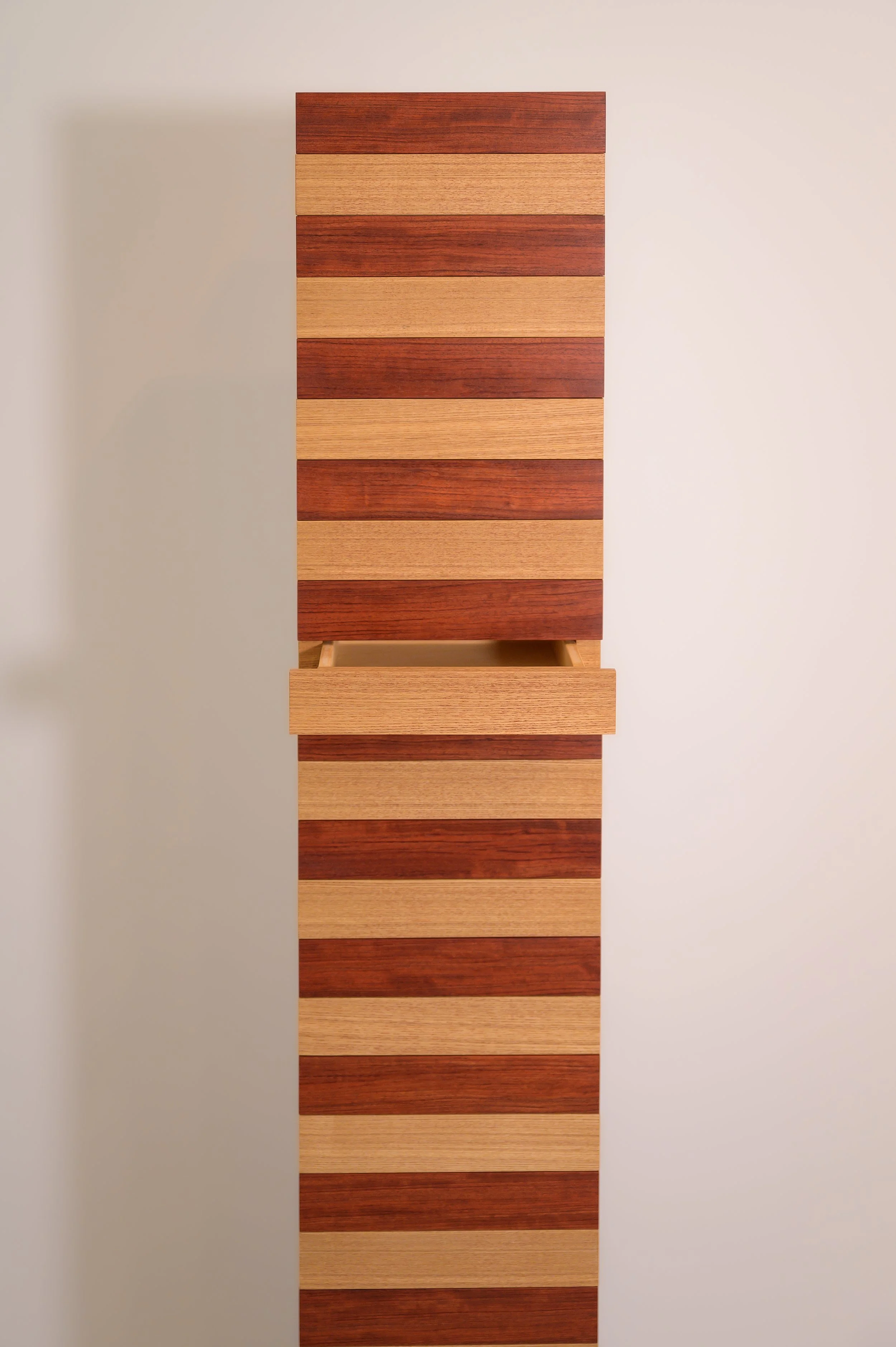
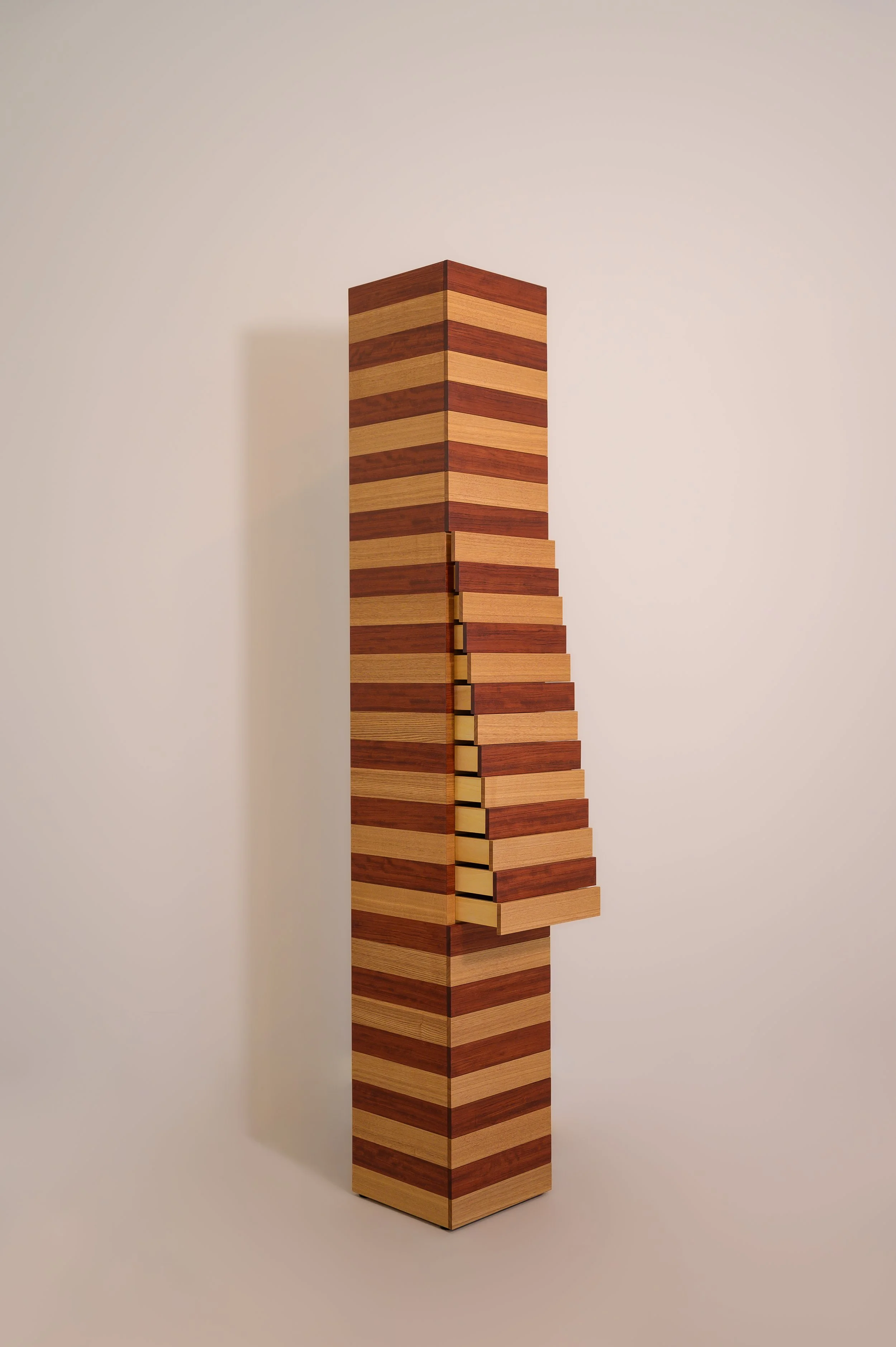
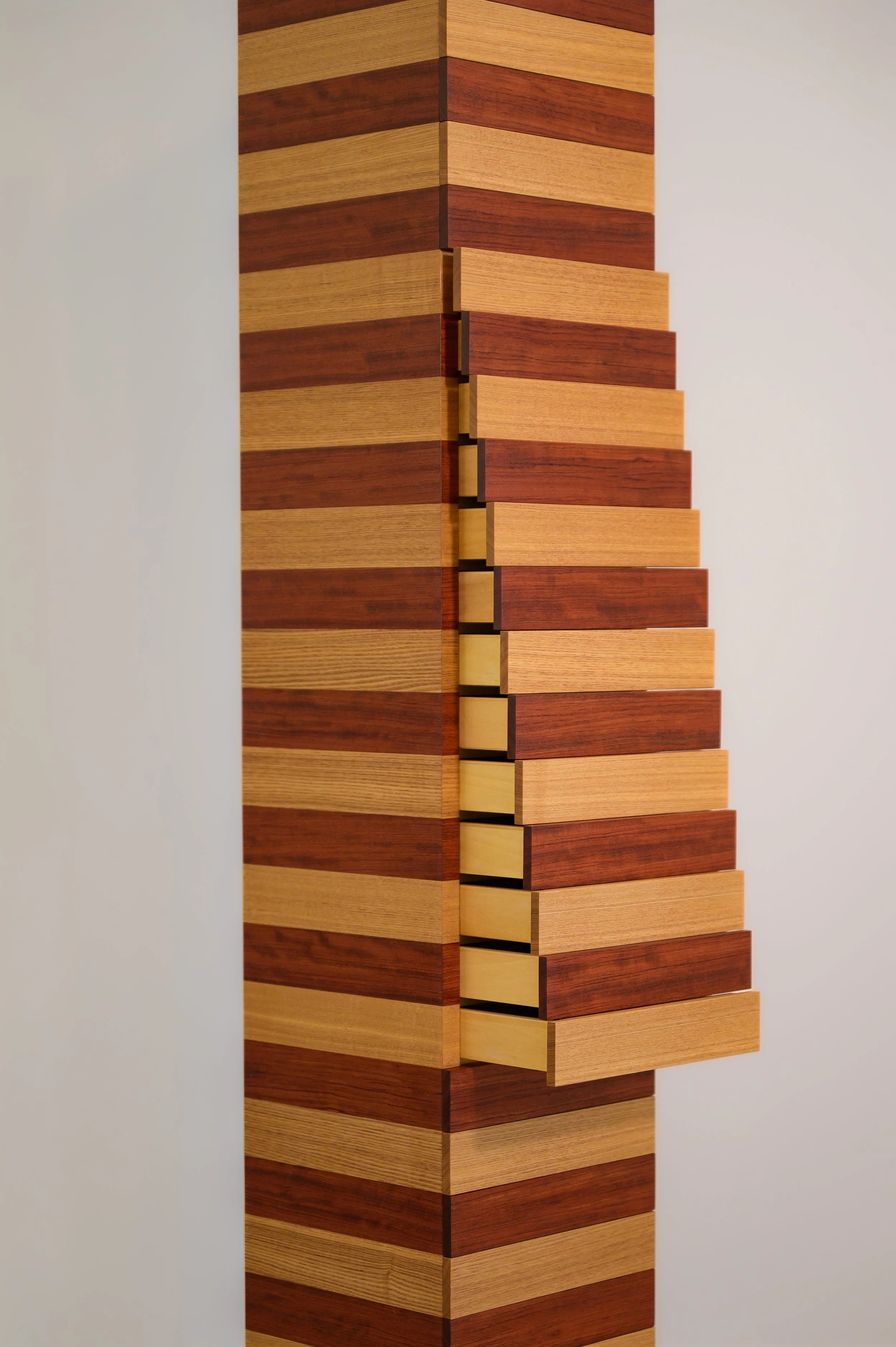
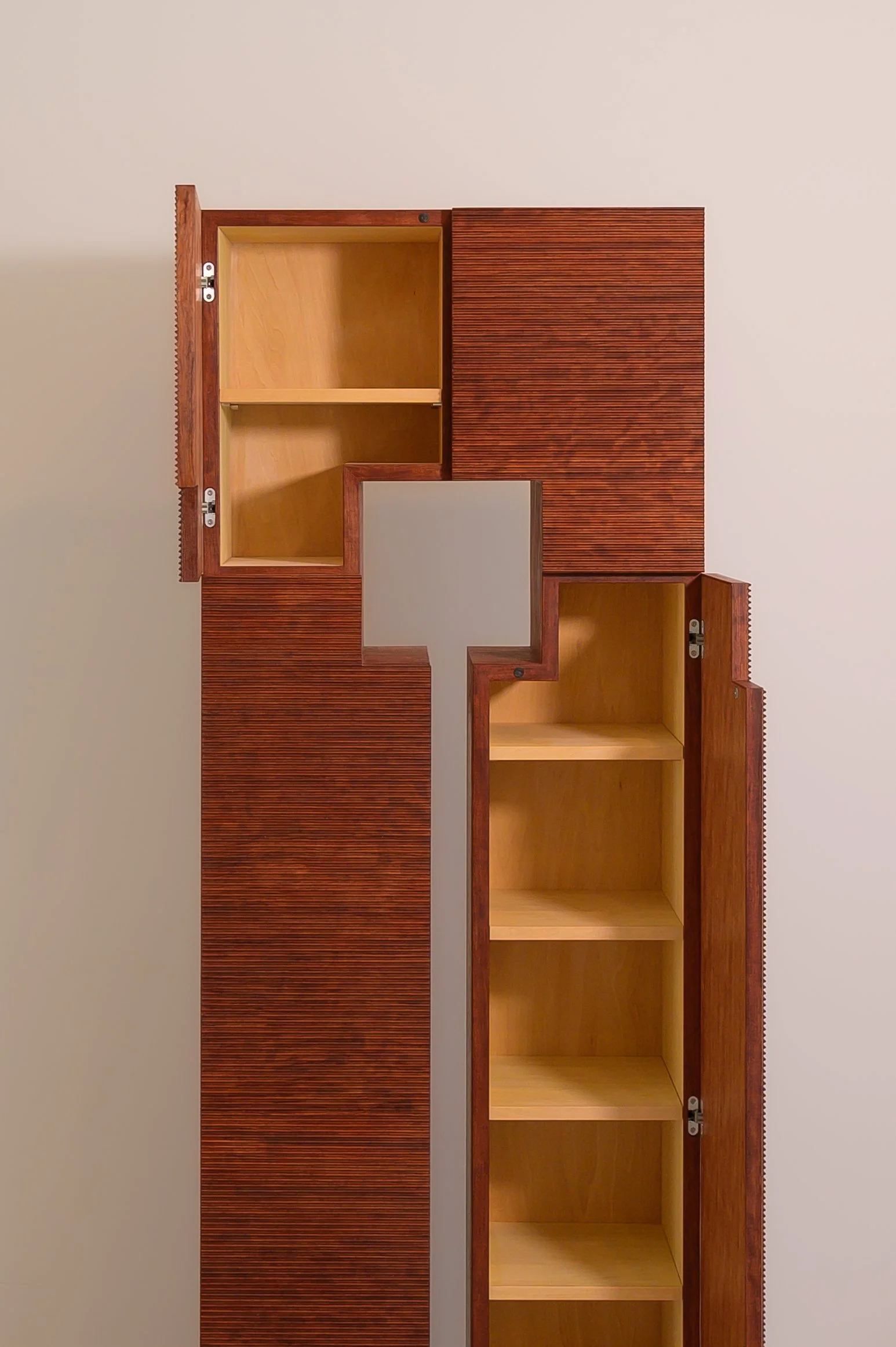
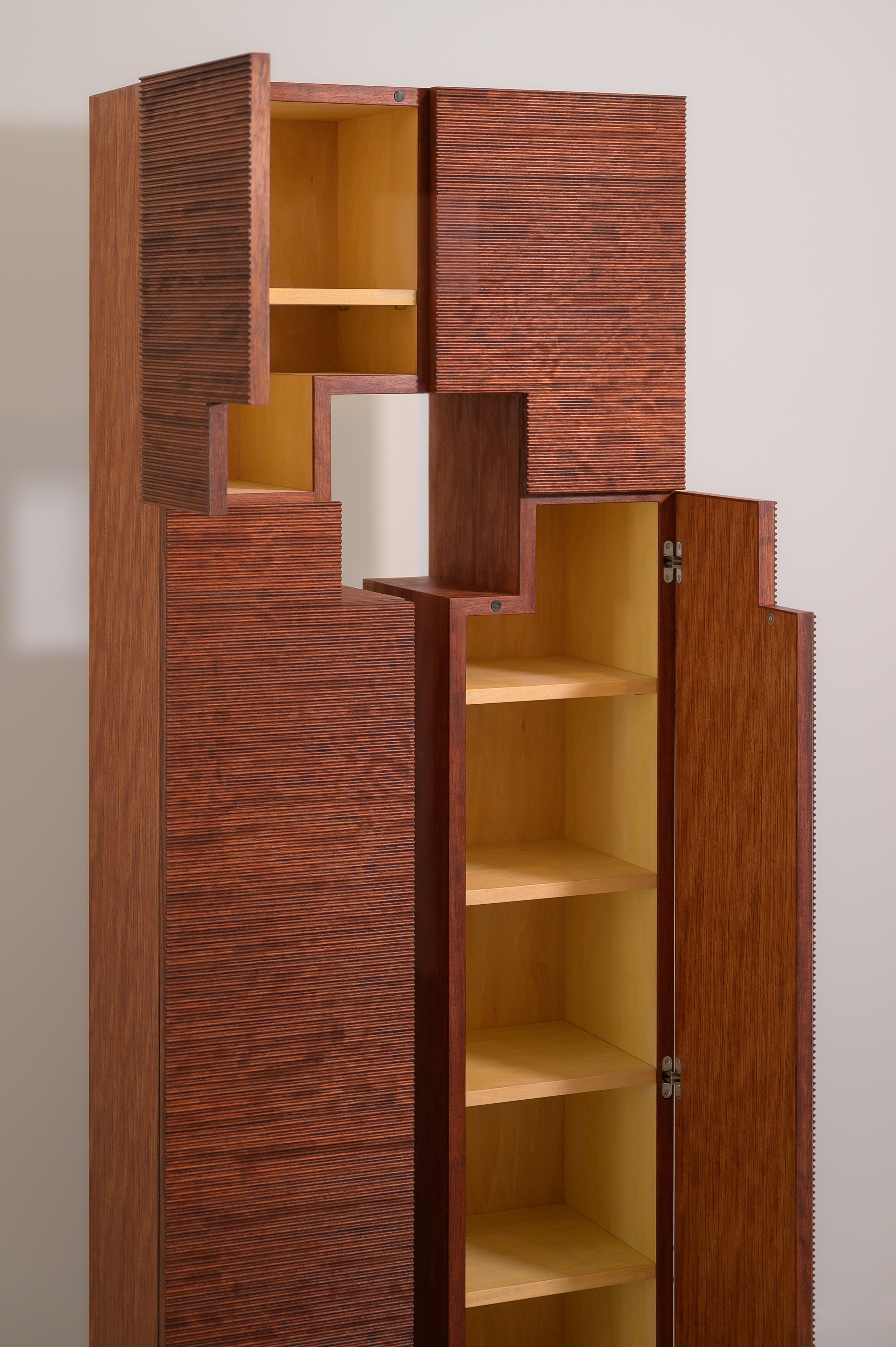
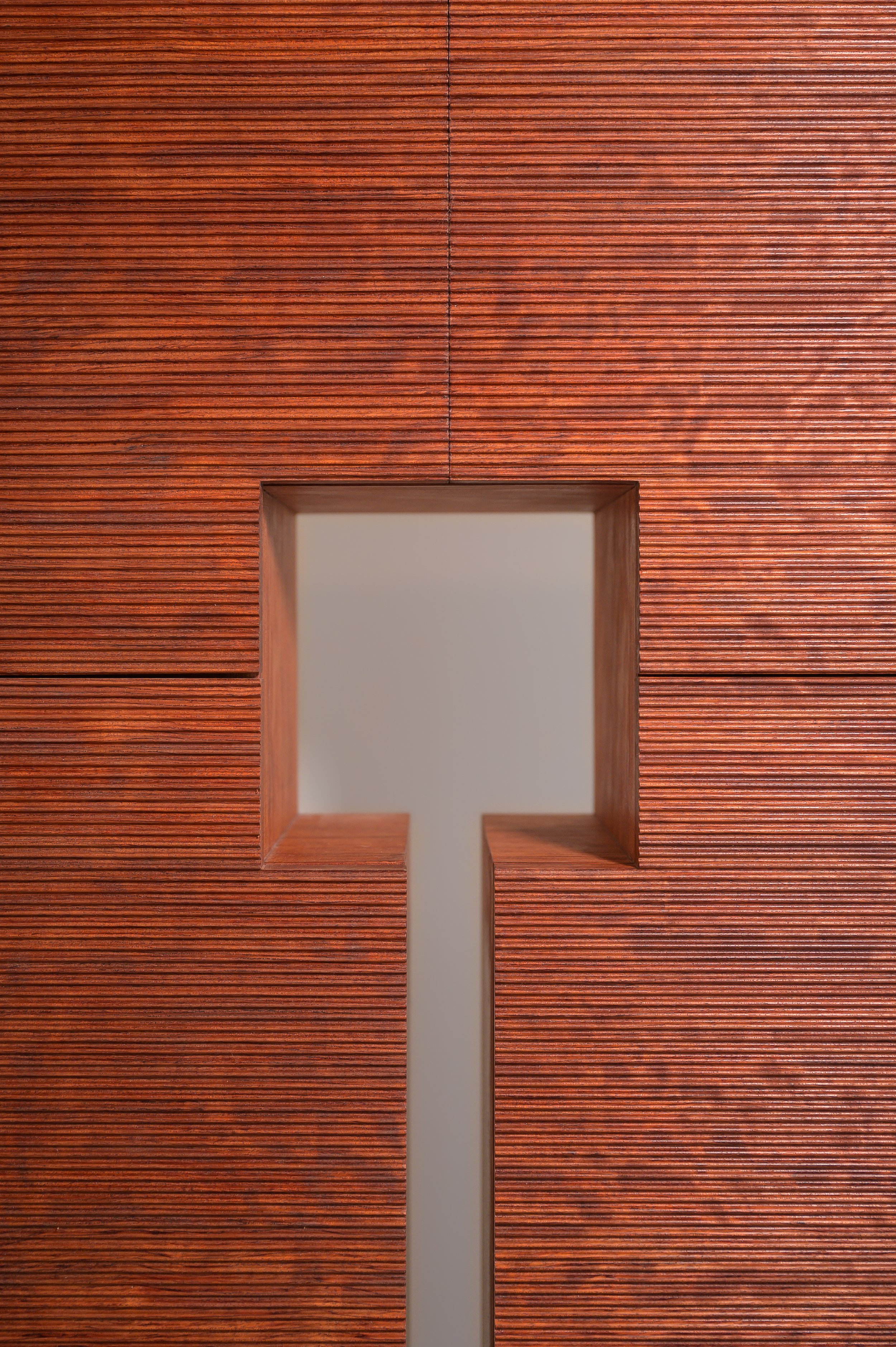
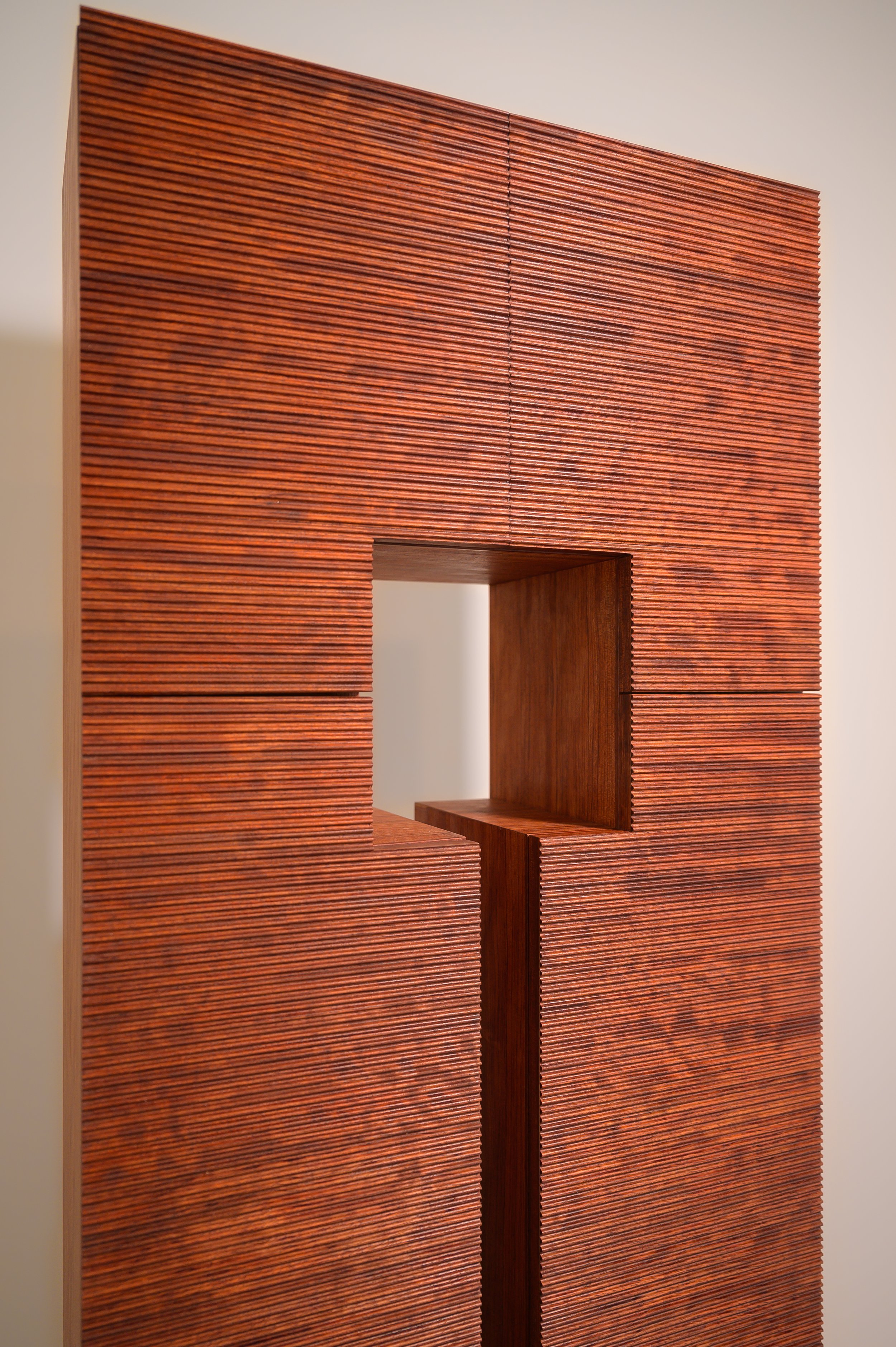
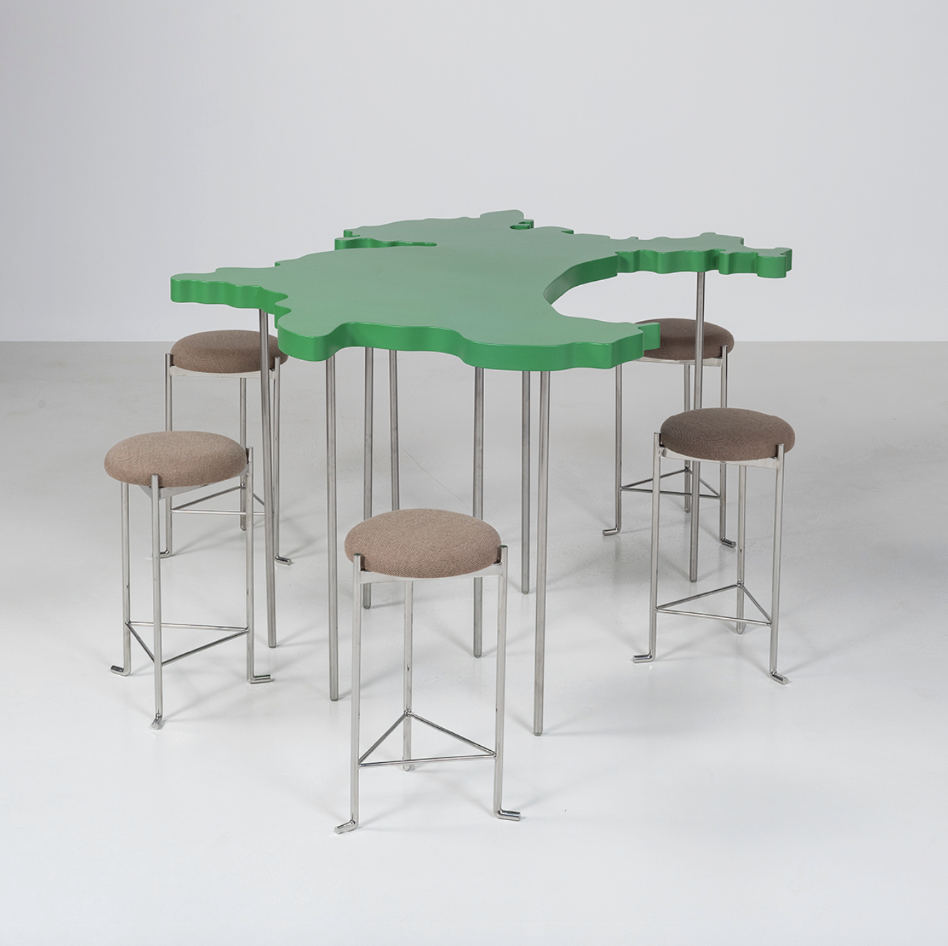
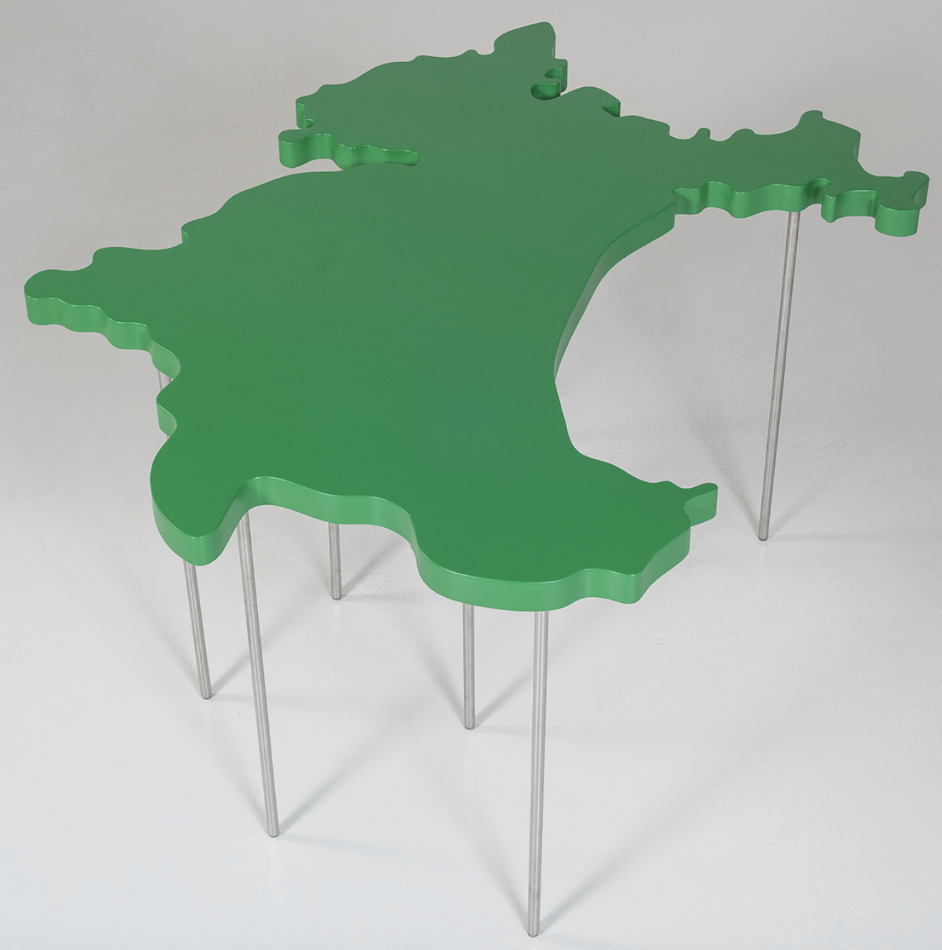
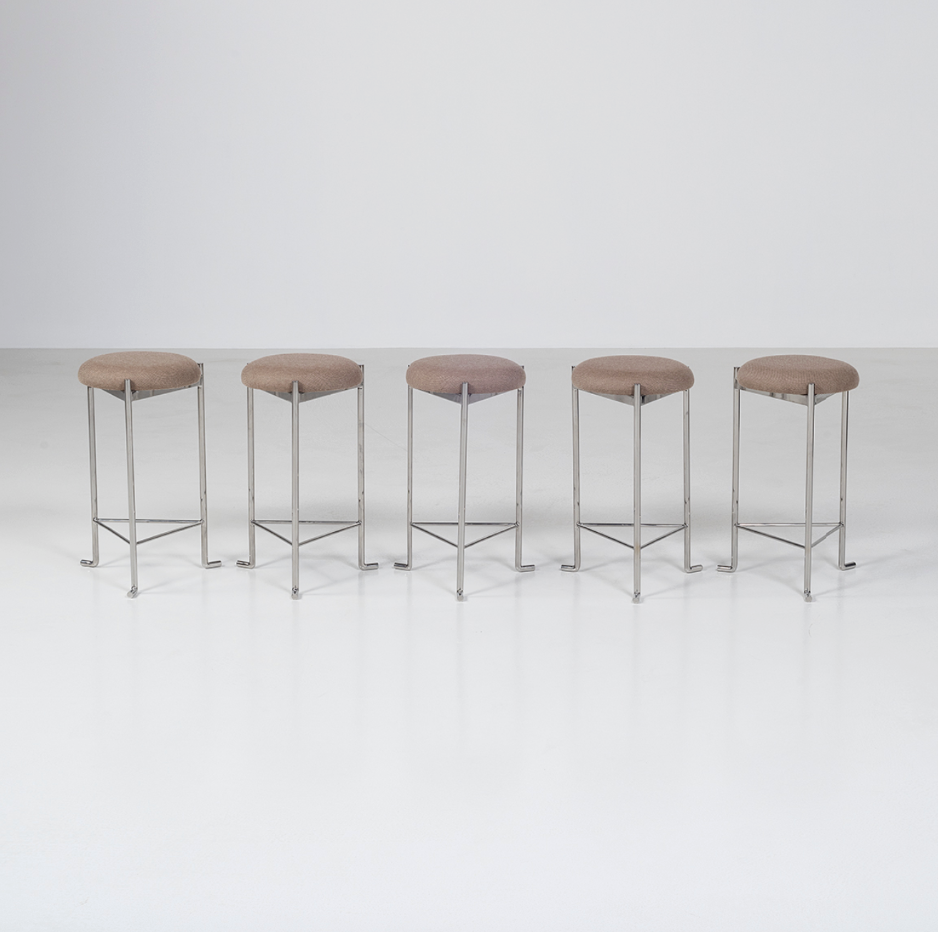
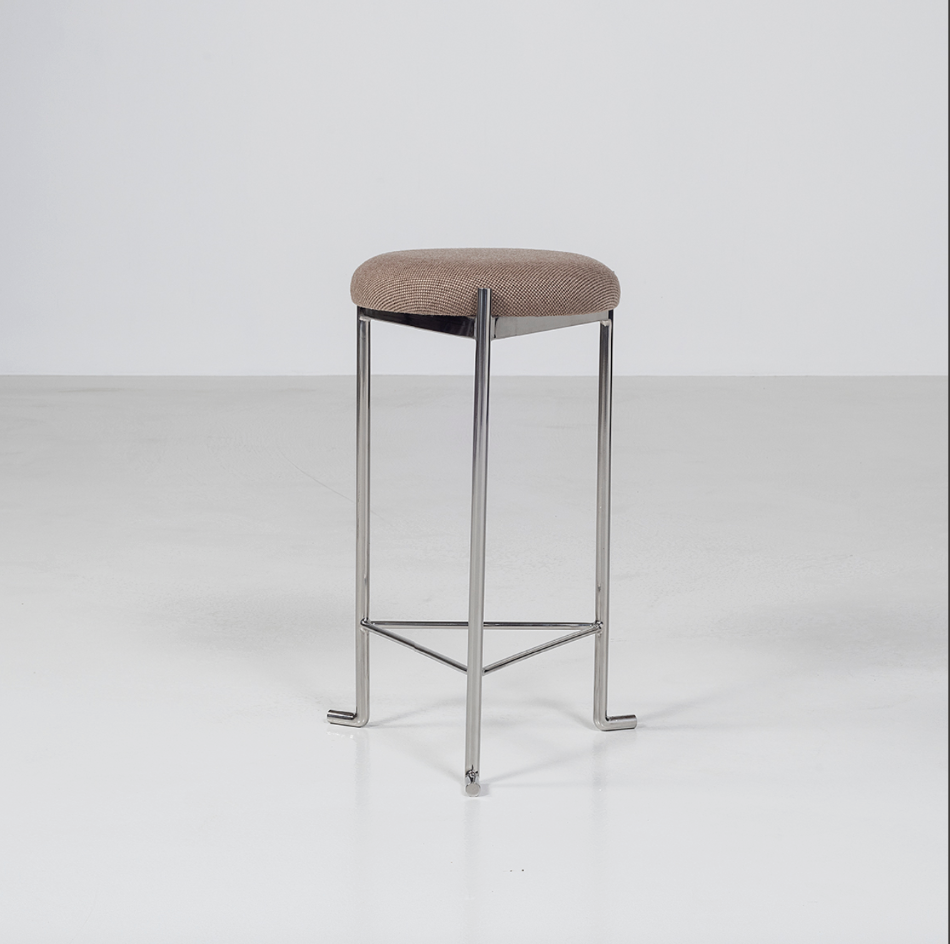
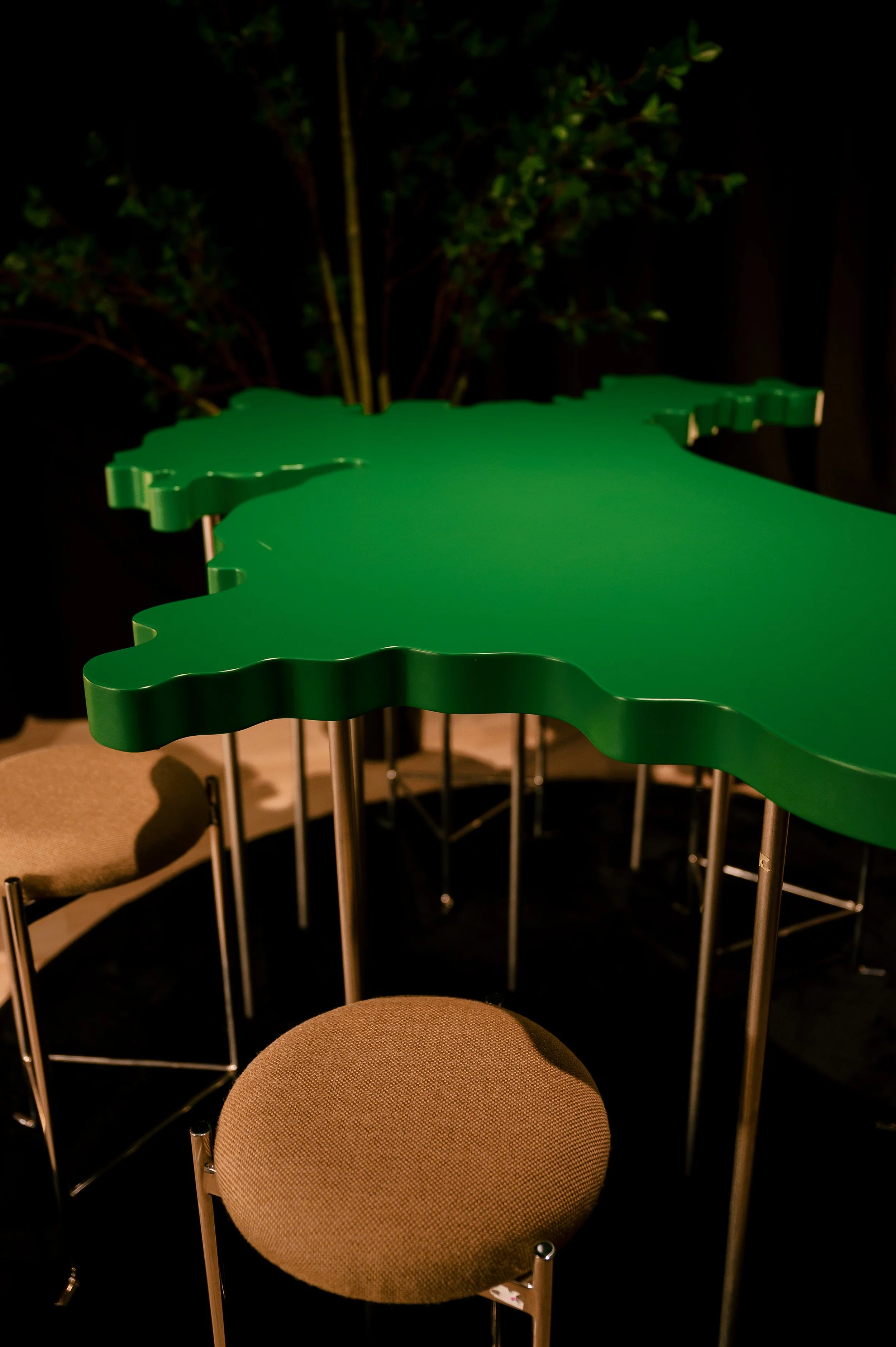
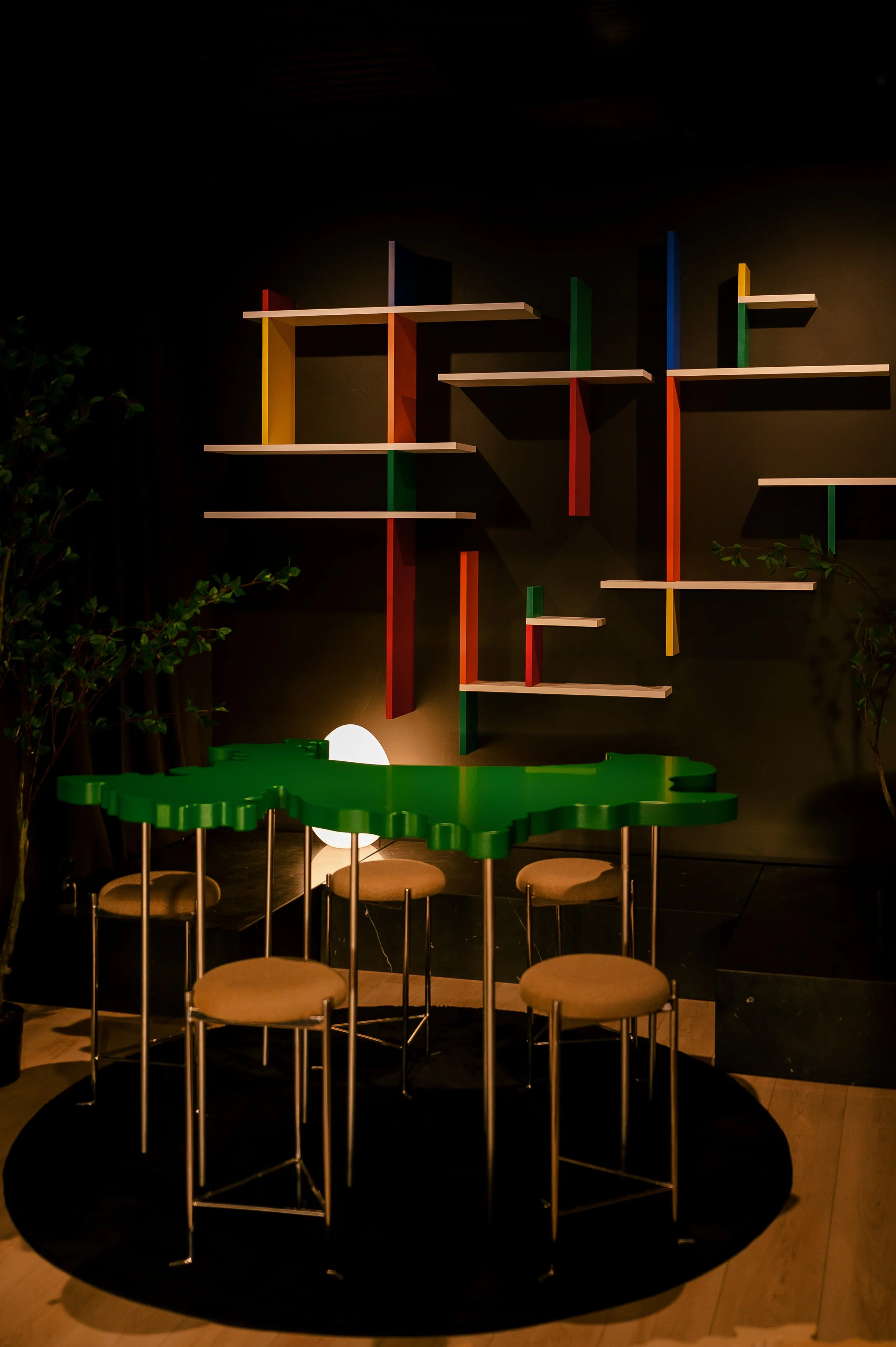
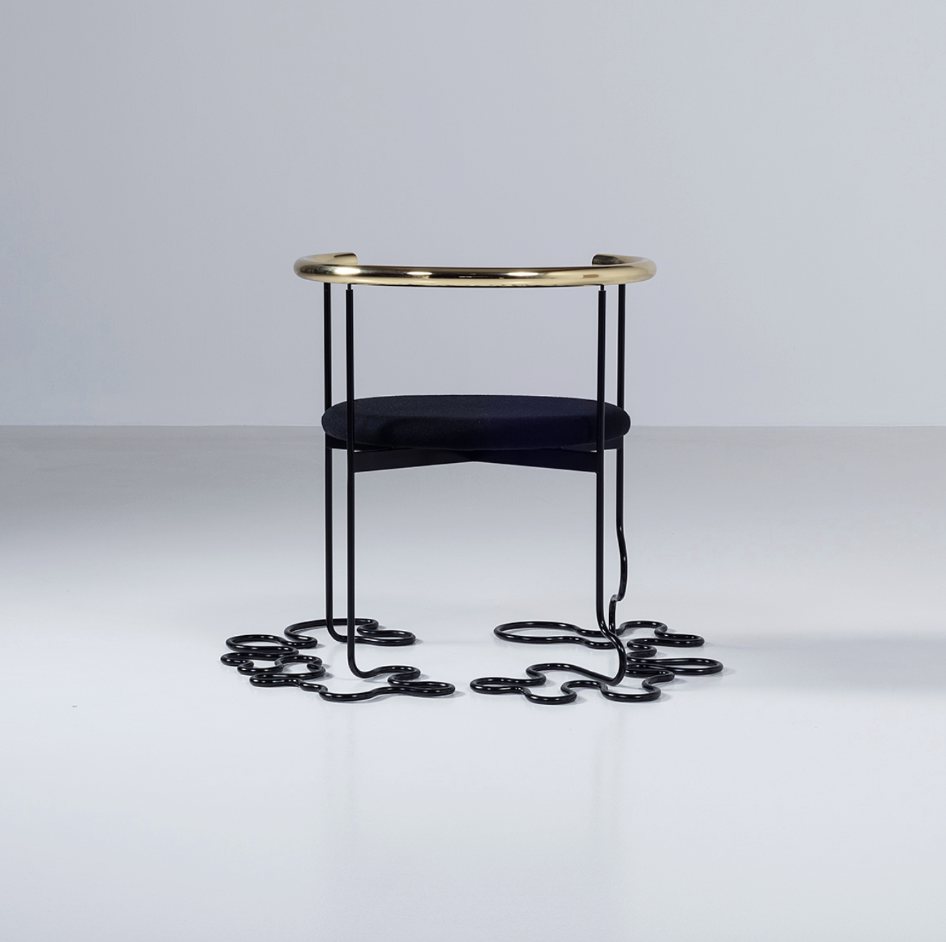
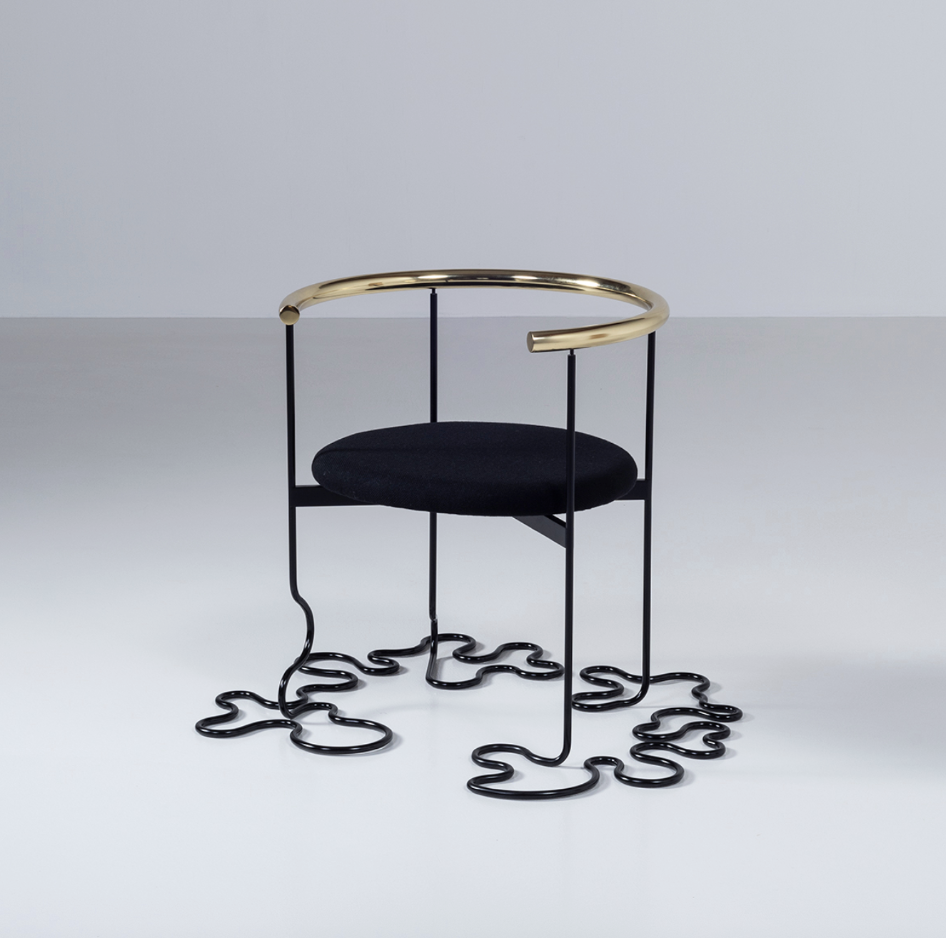
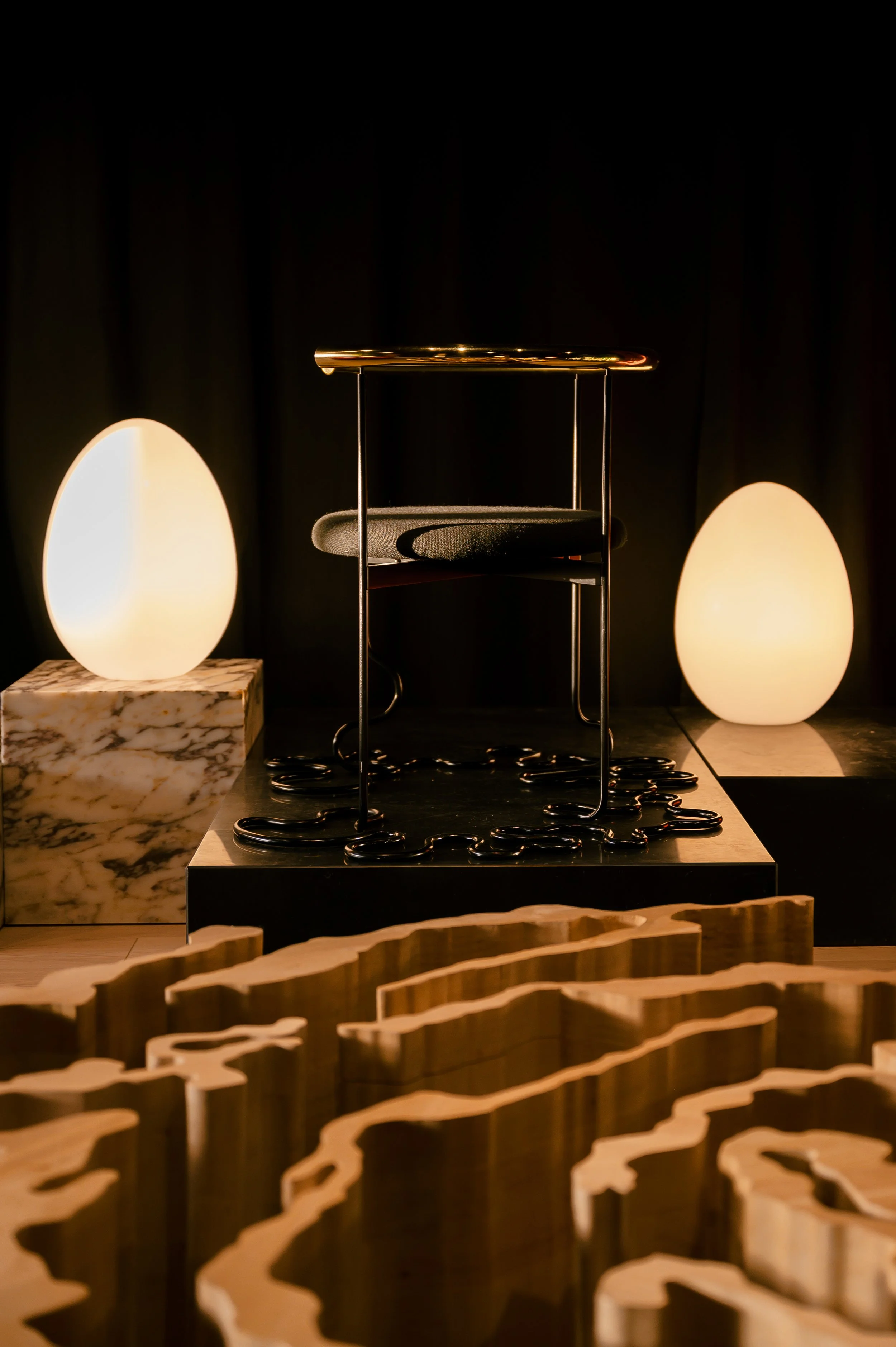
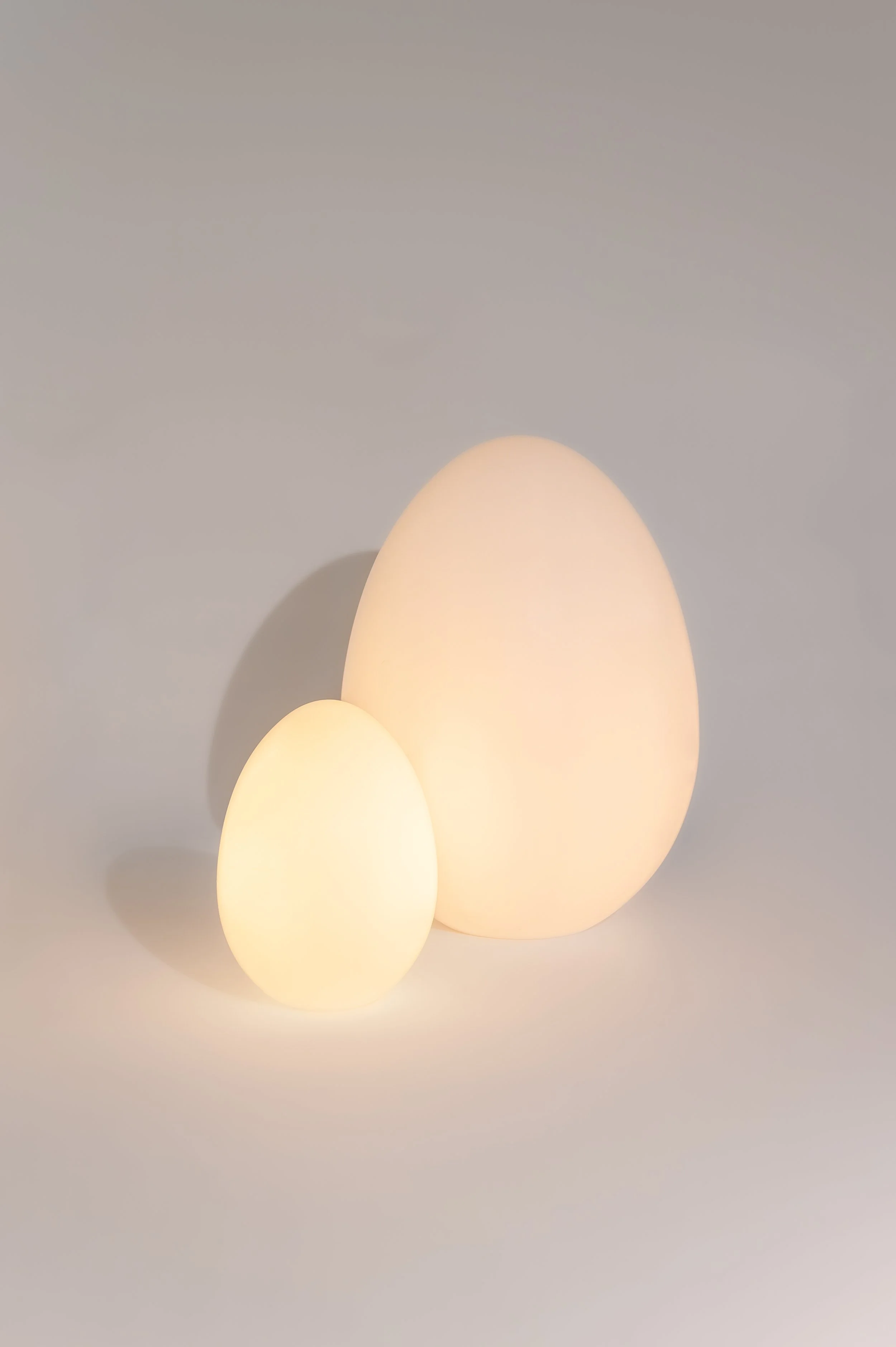
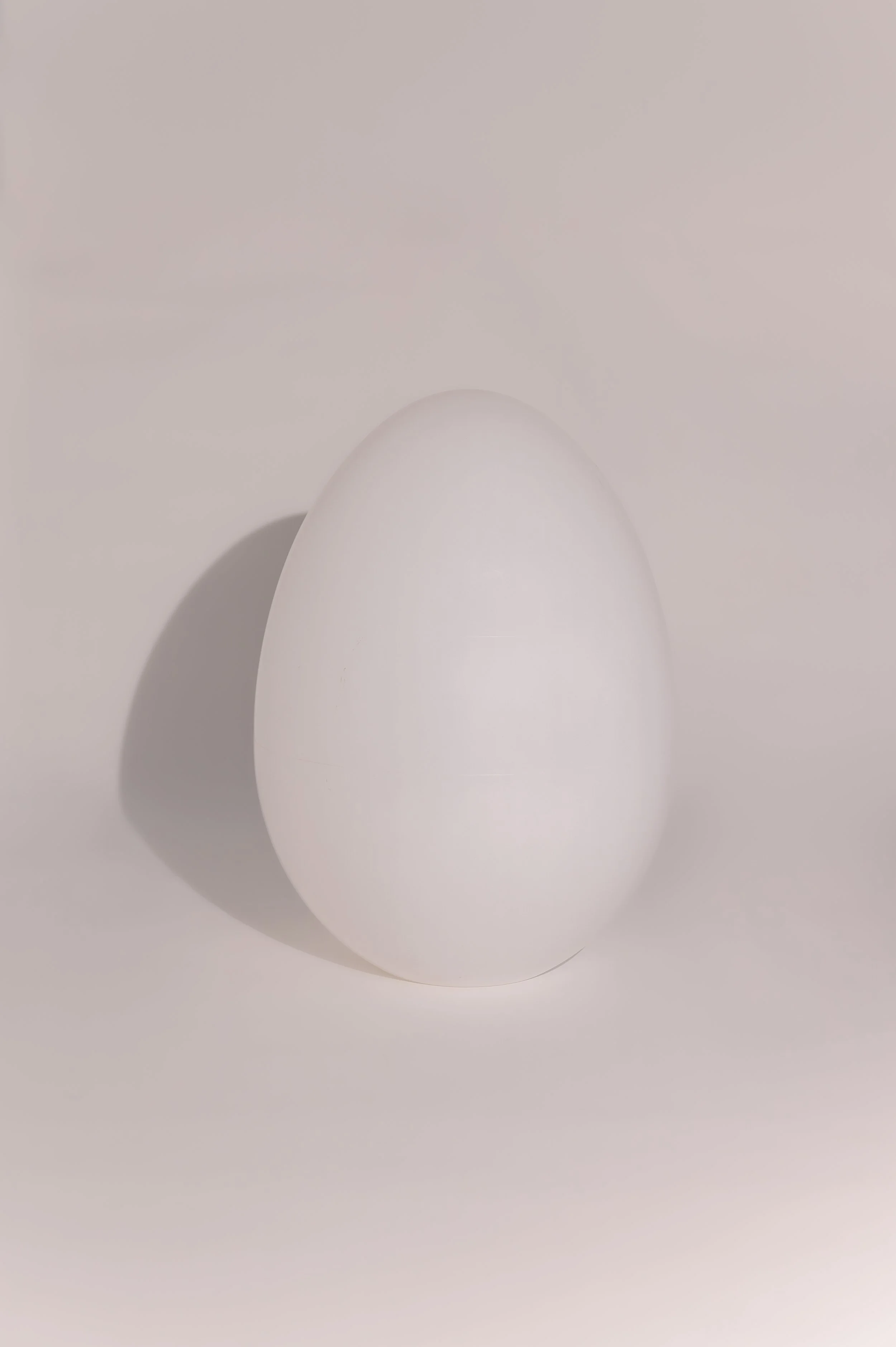
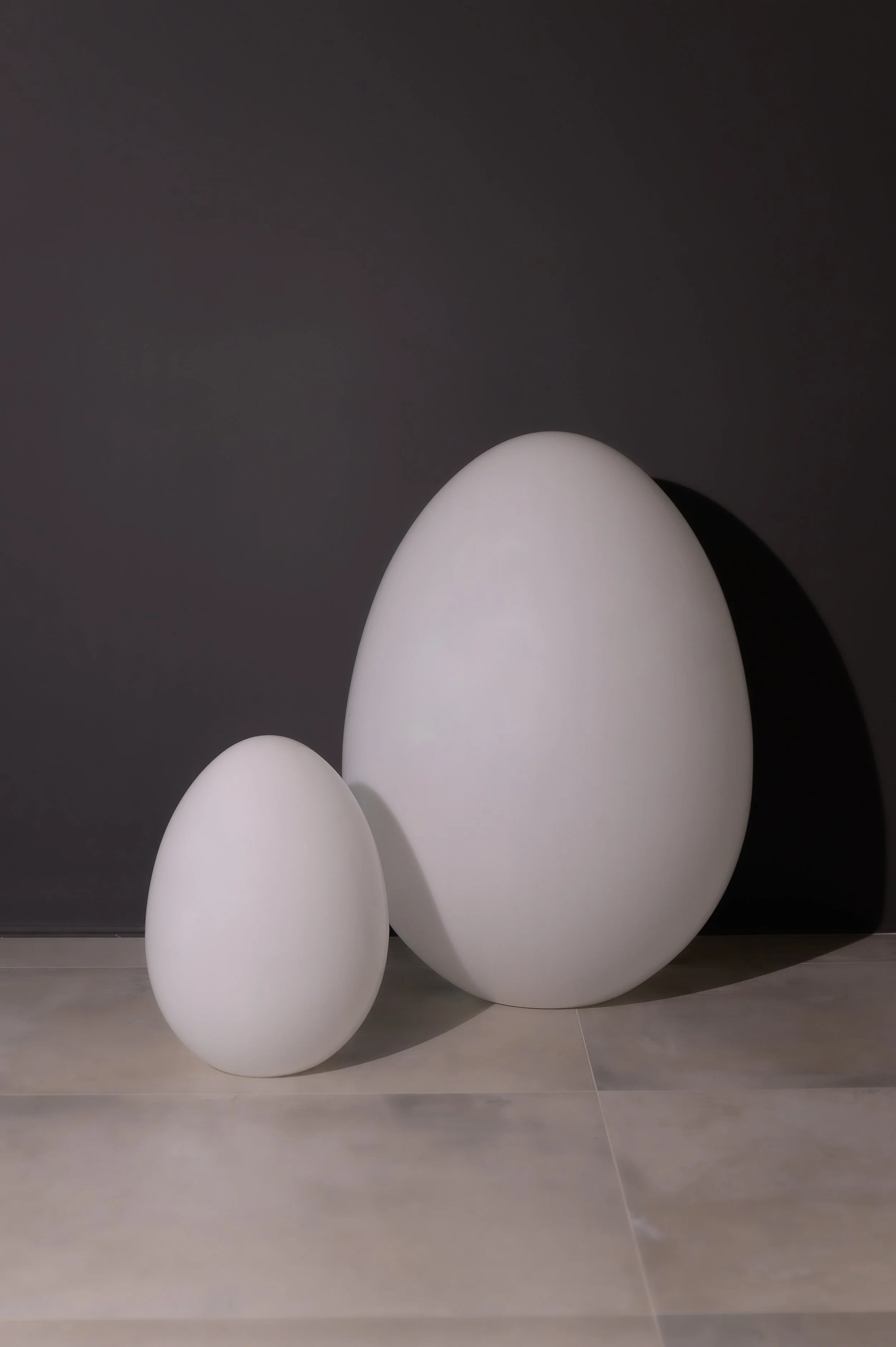
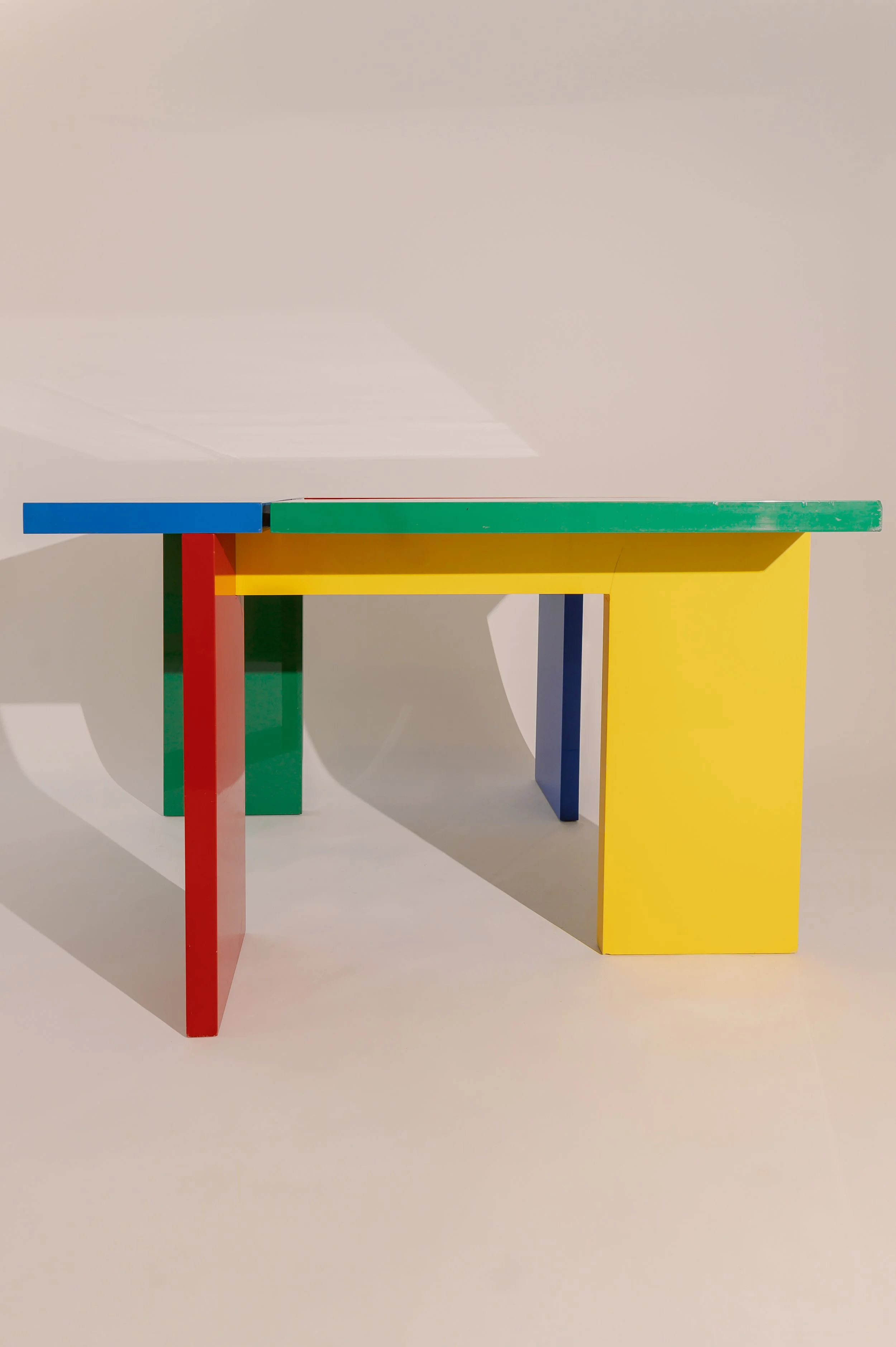
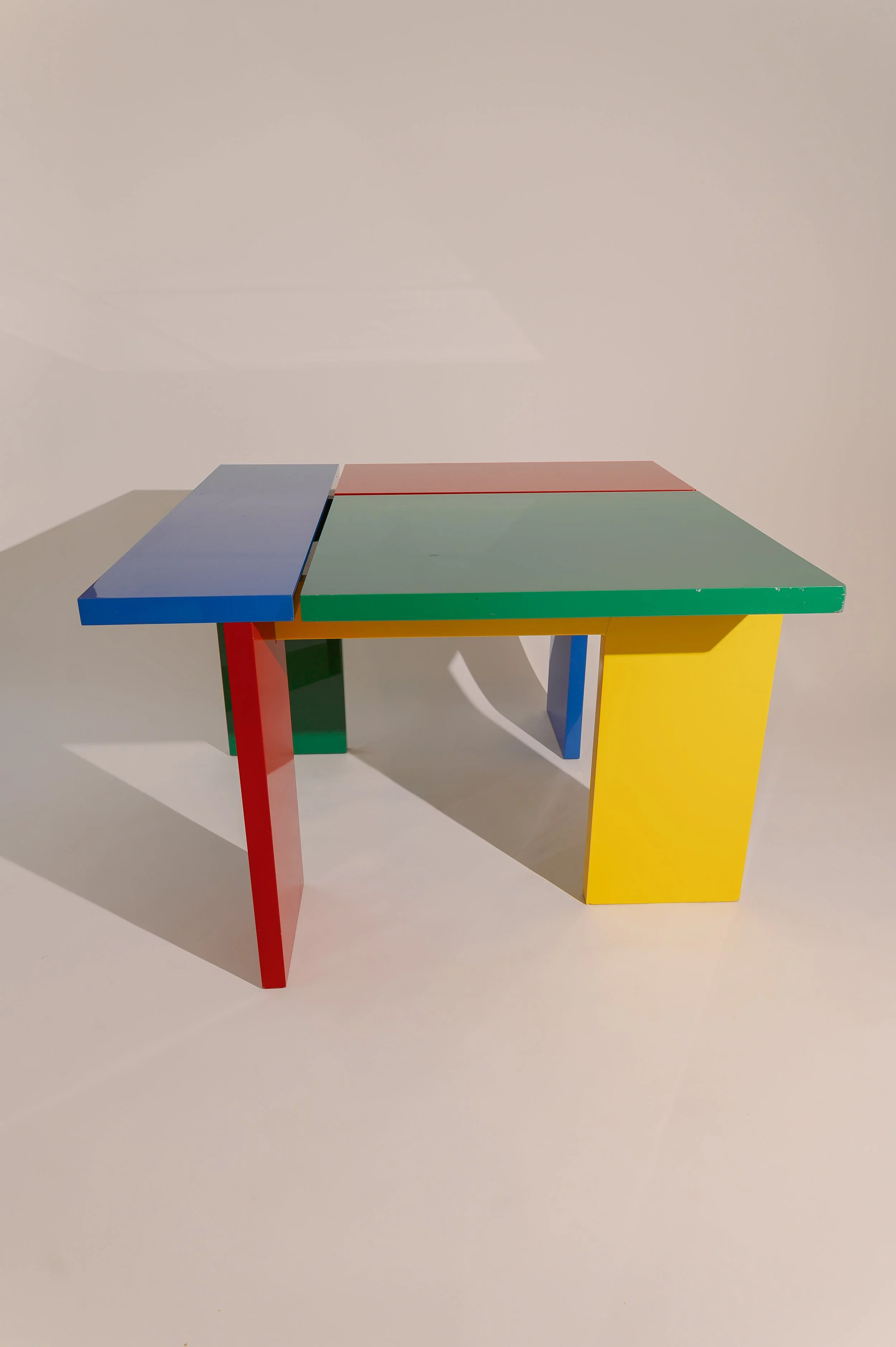
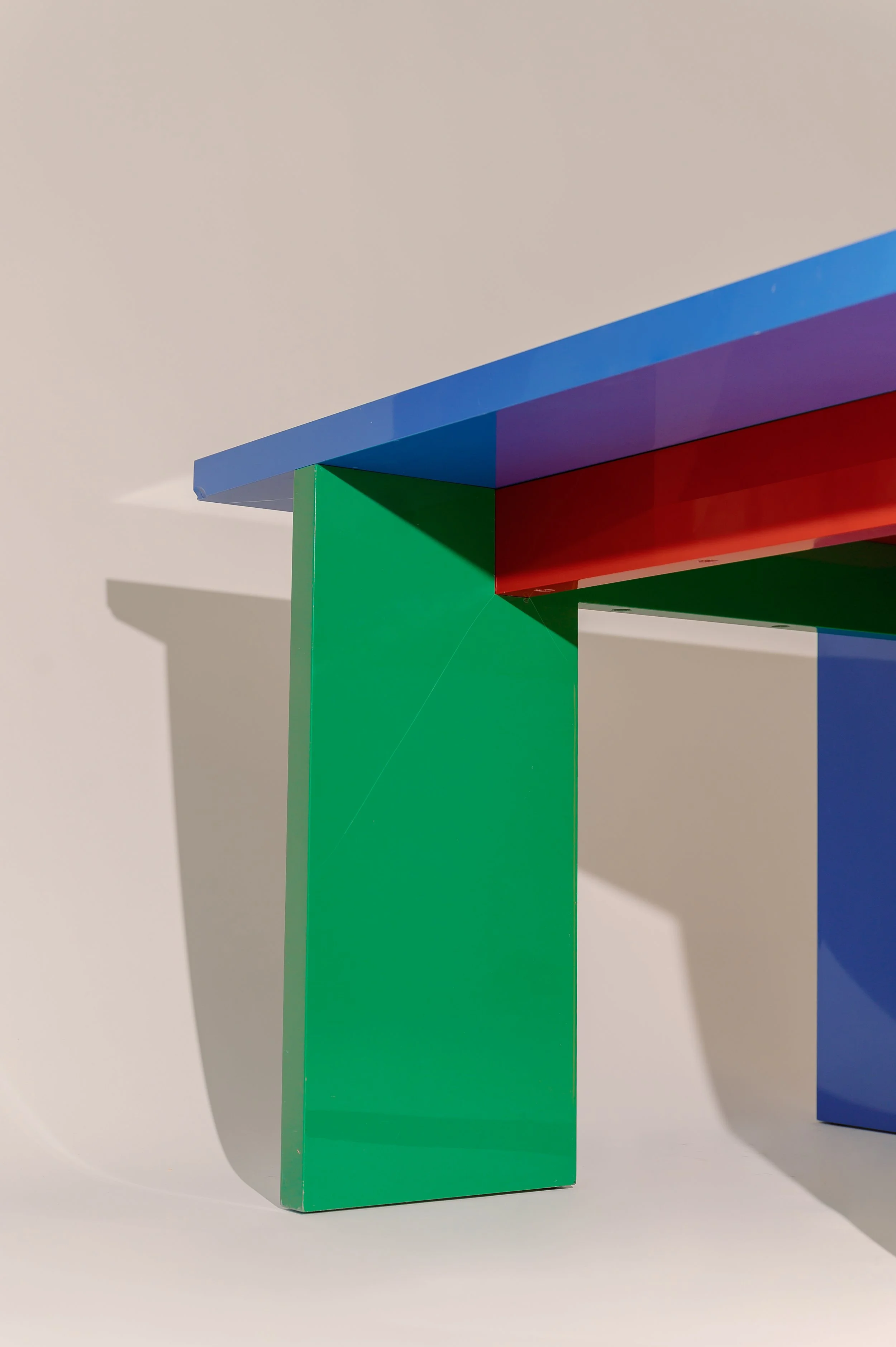
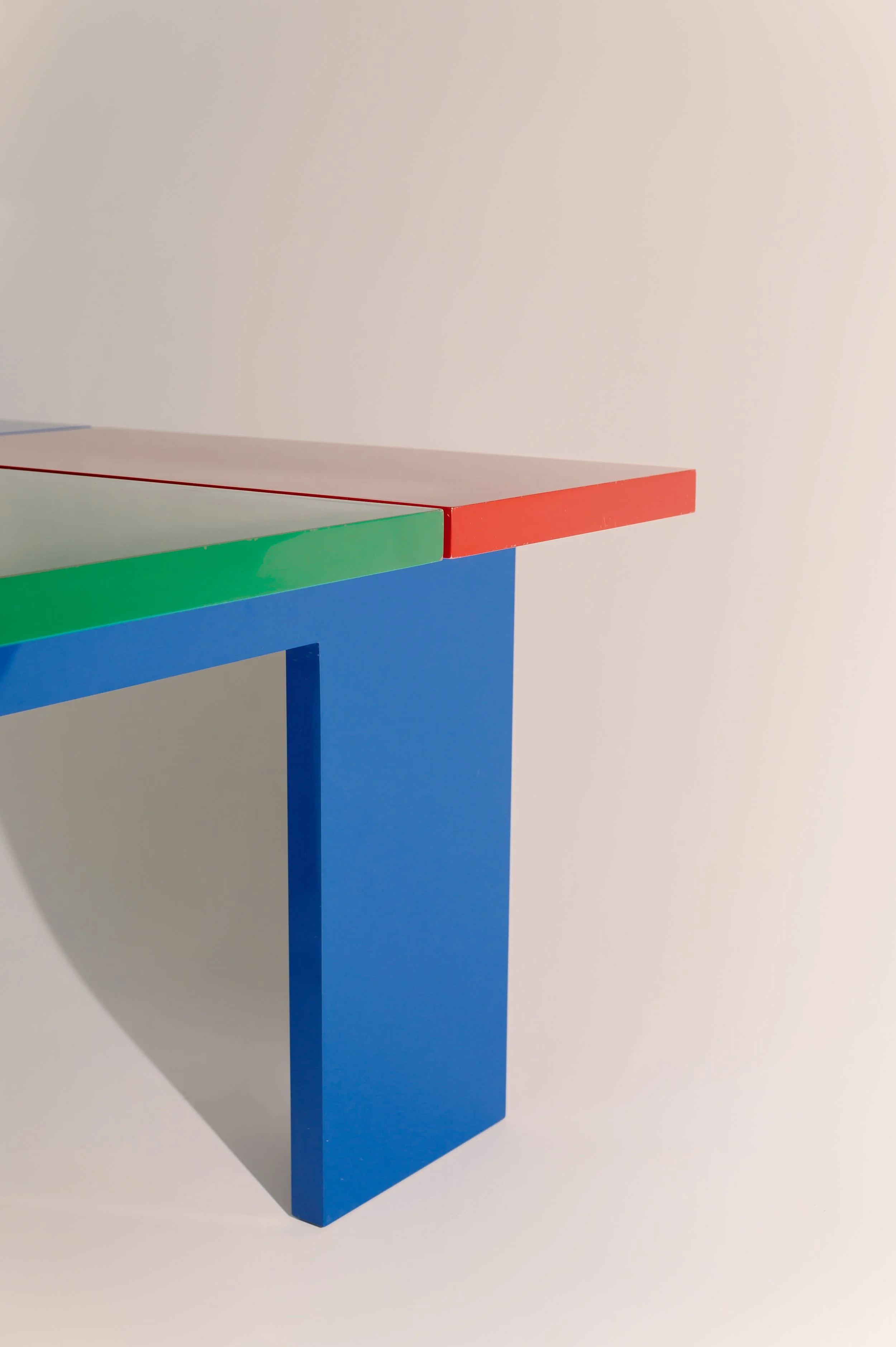
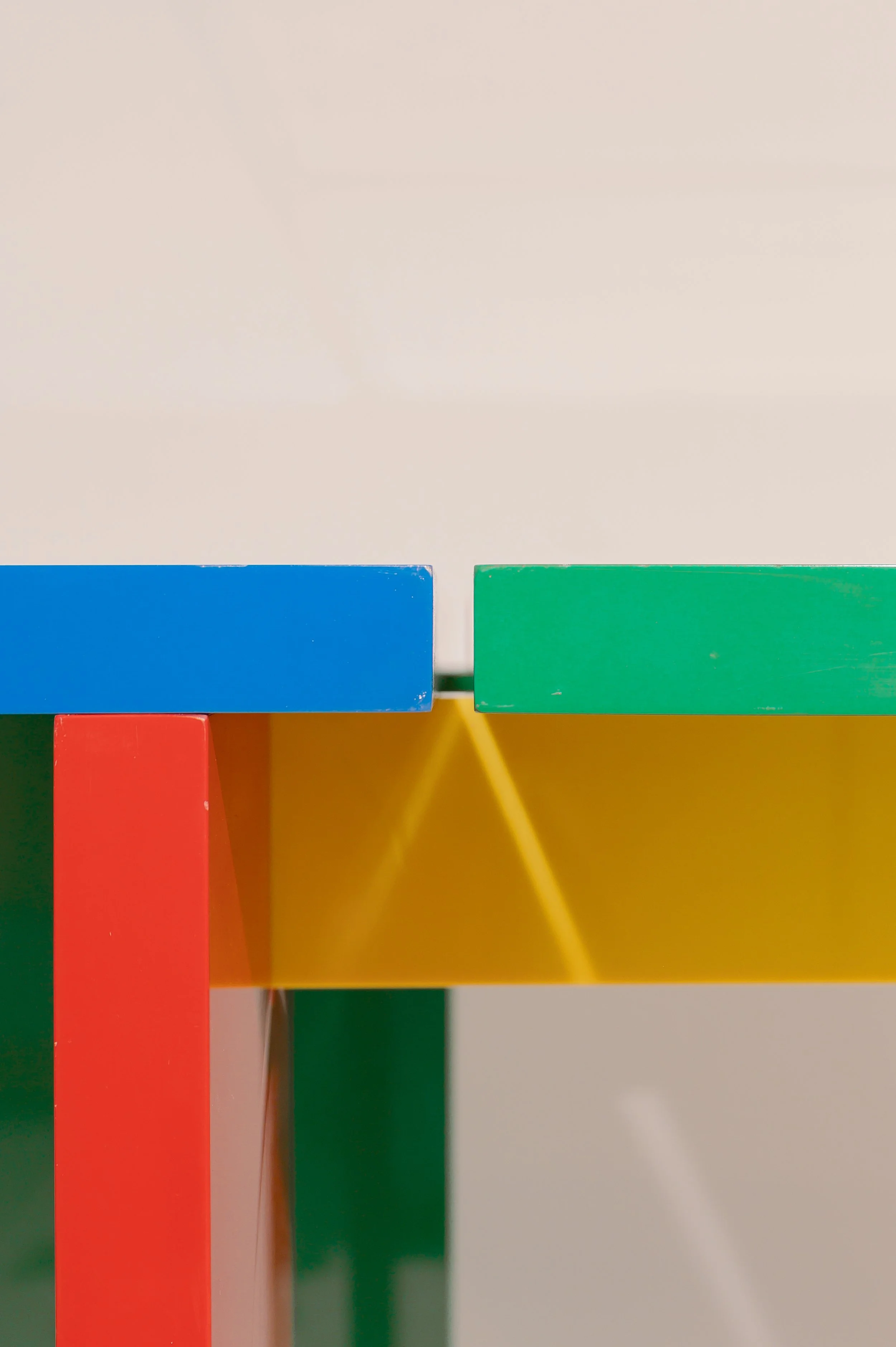
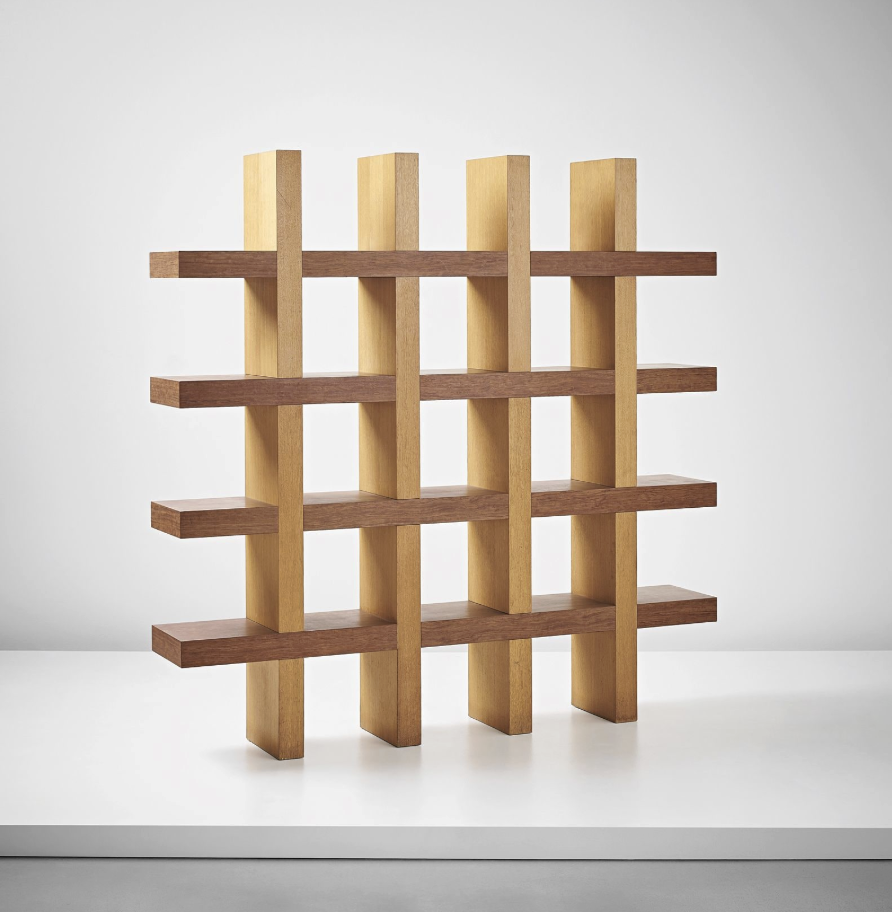
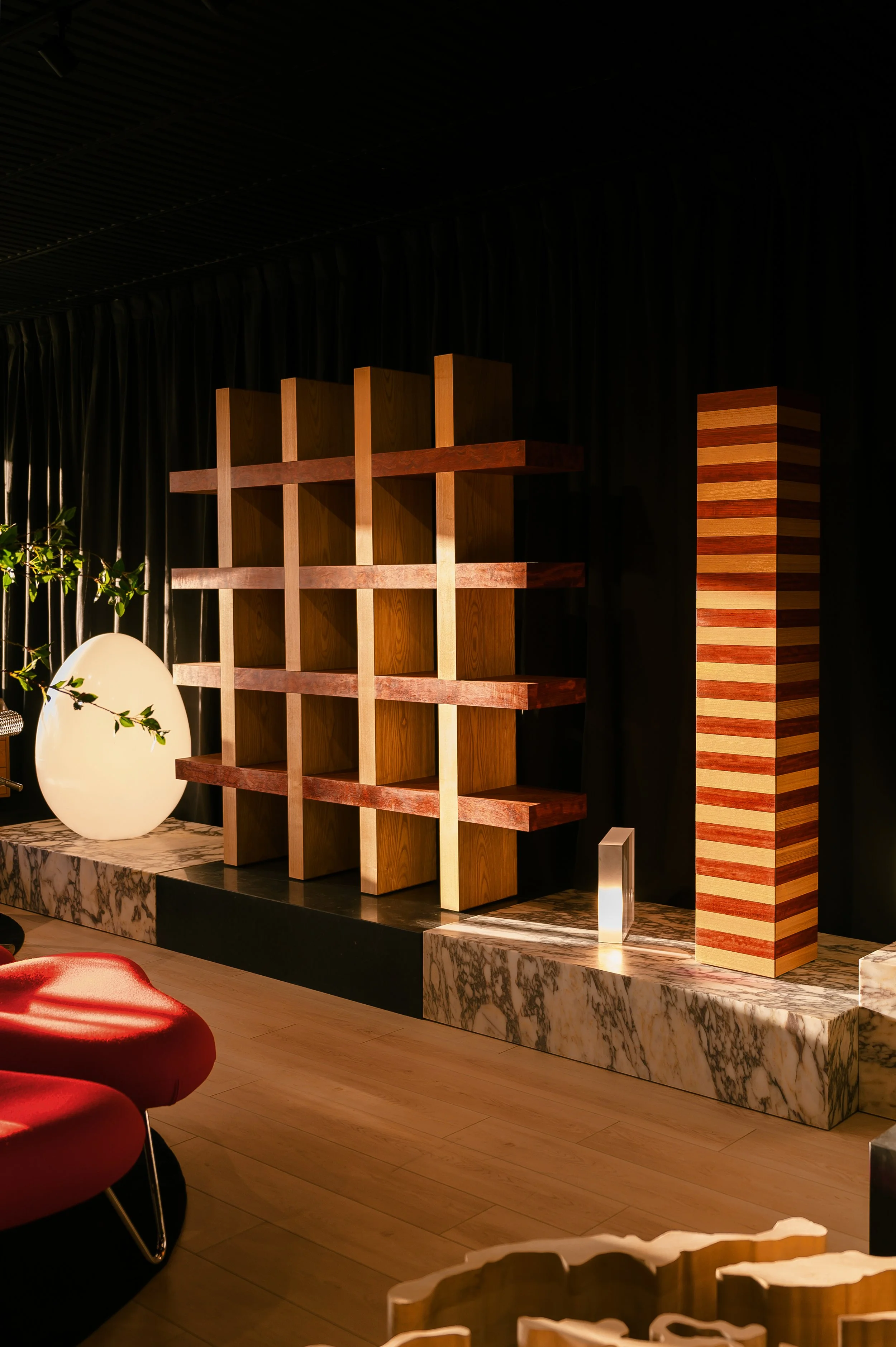
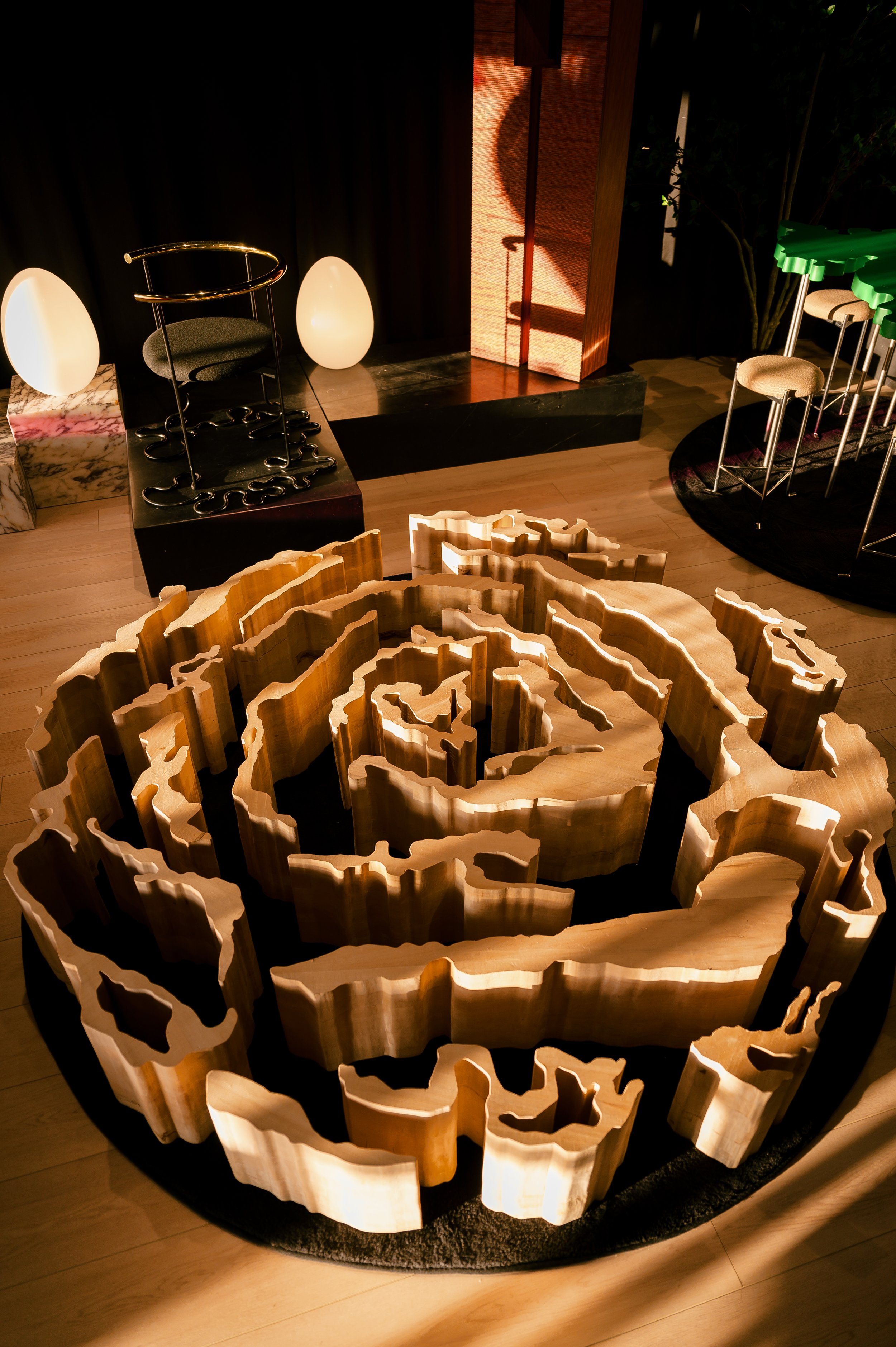
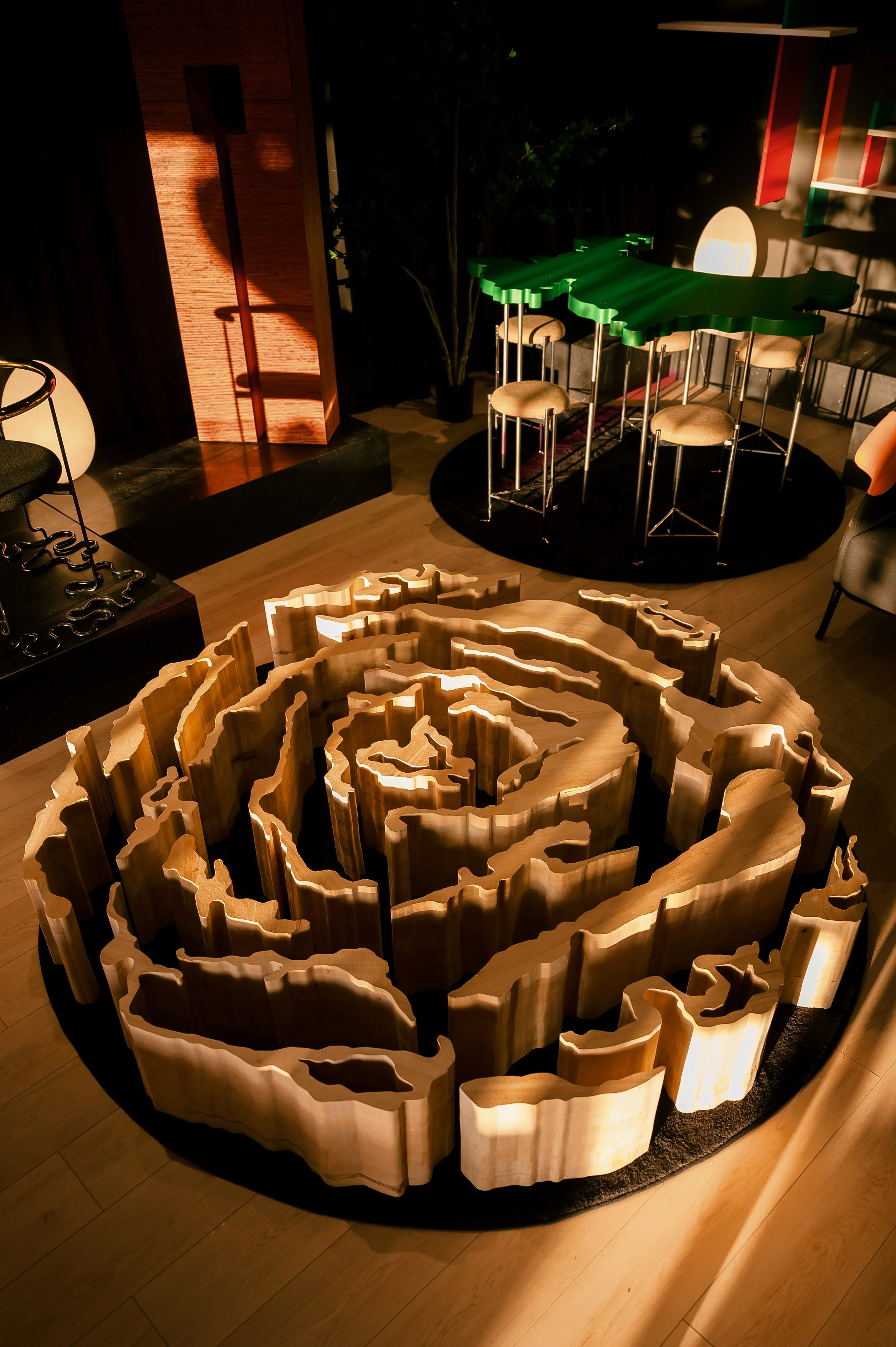
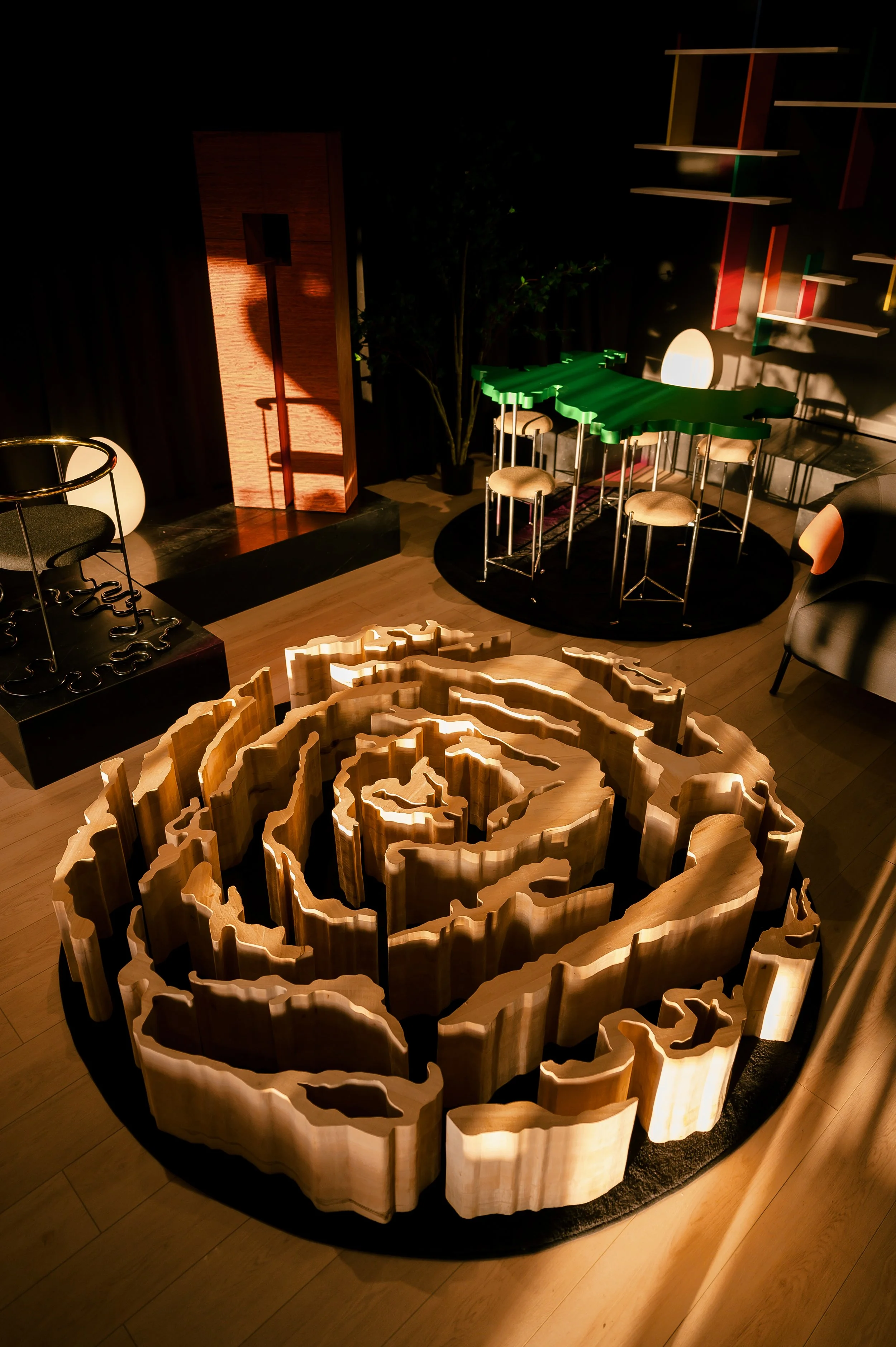
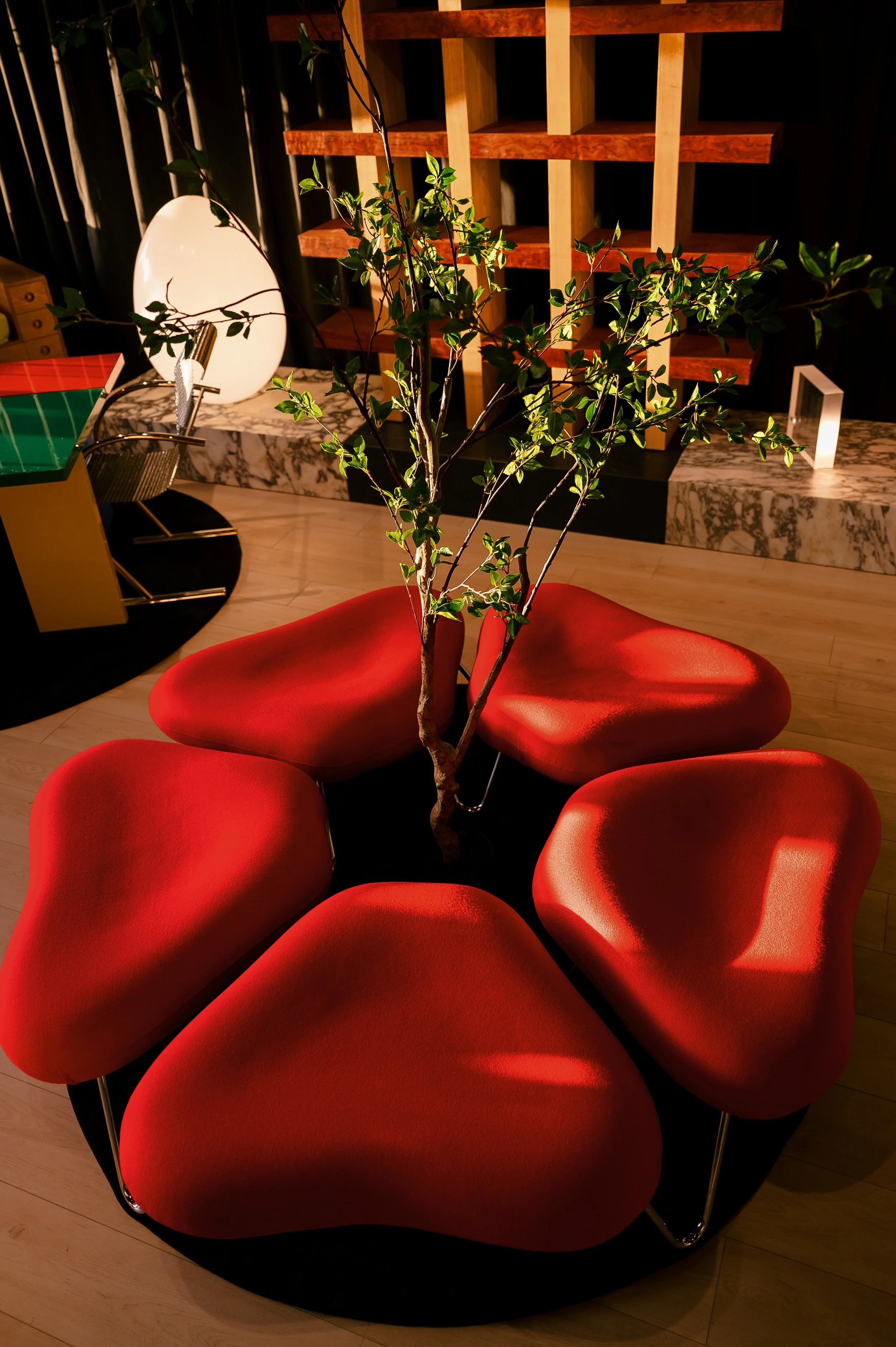
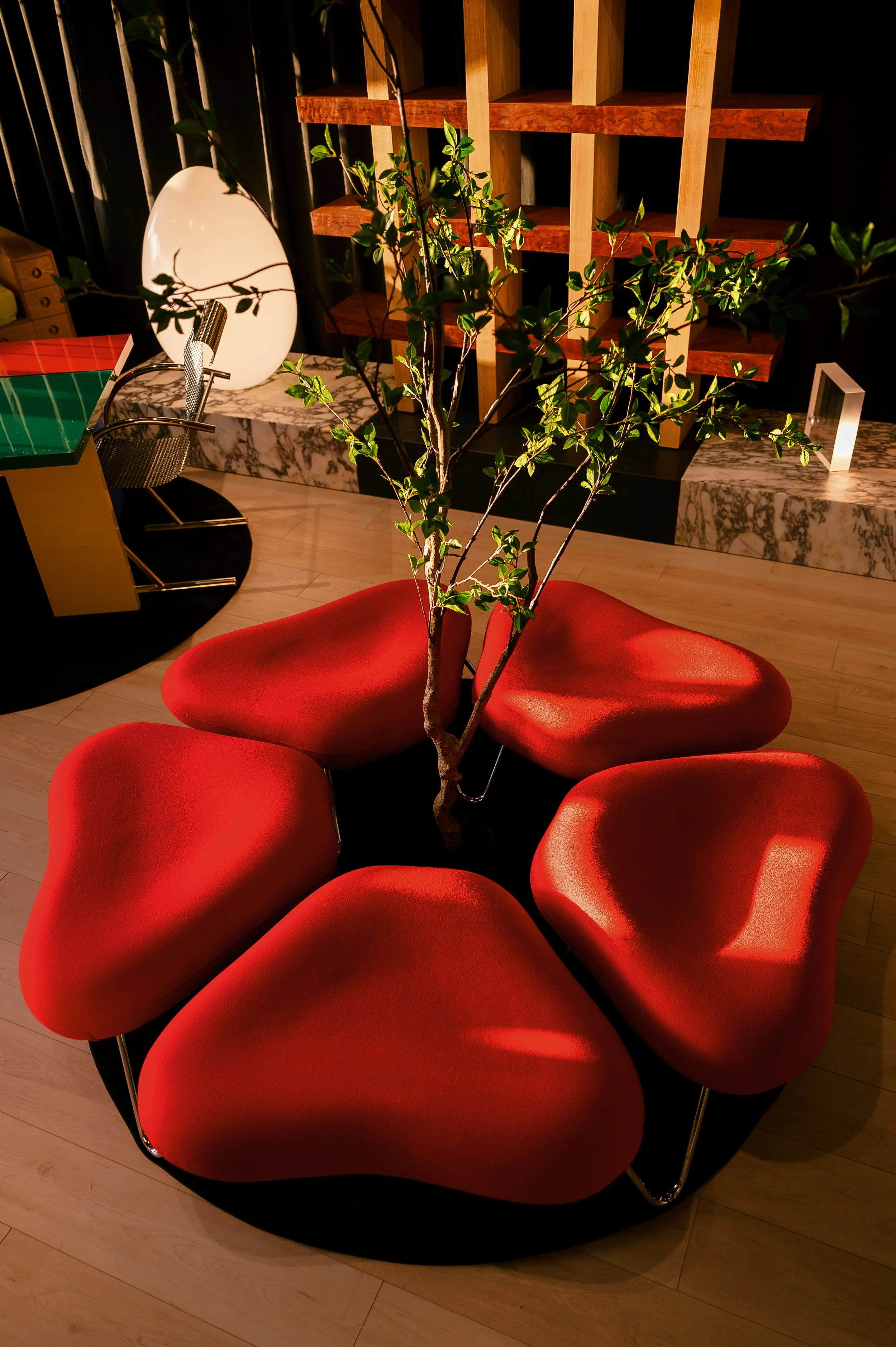
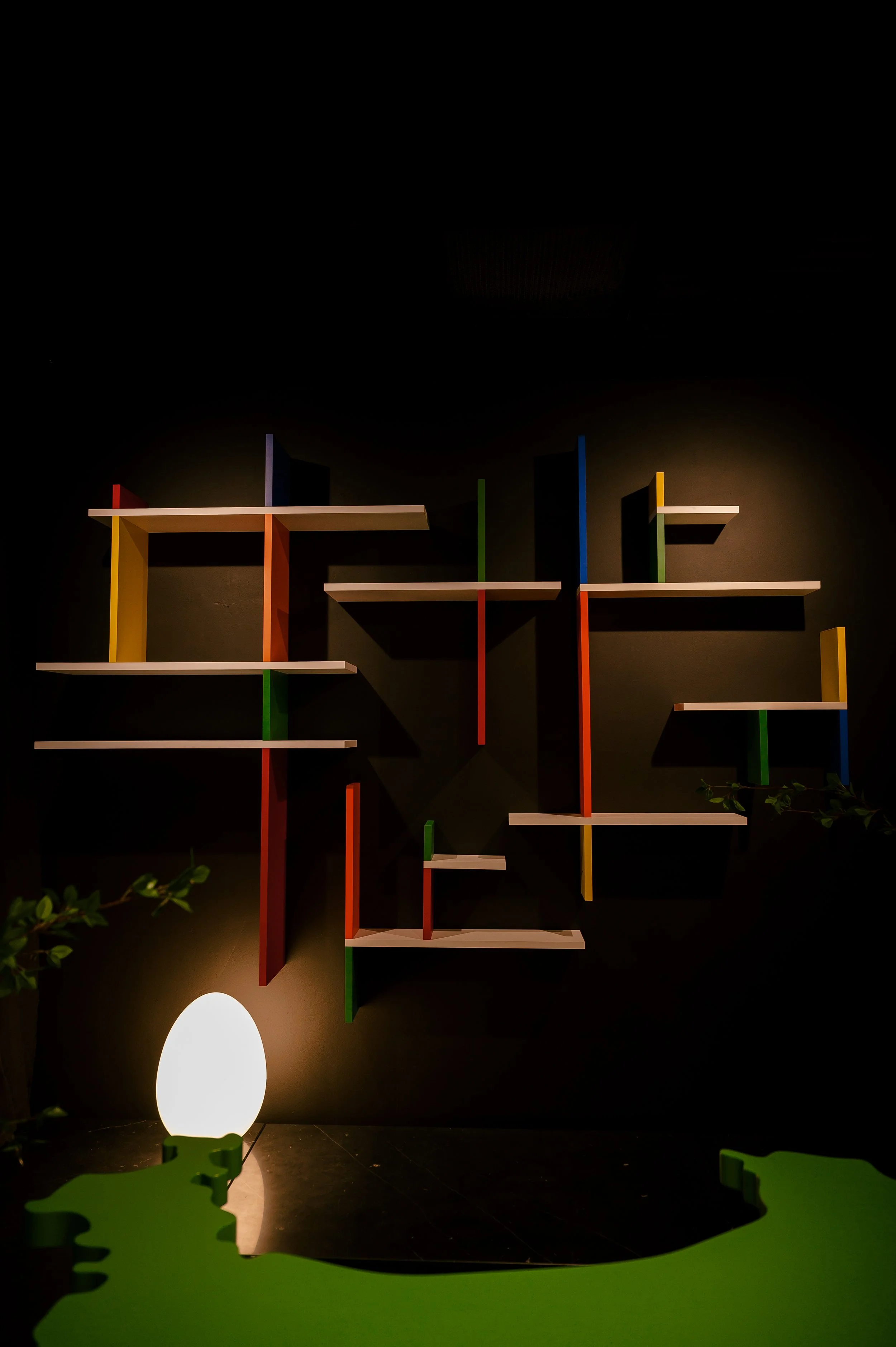
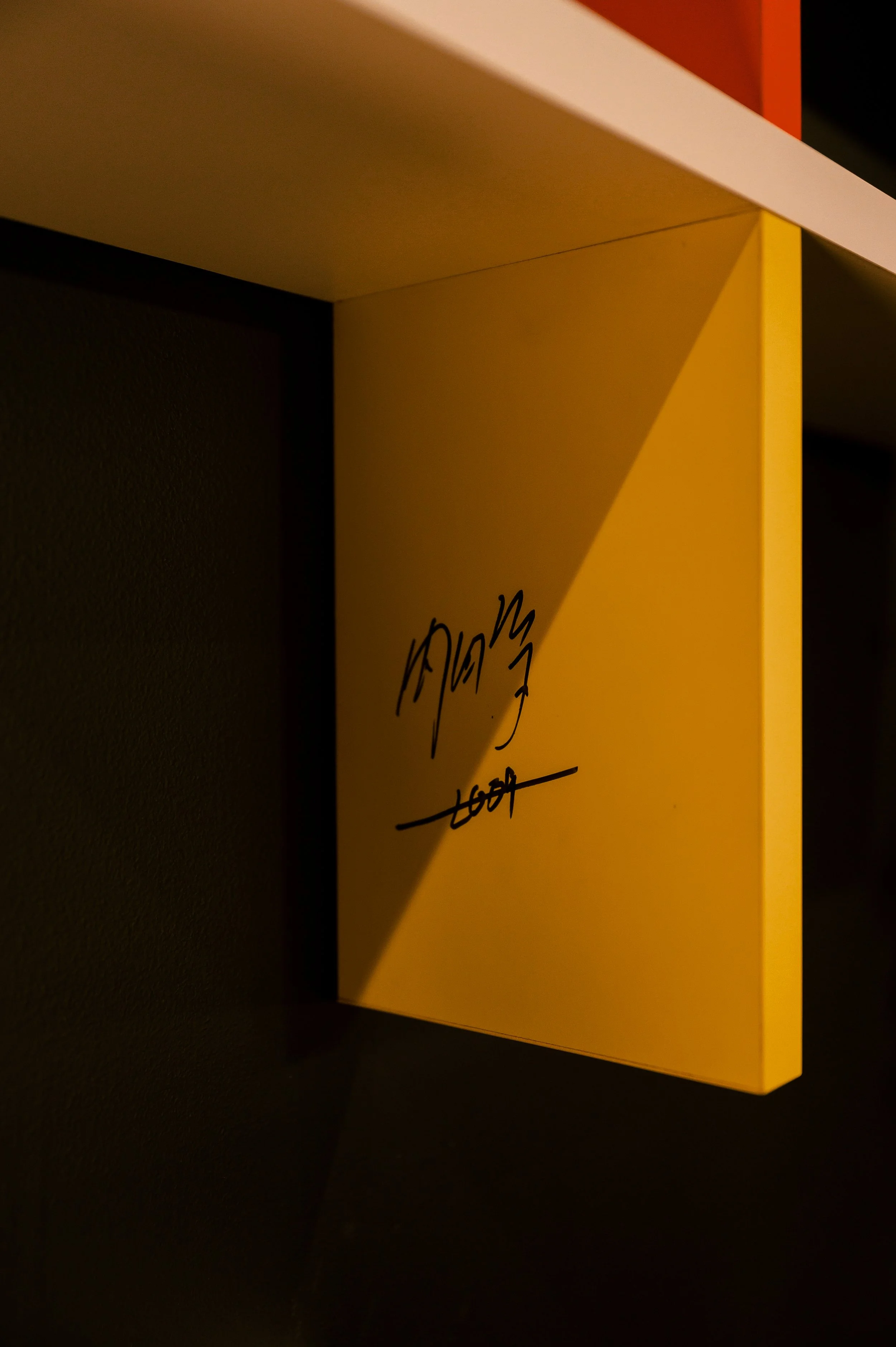
Gaetano Pesce
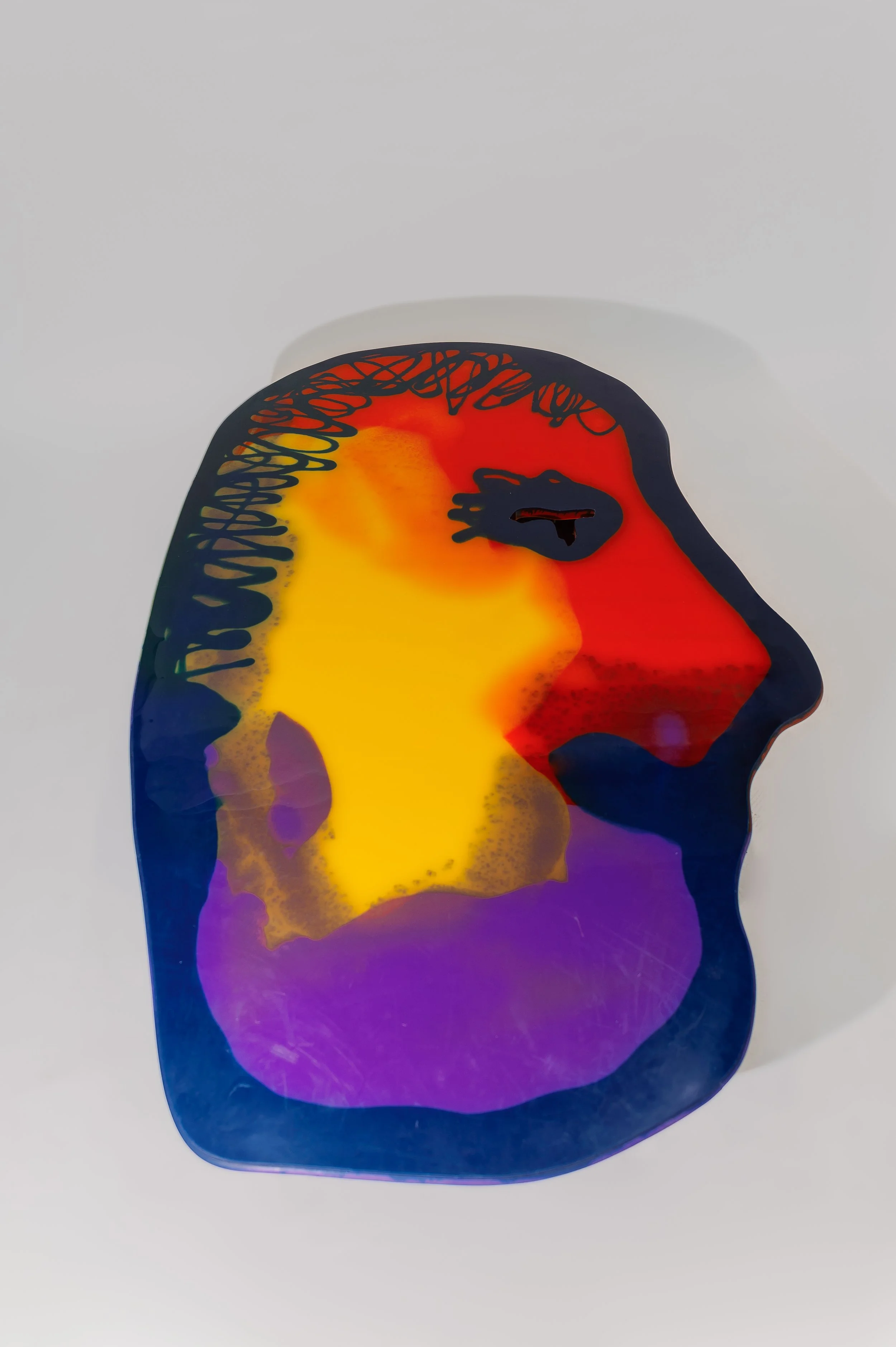
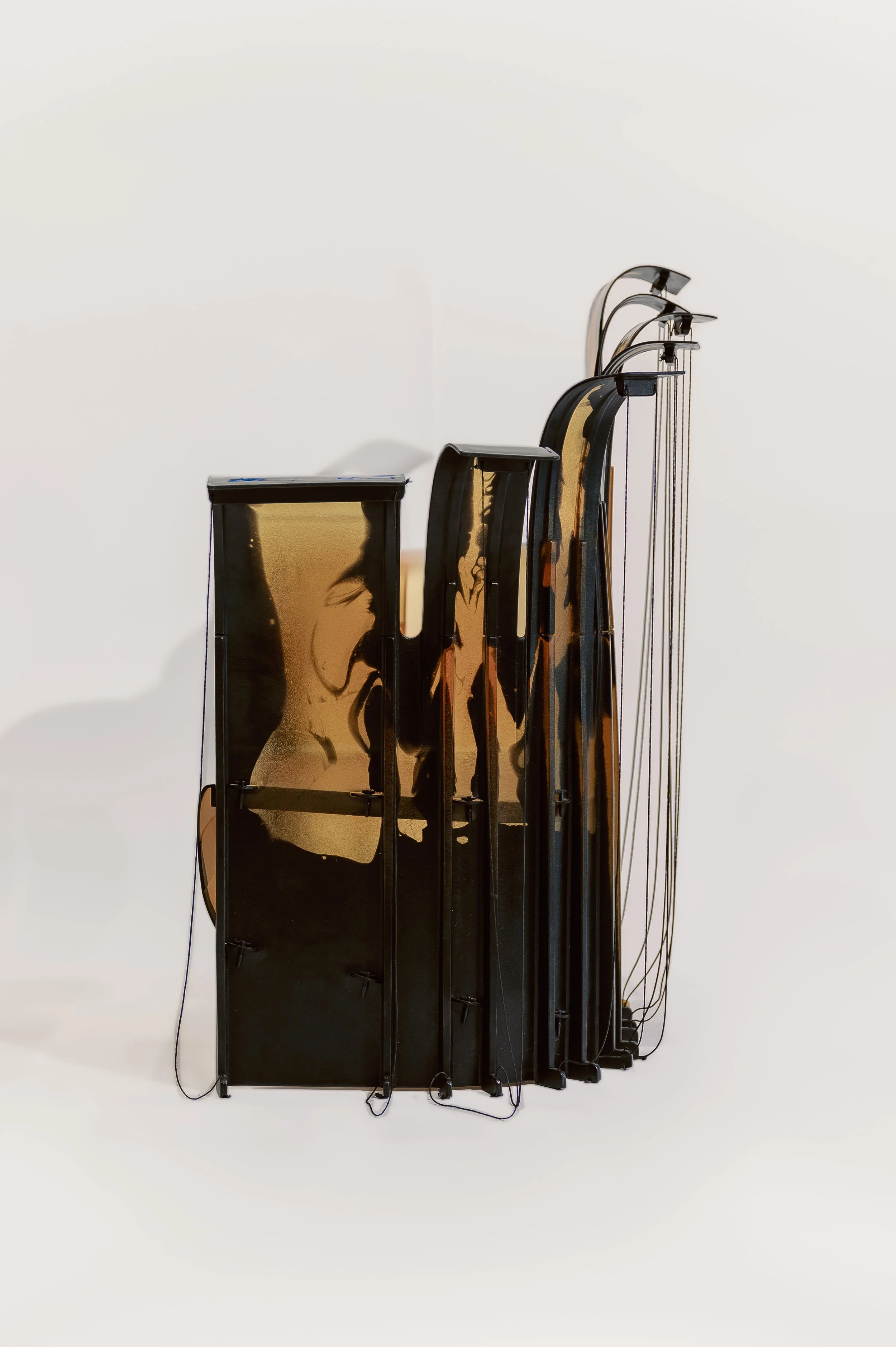
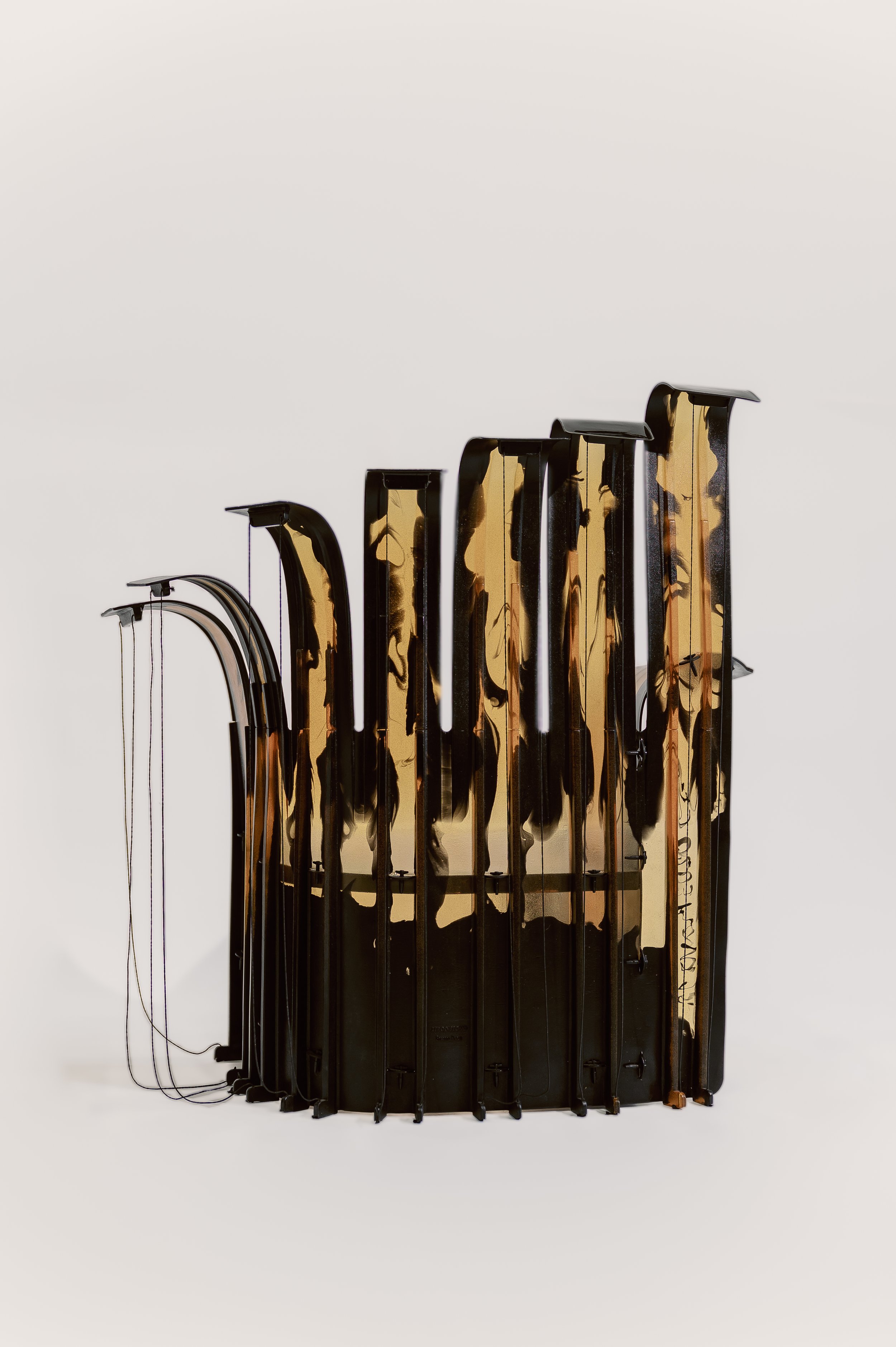
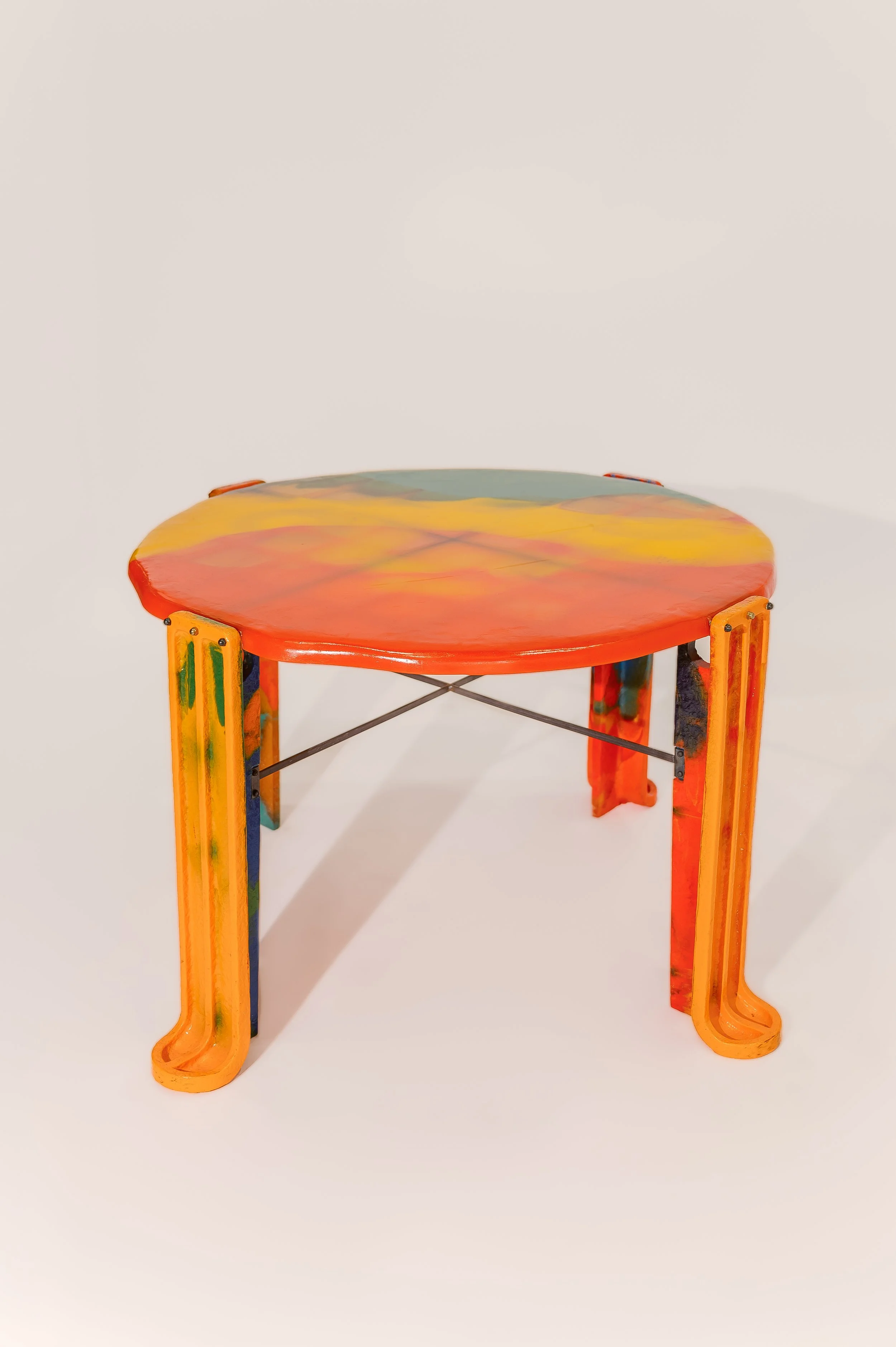
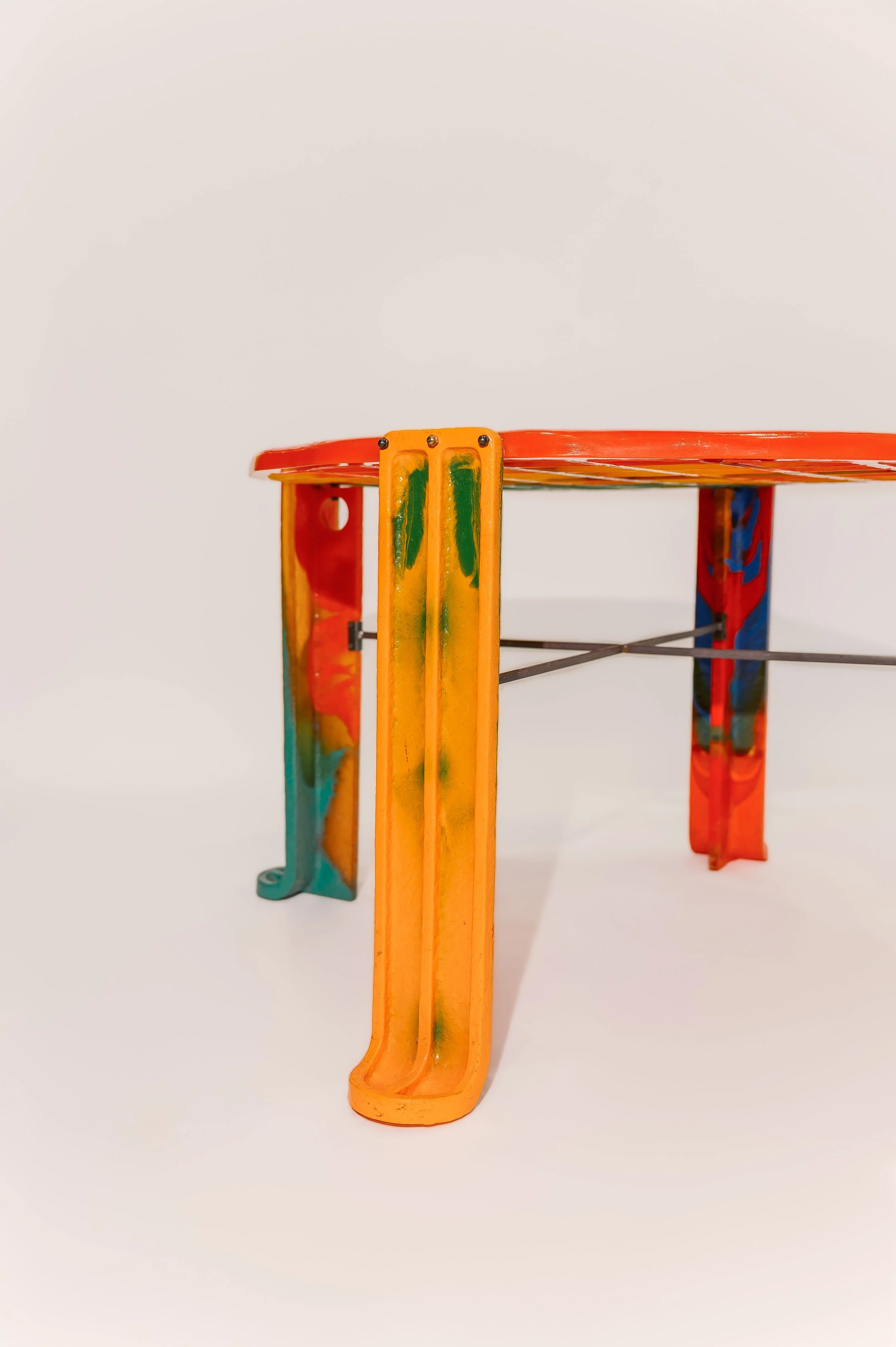
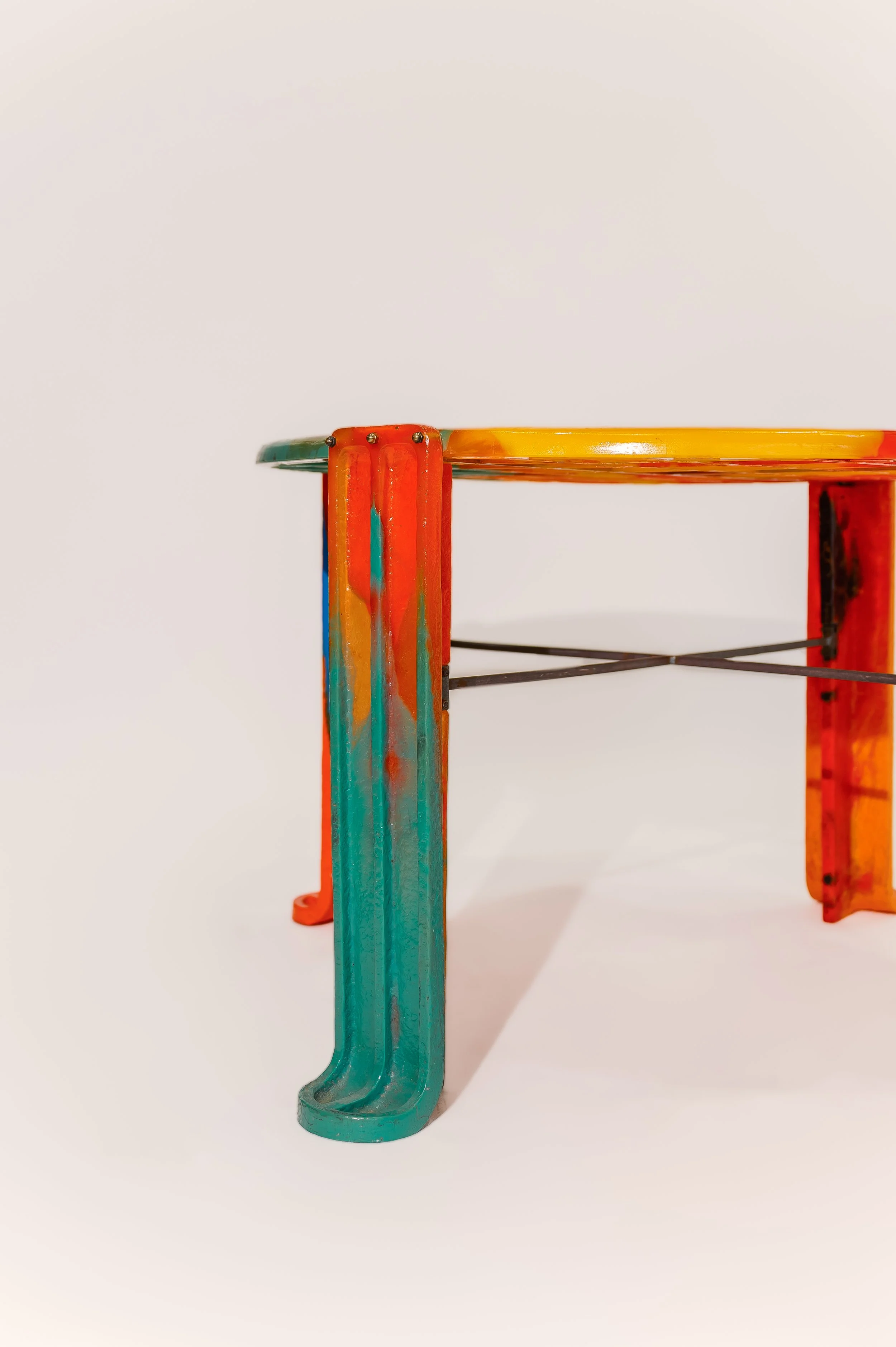
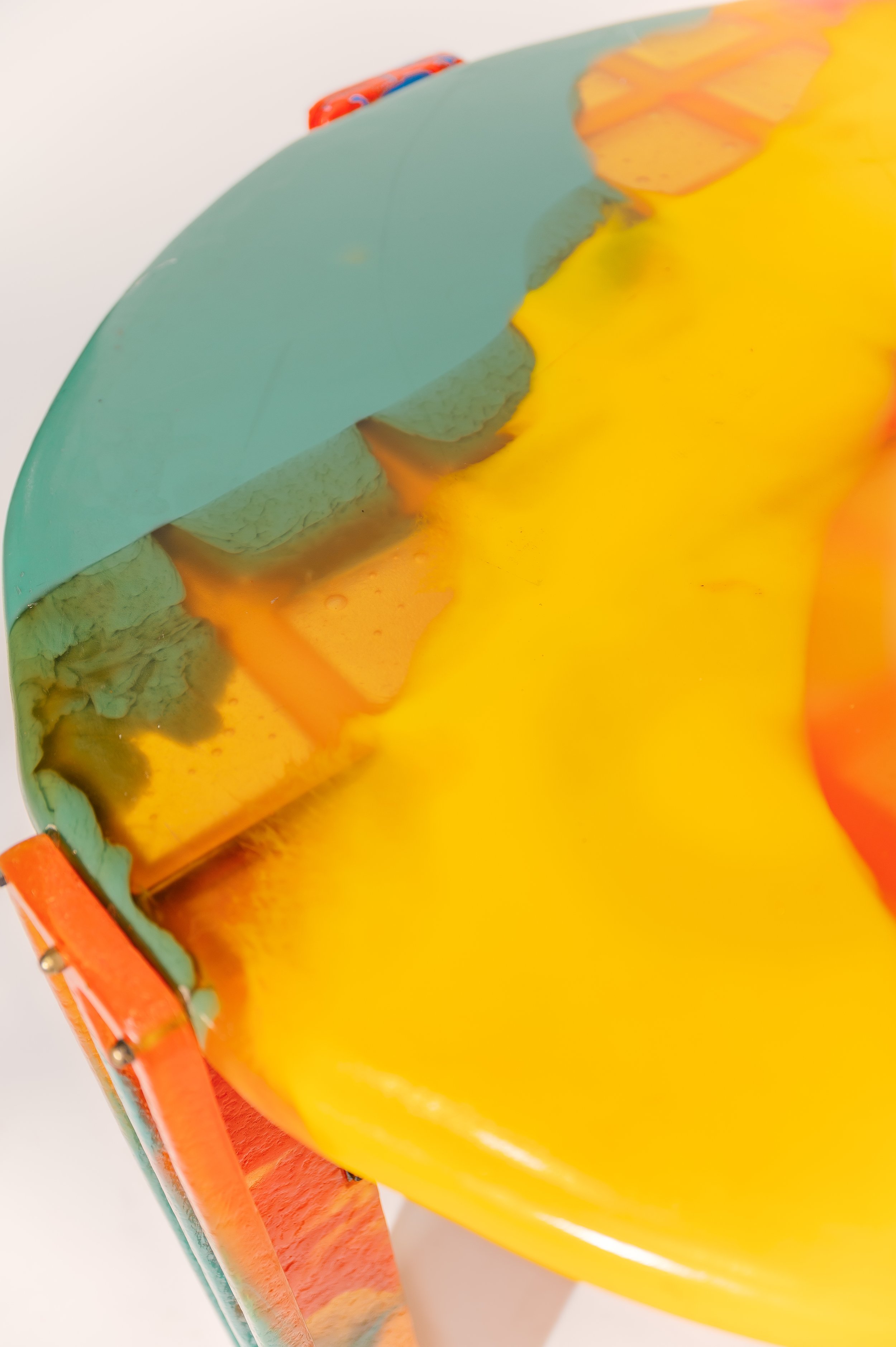
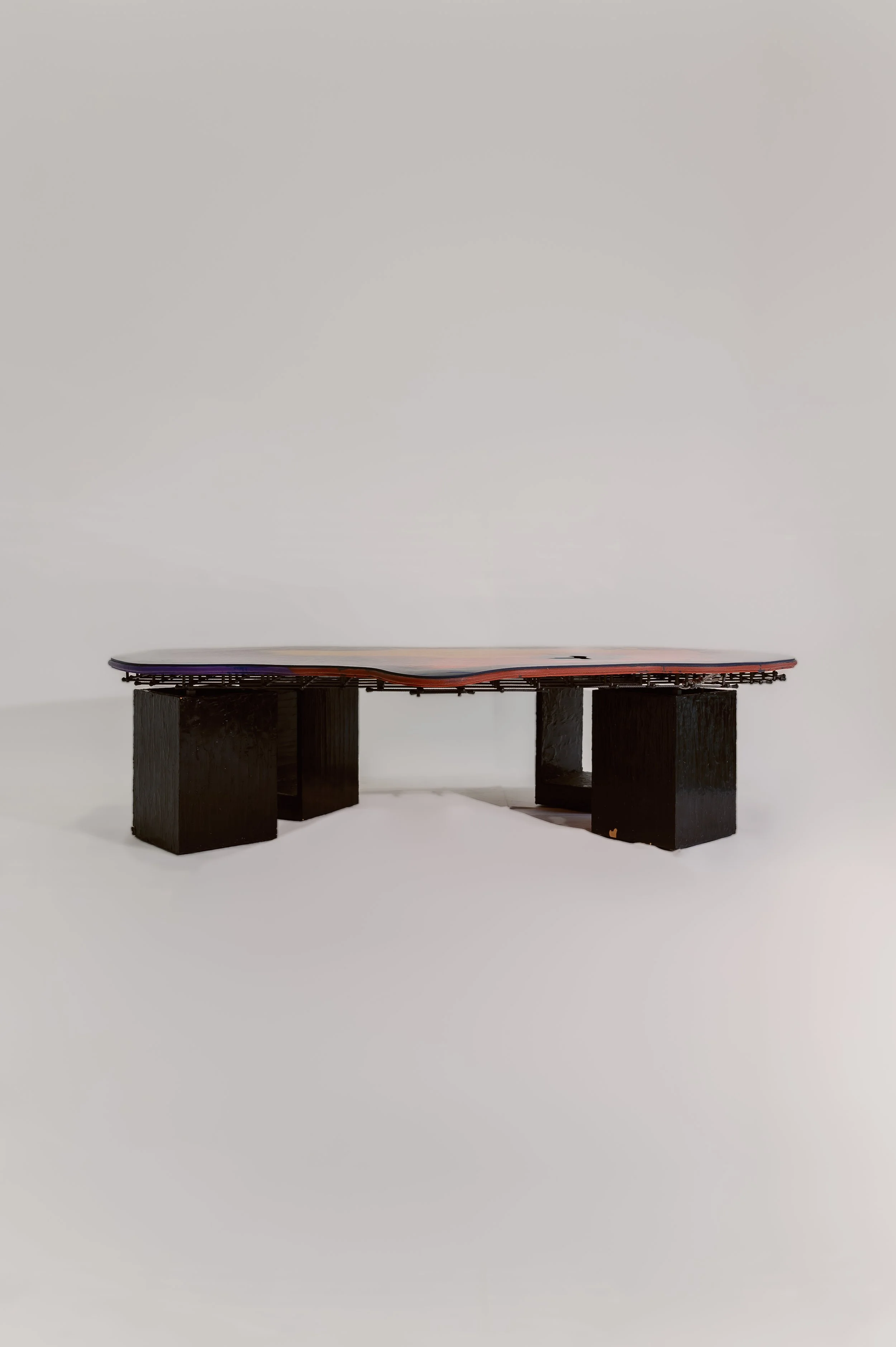
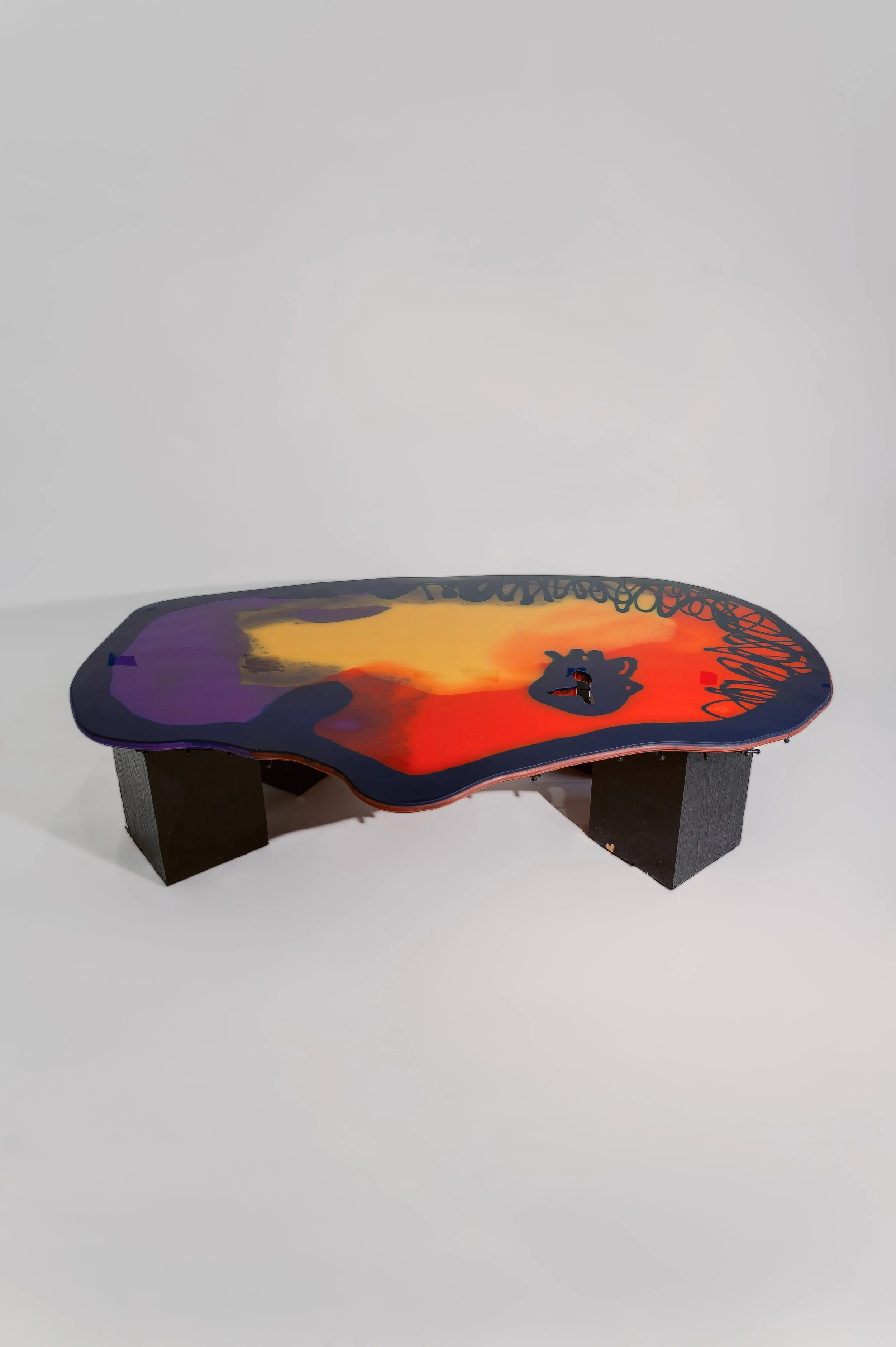
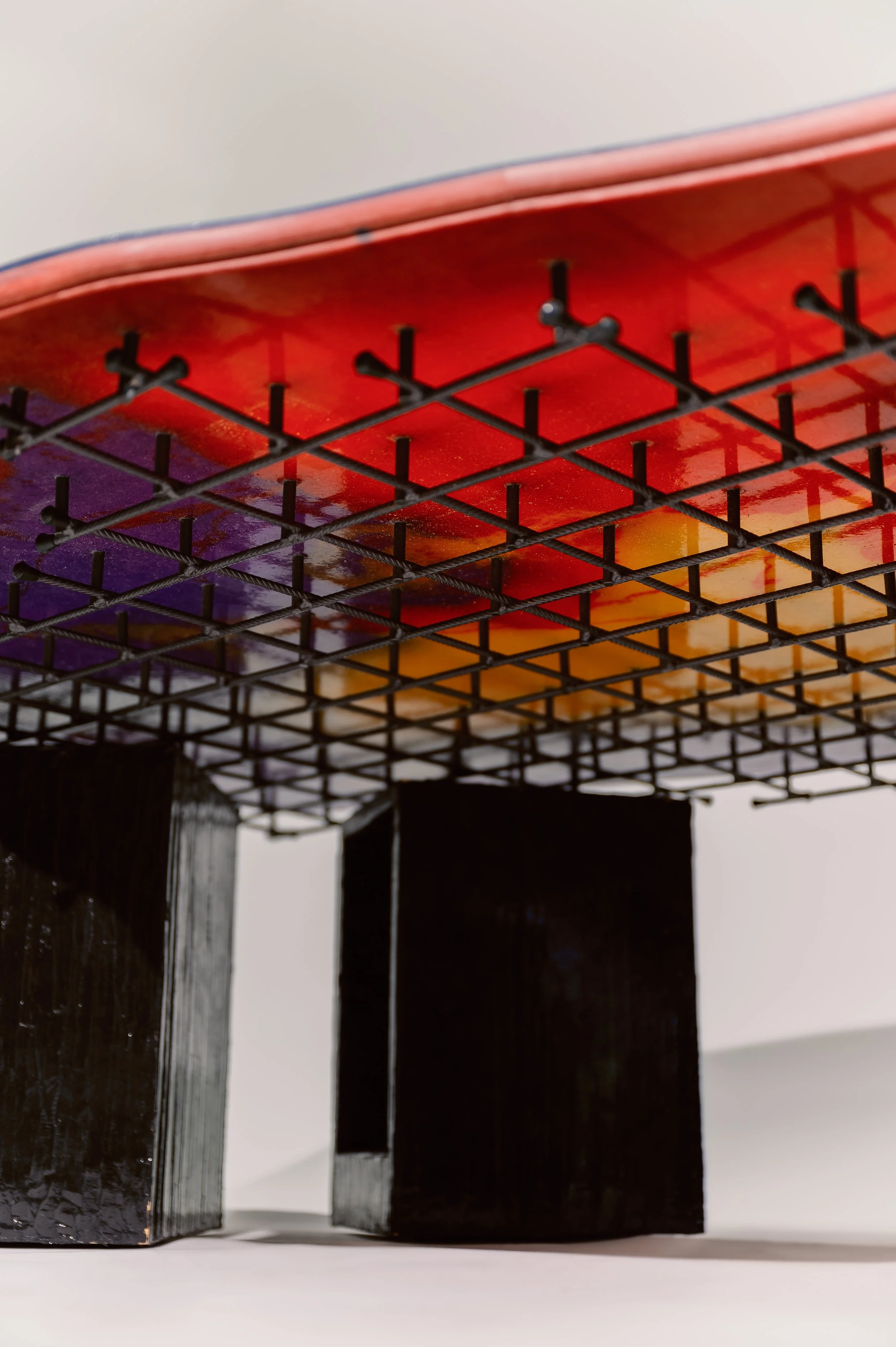
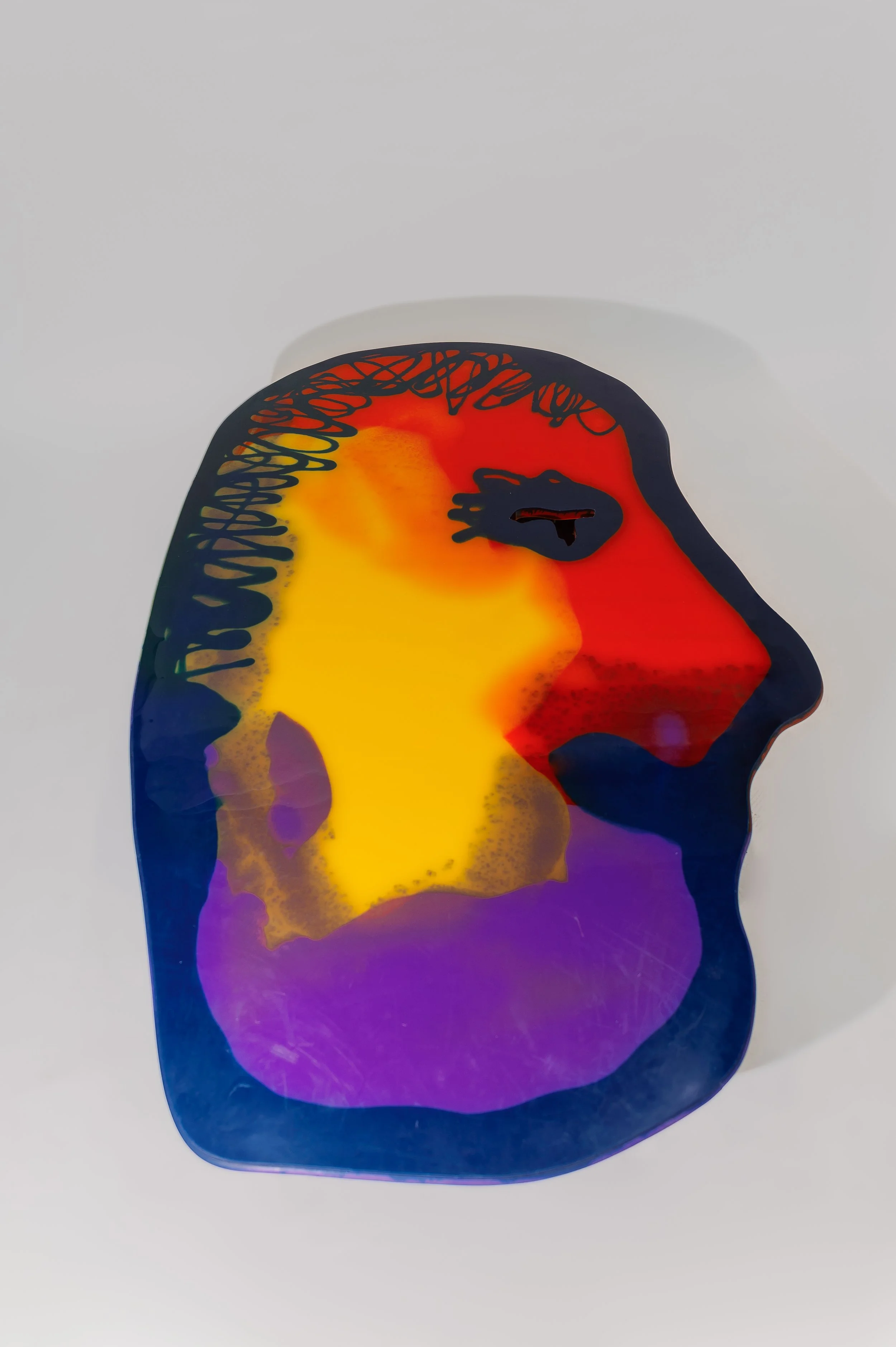
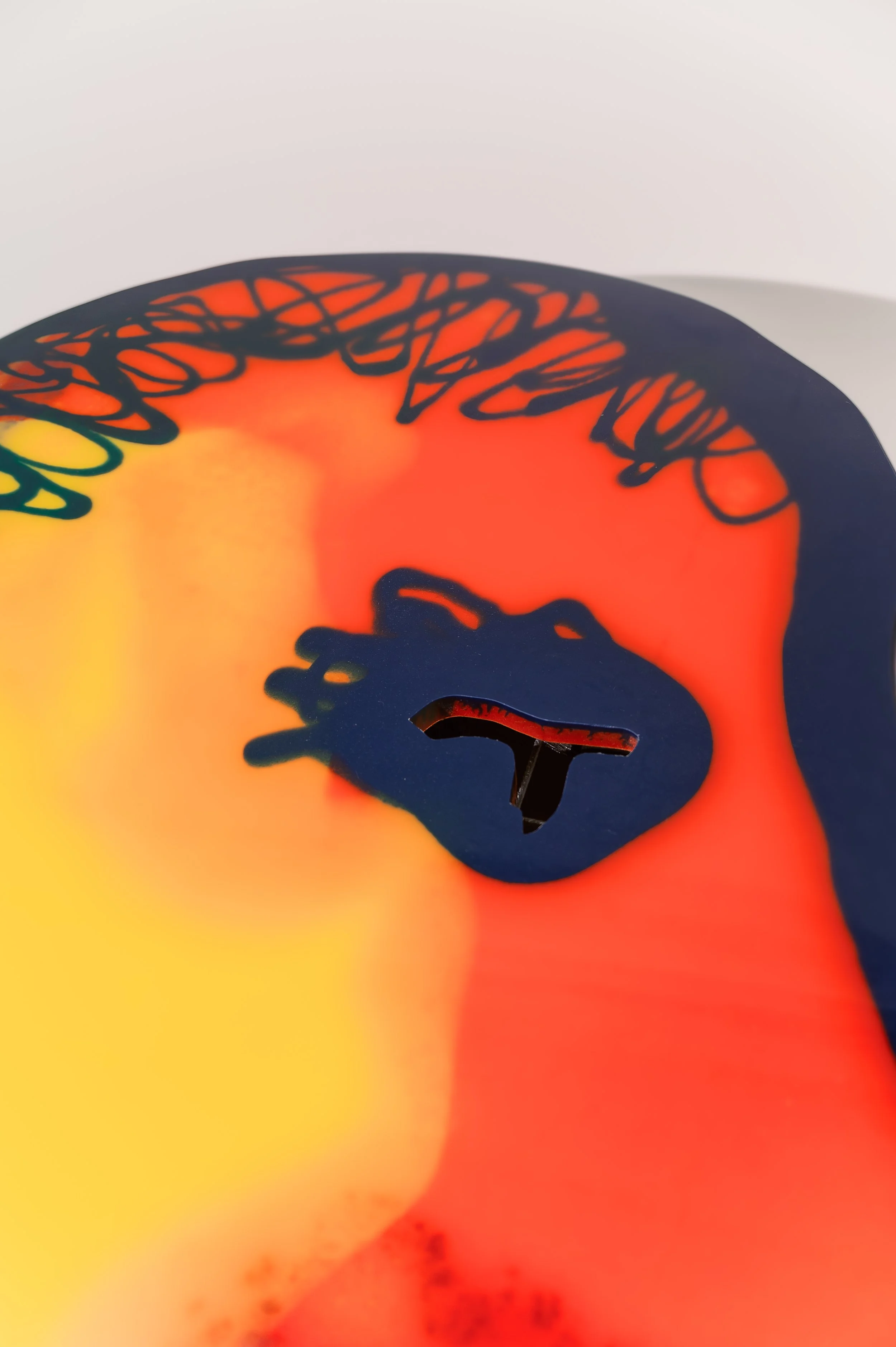
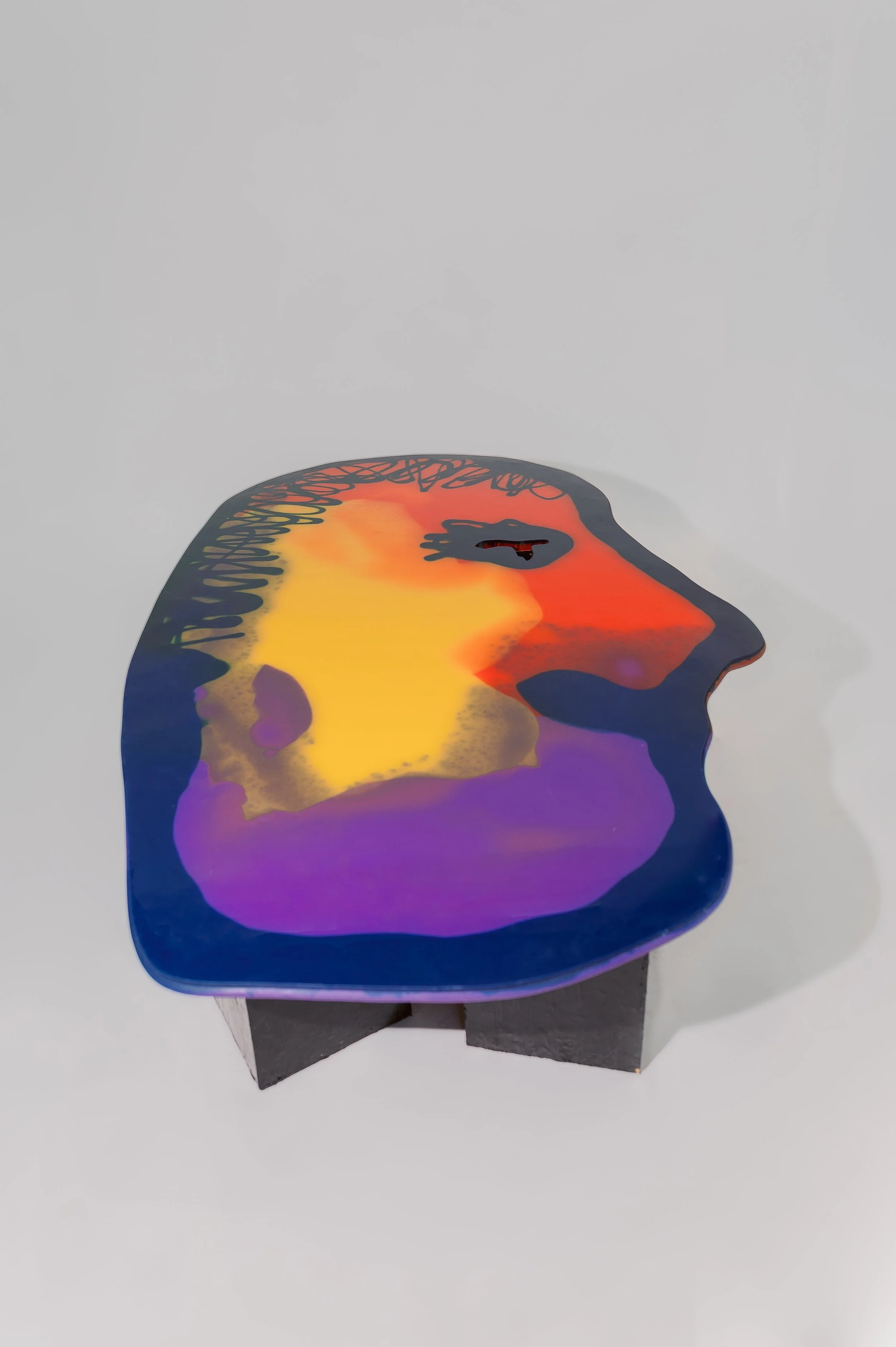
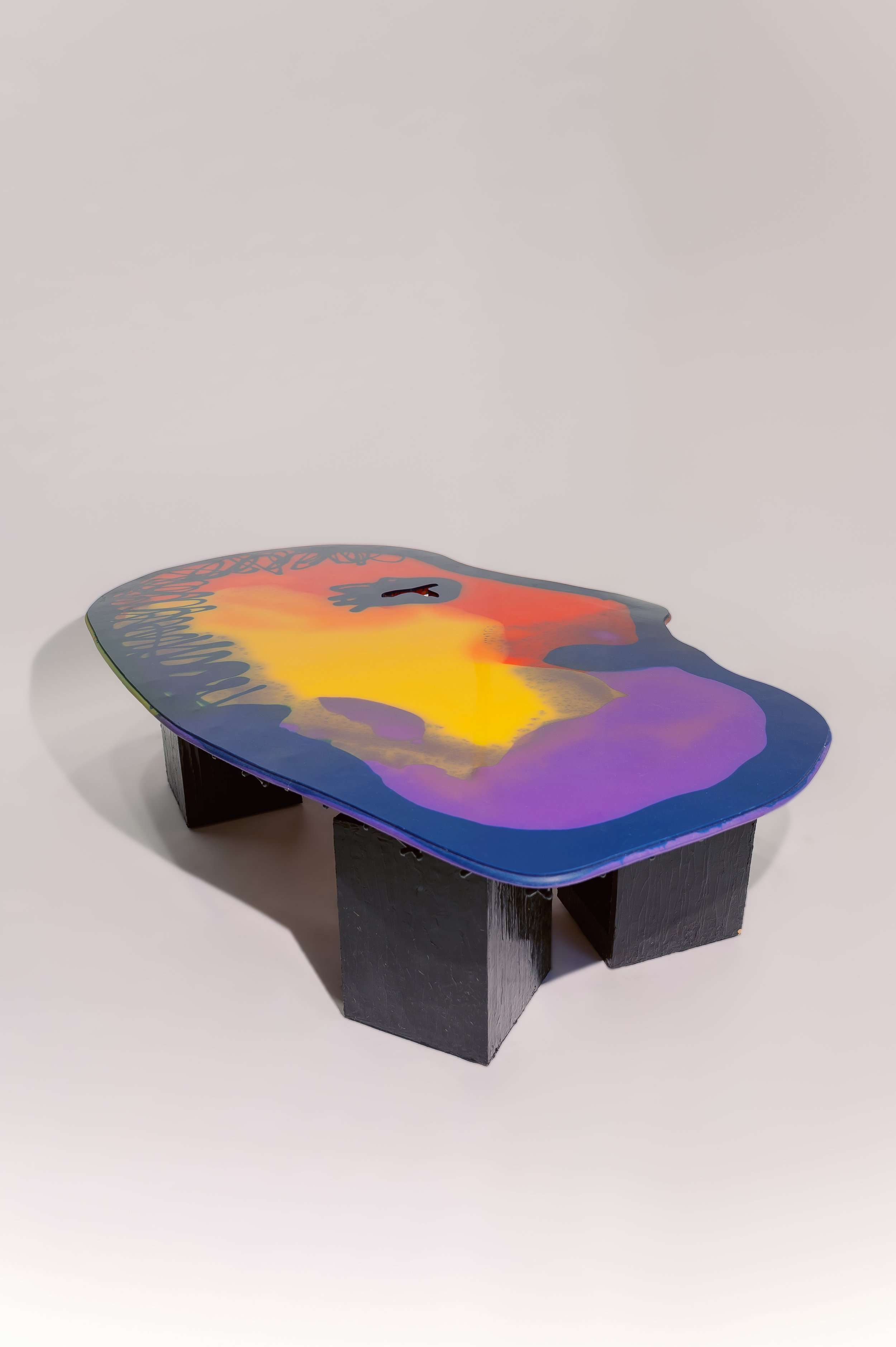
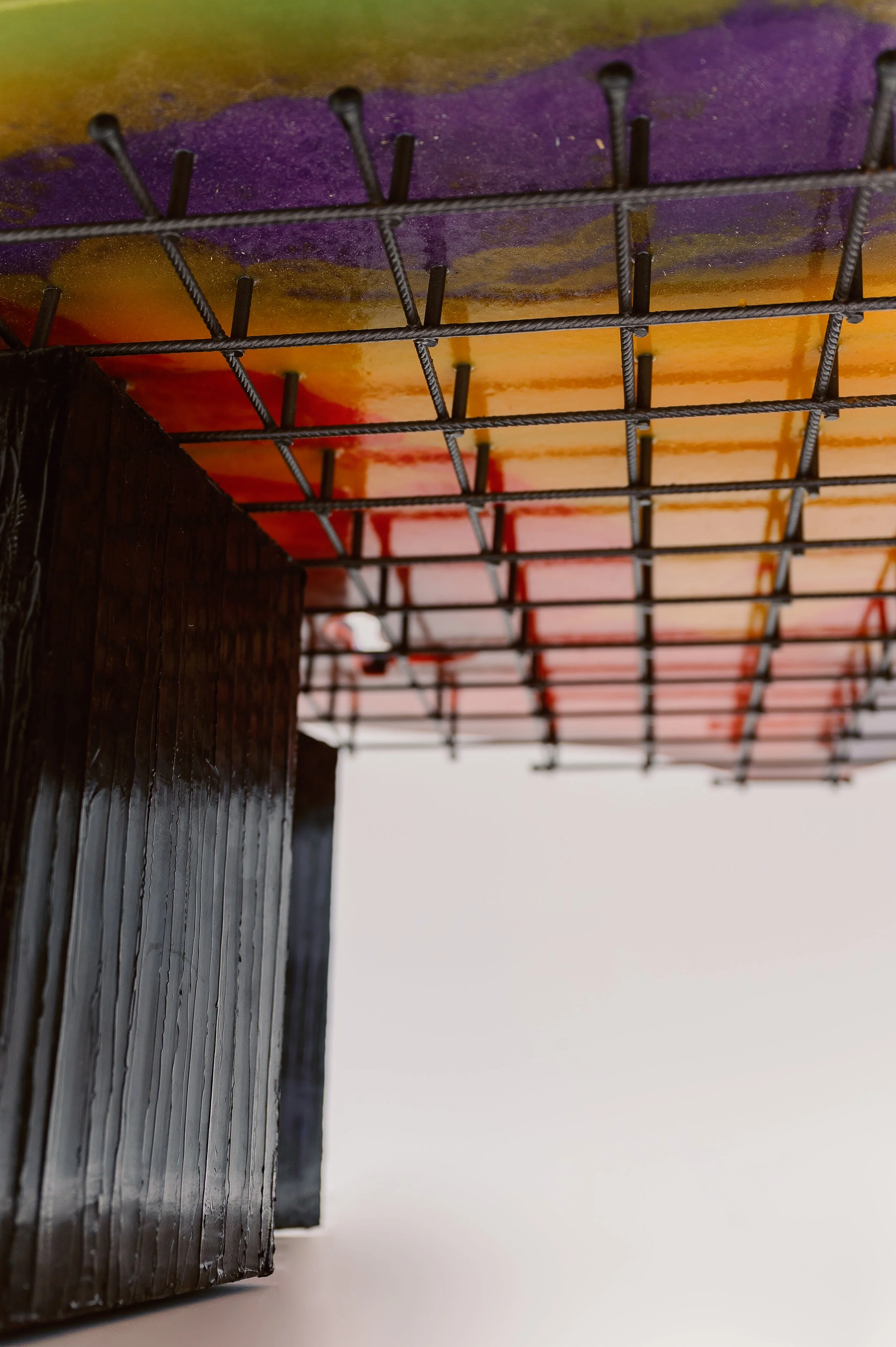
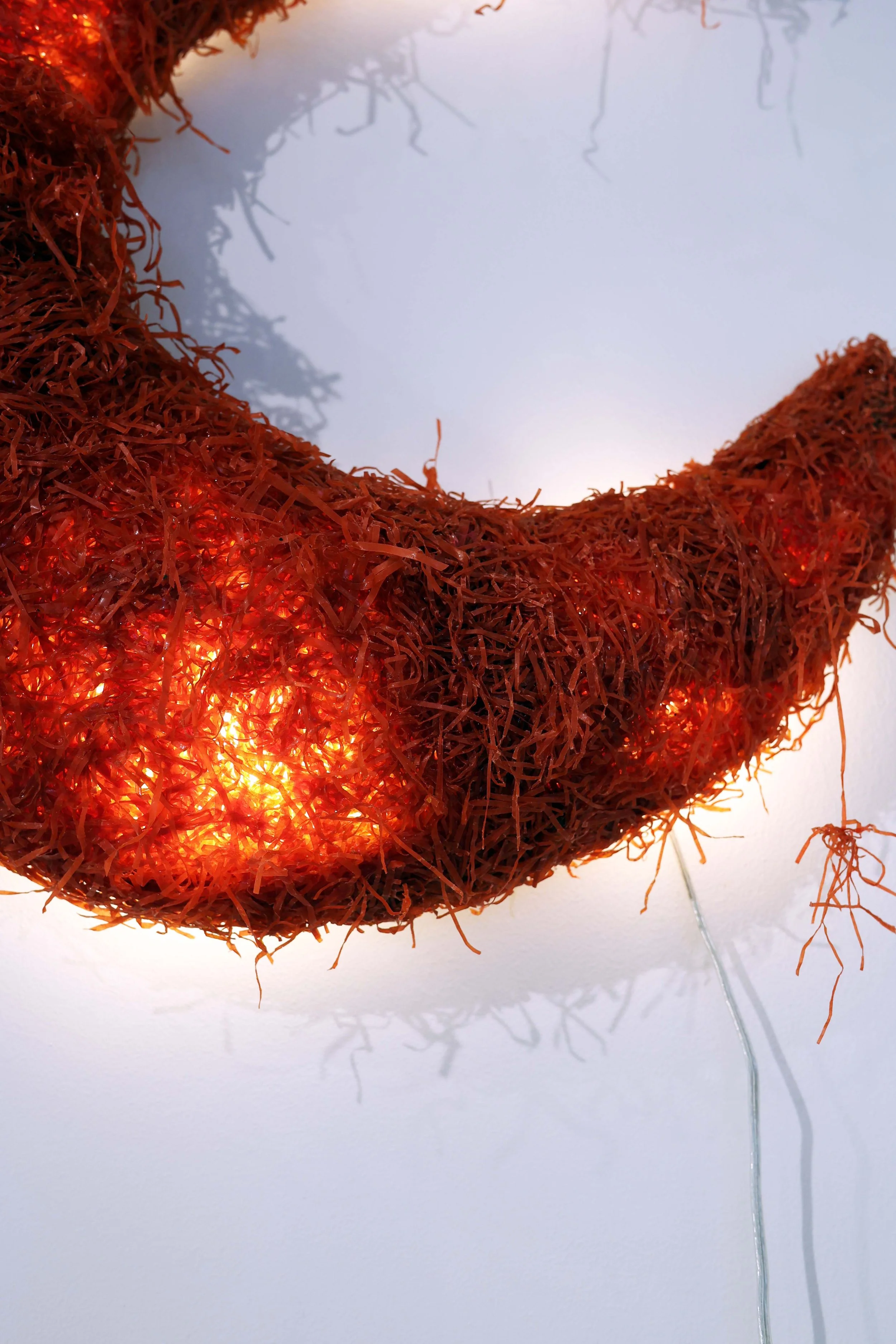
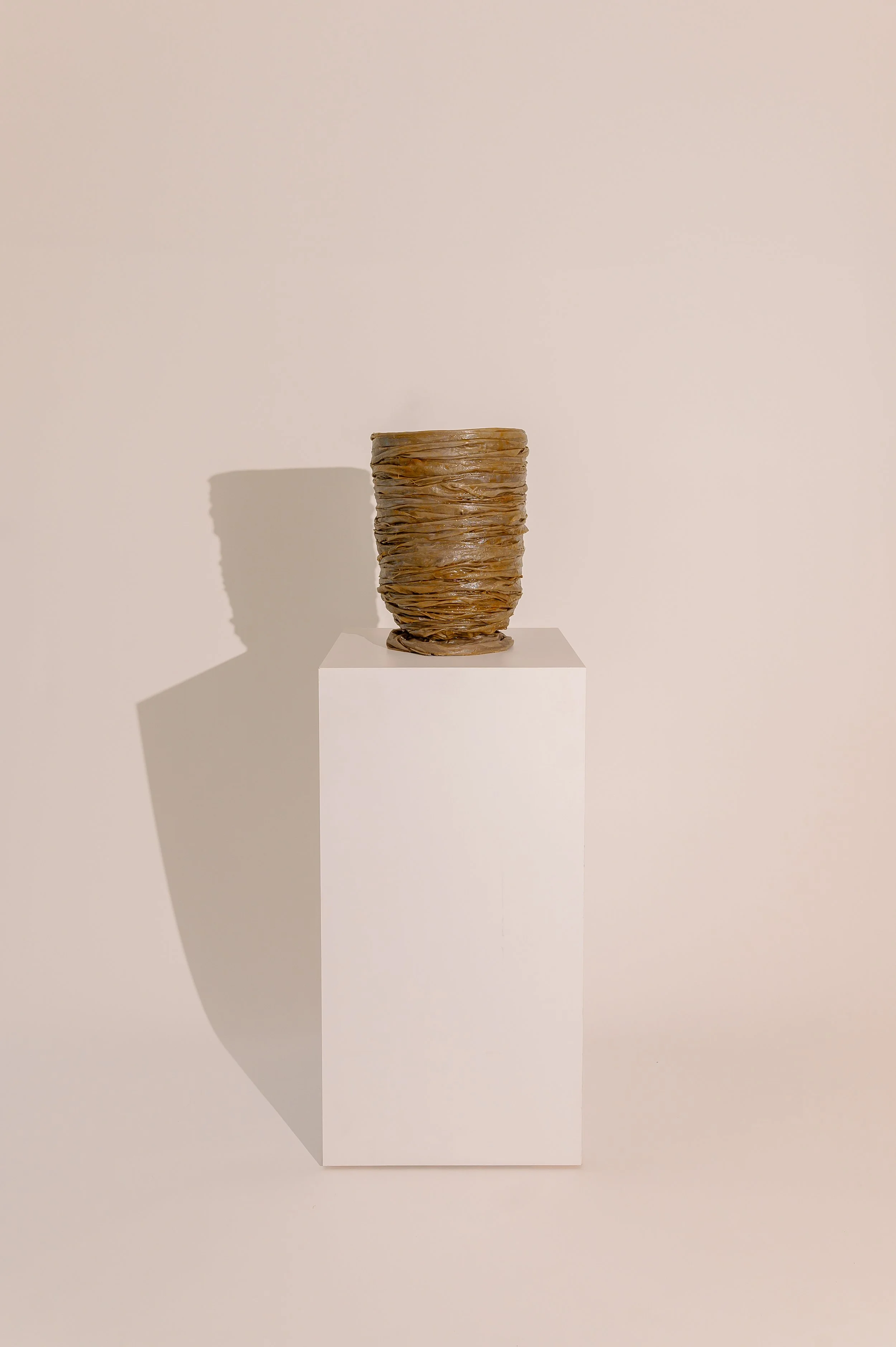
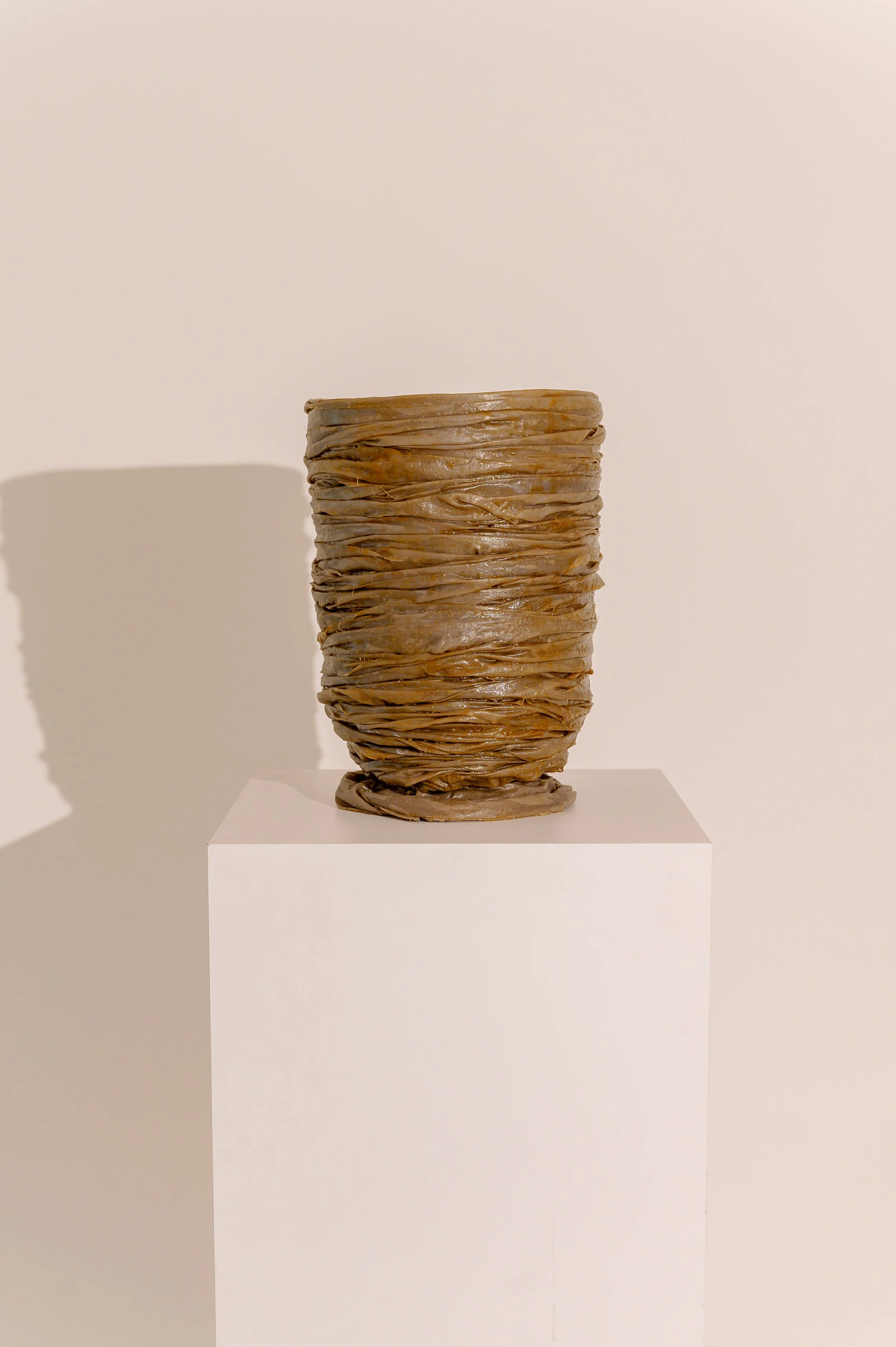
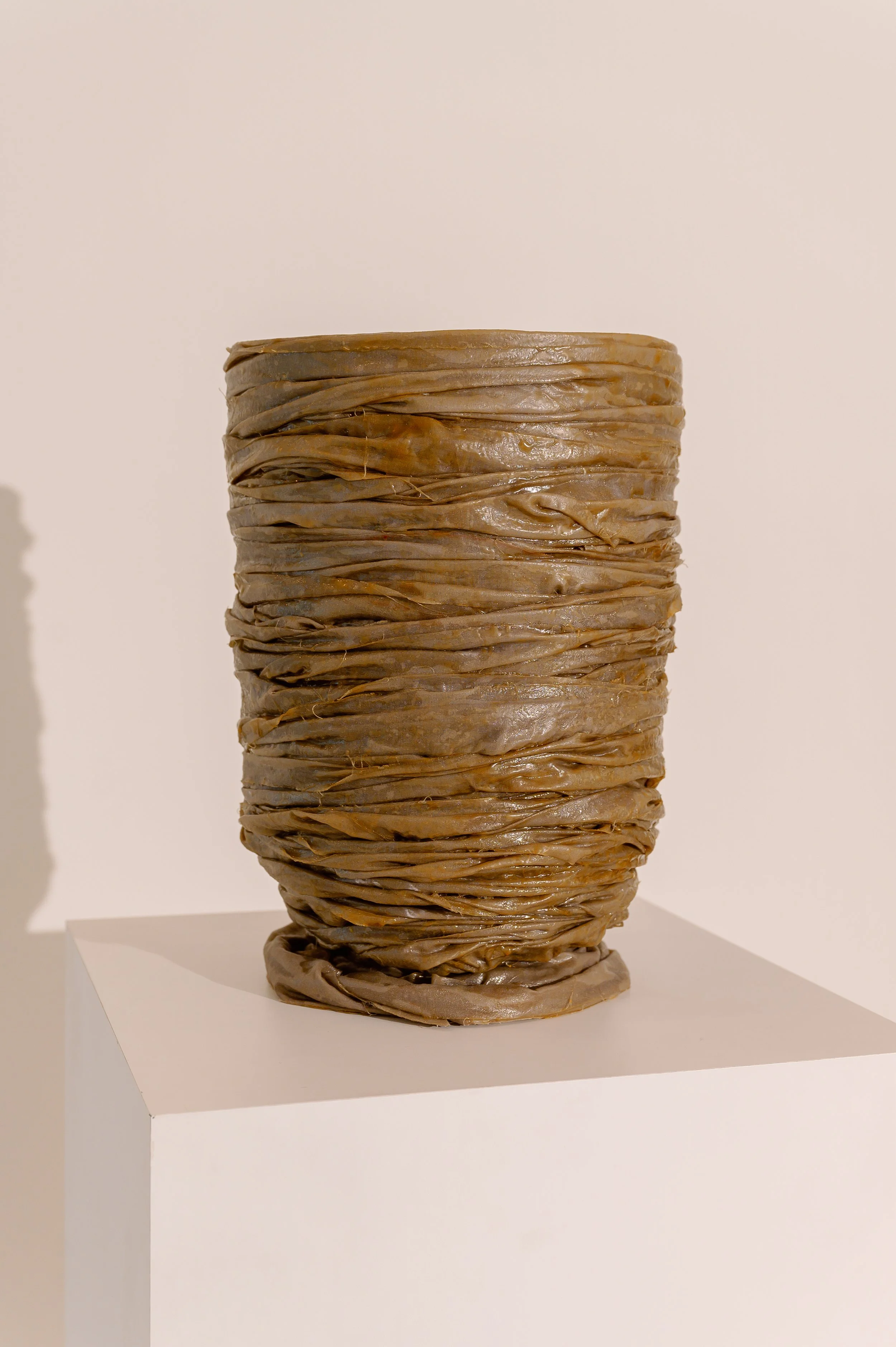
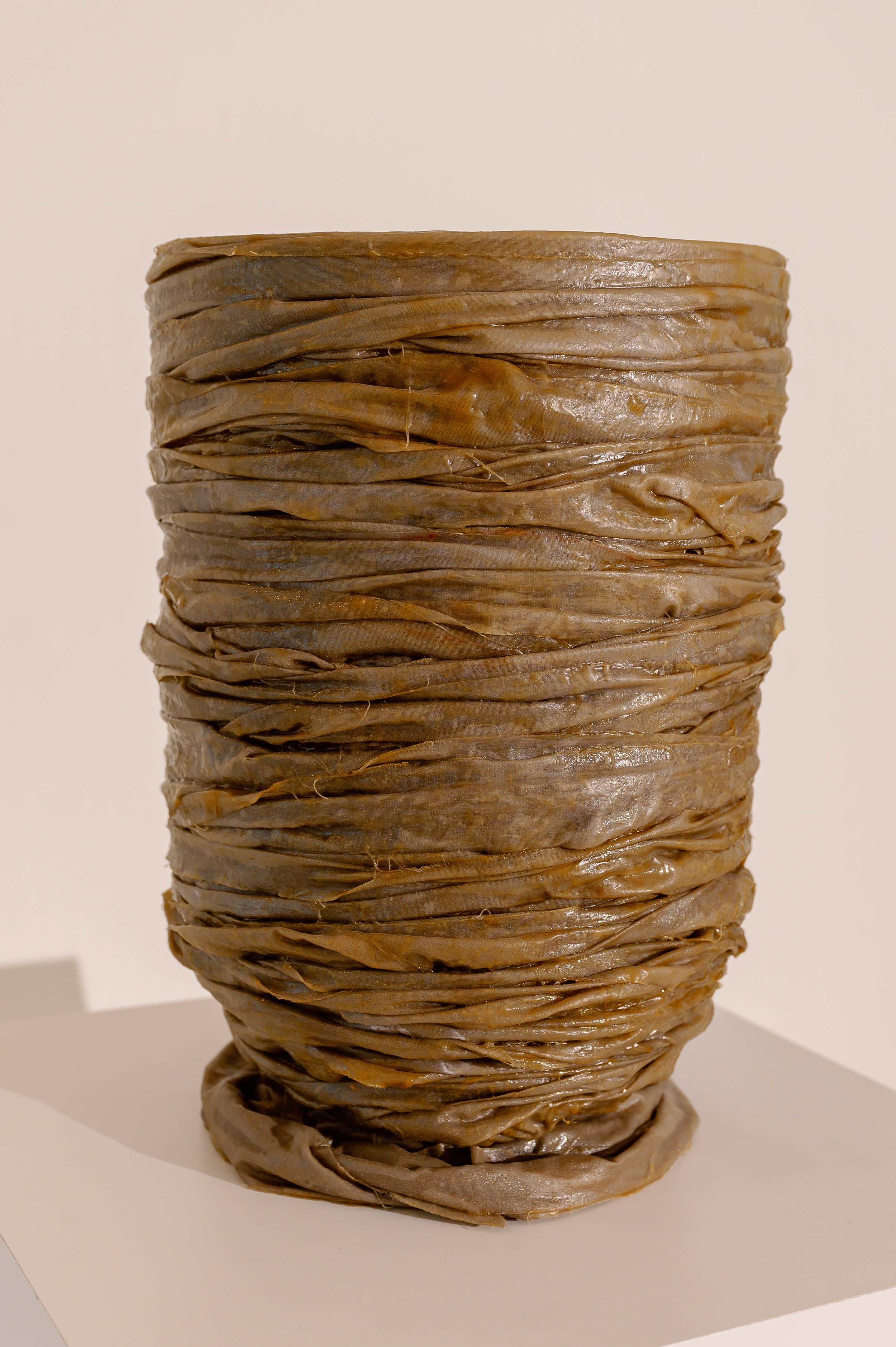
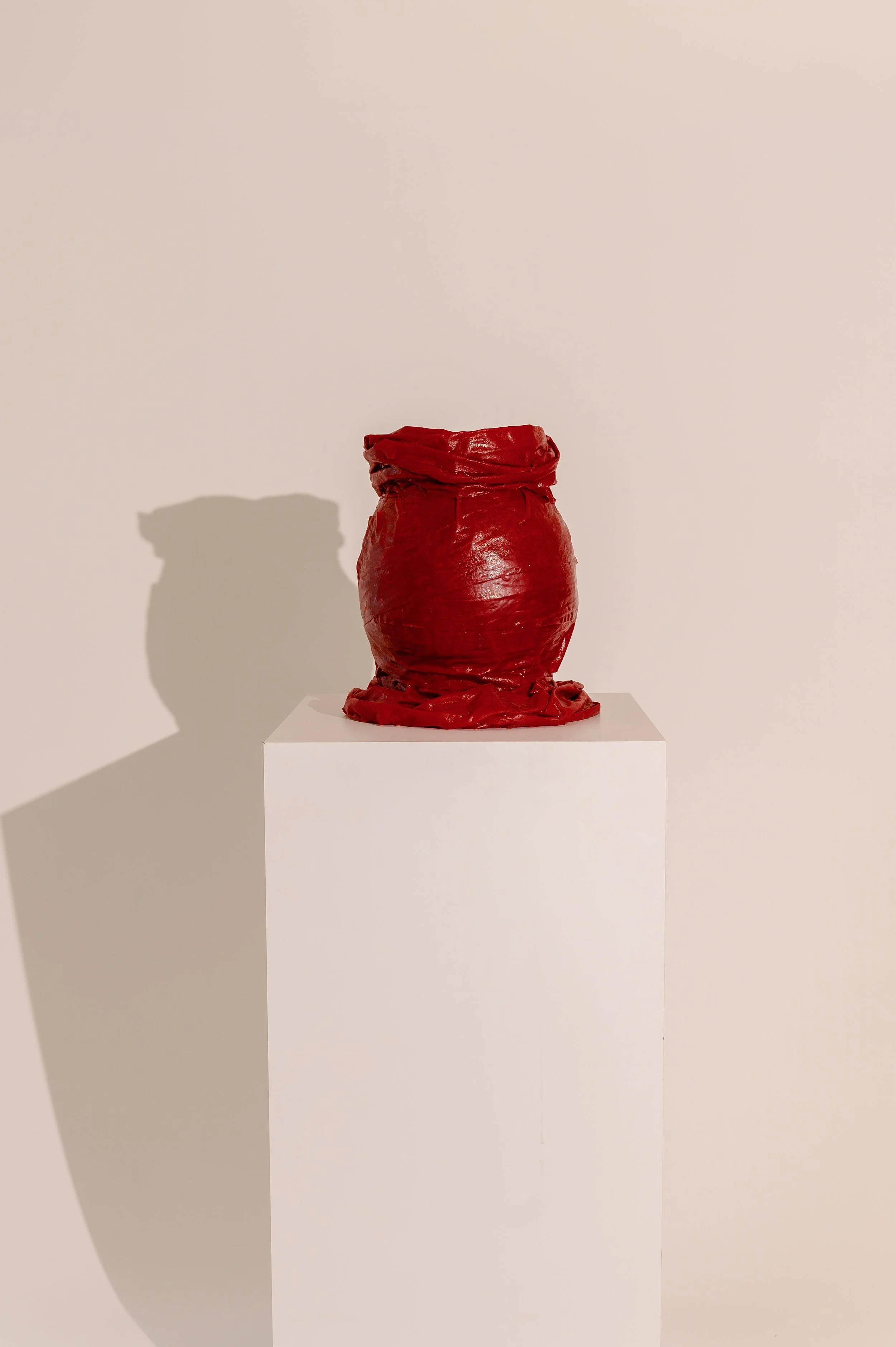
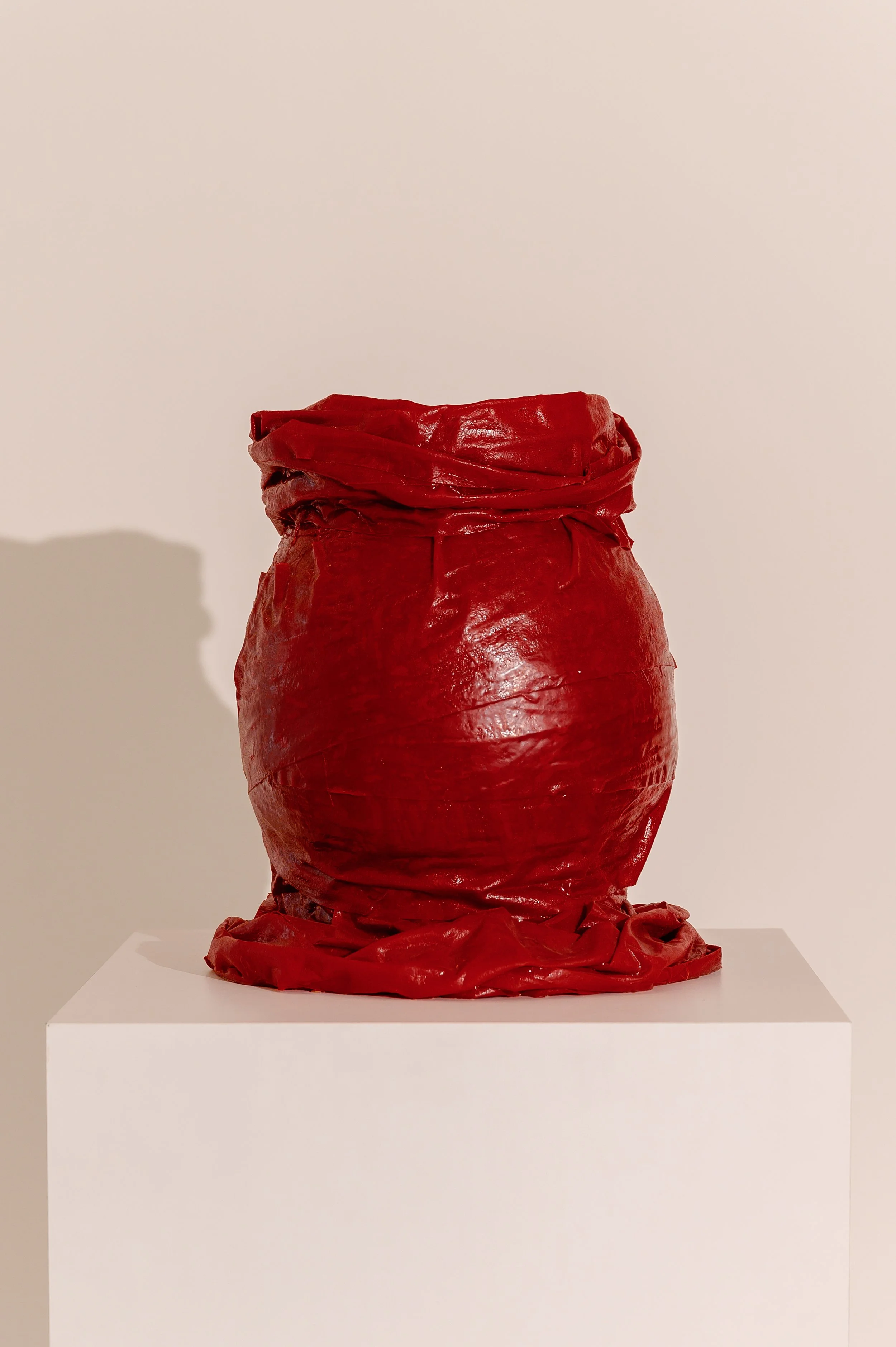
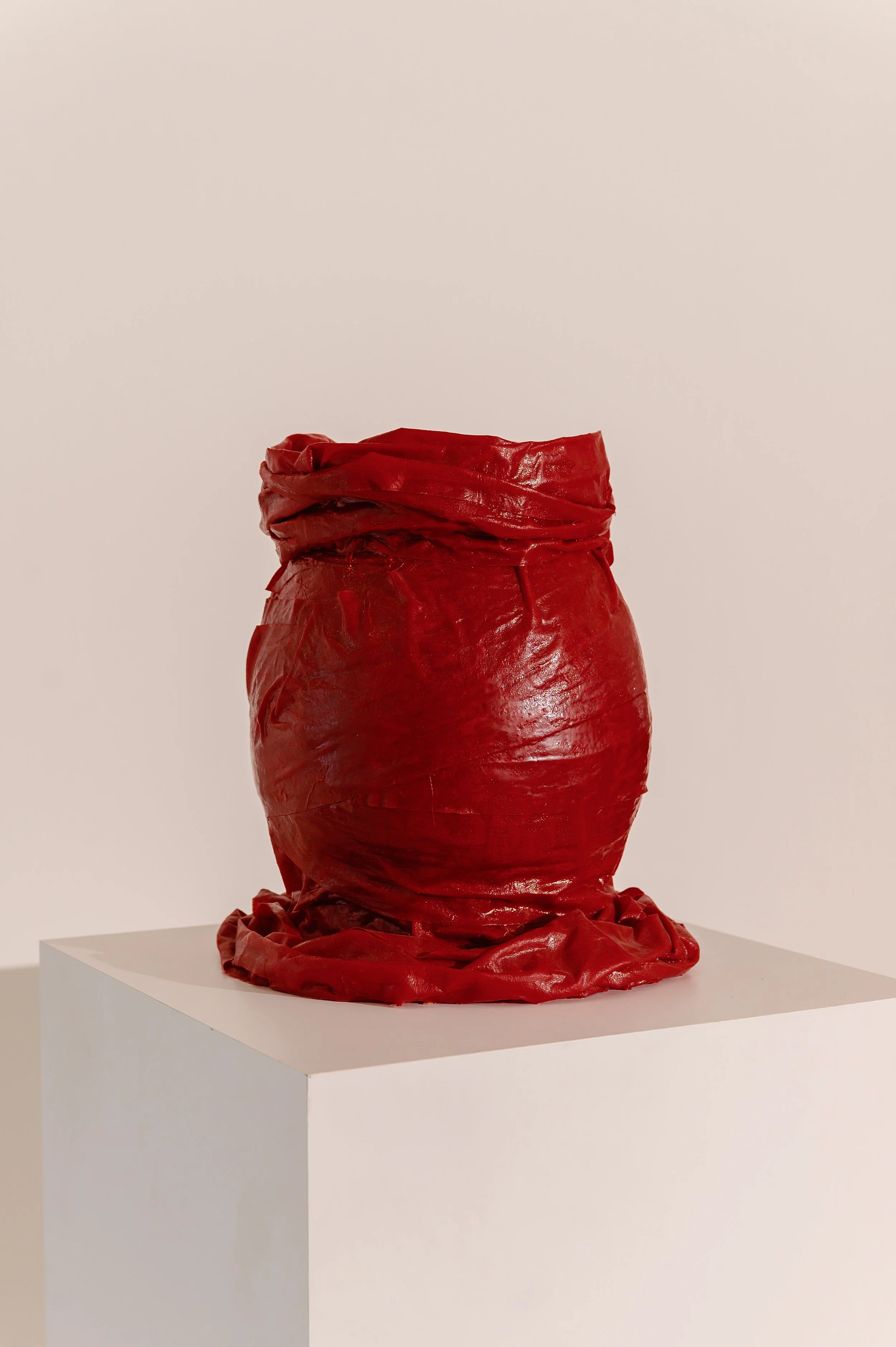
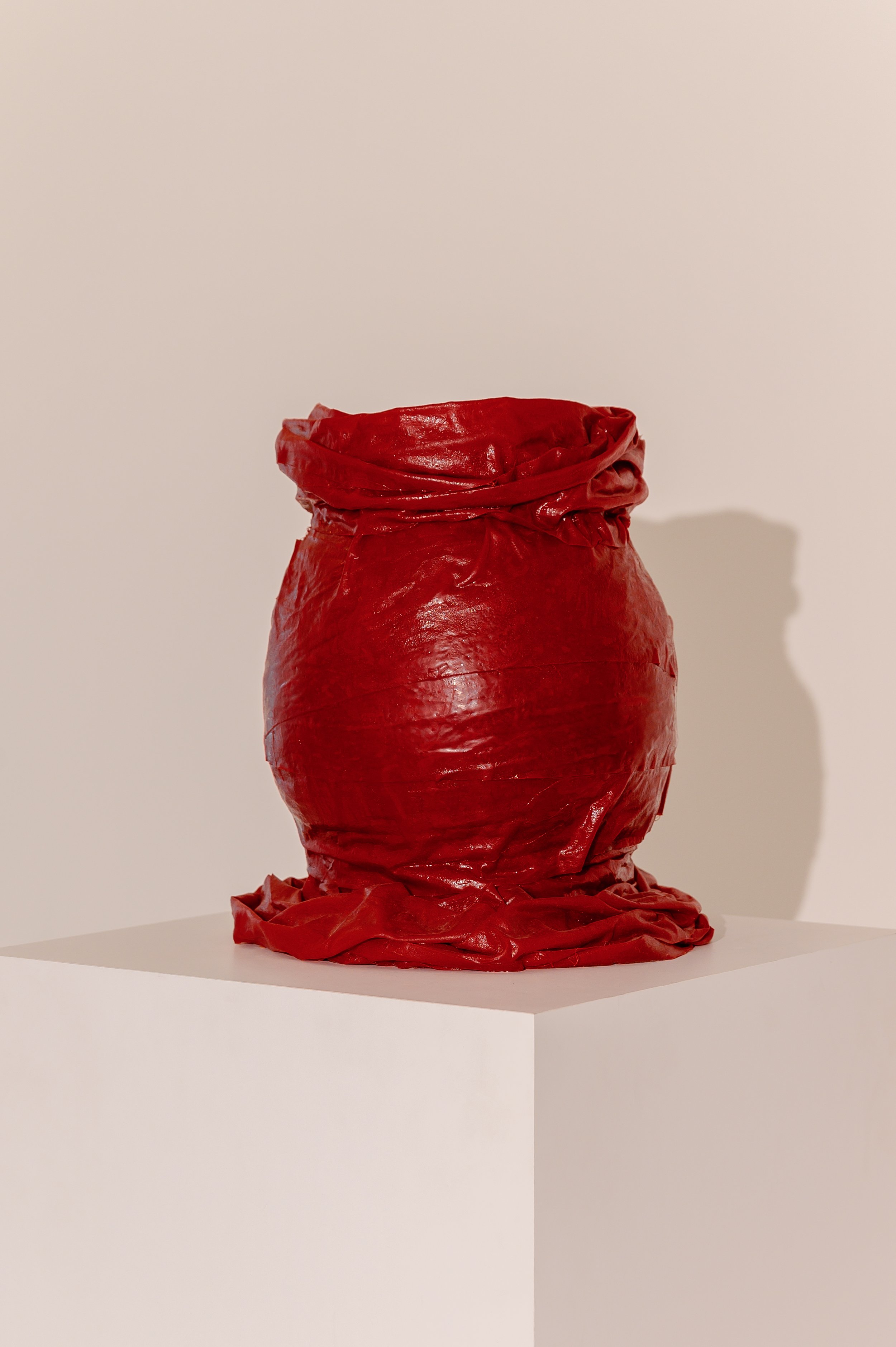
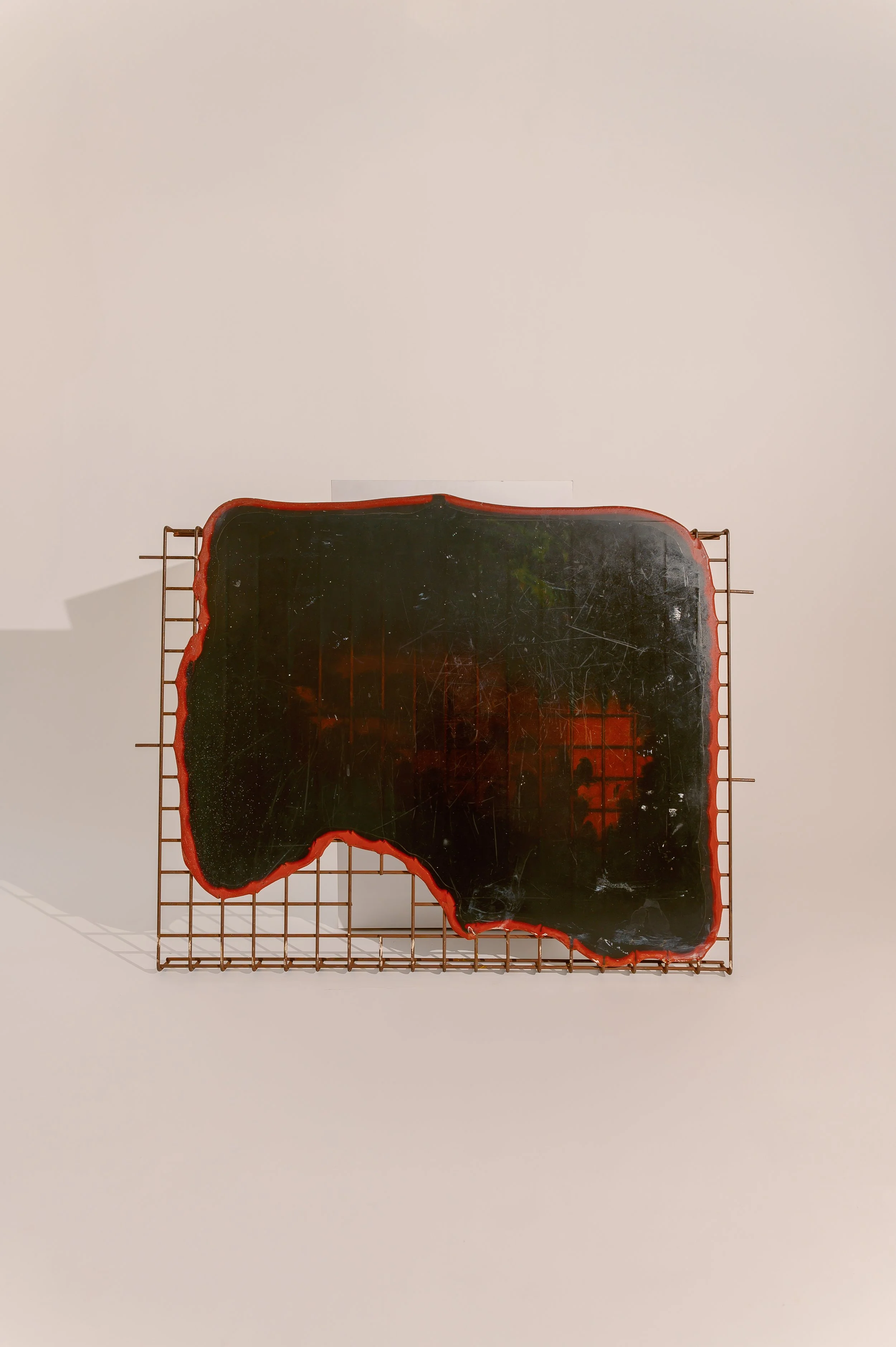
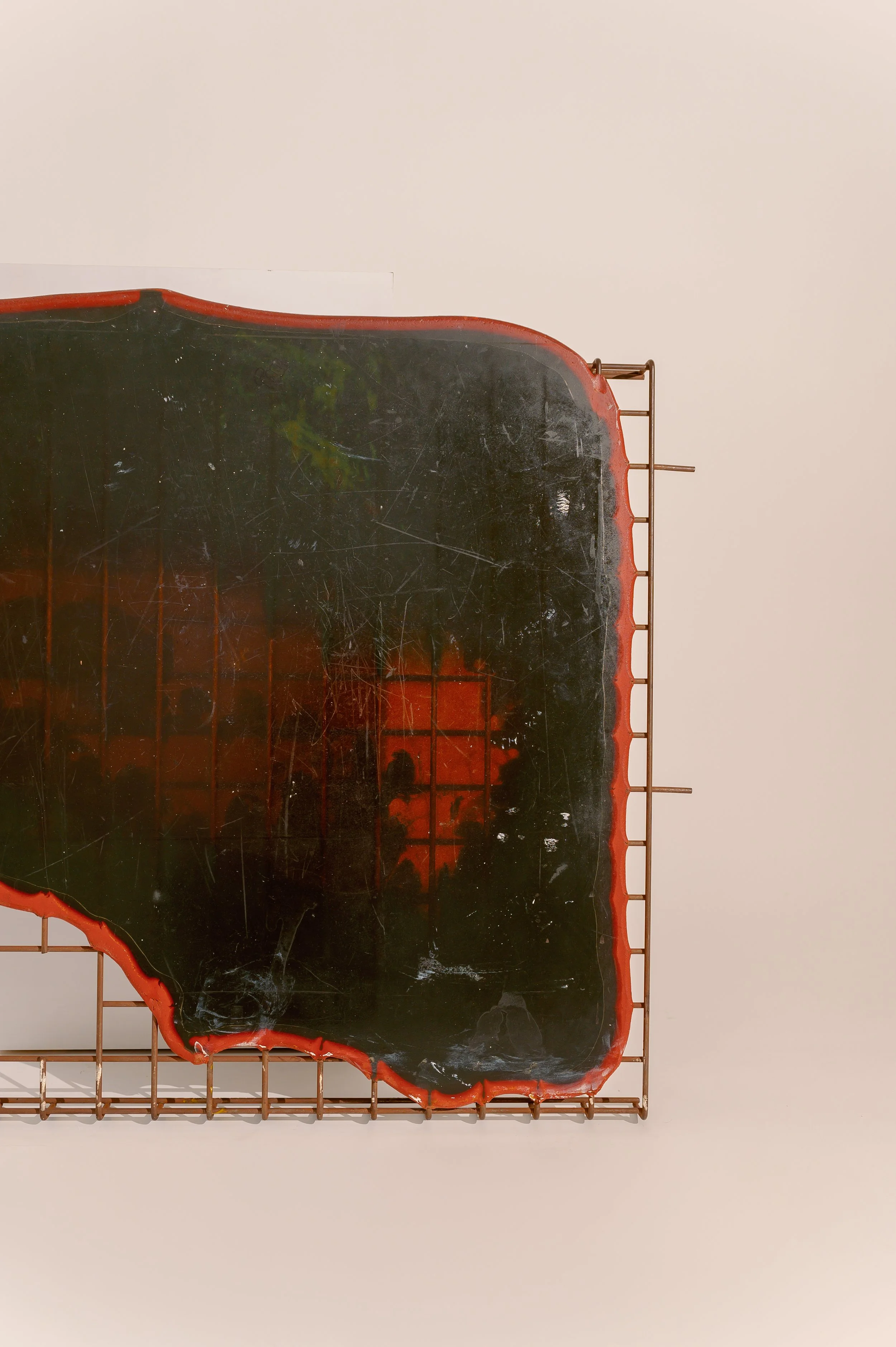
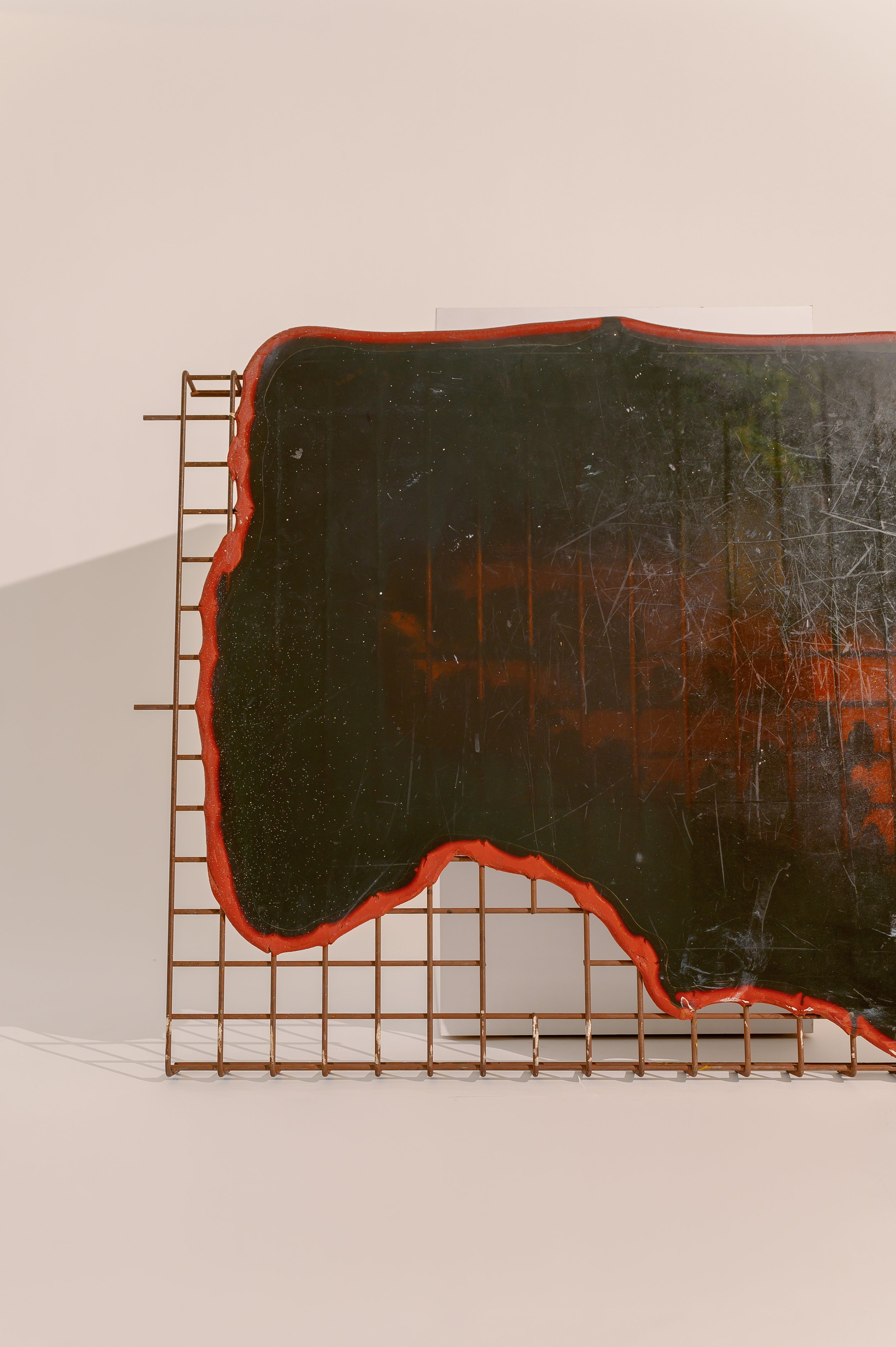
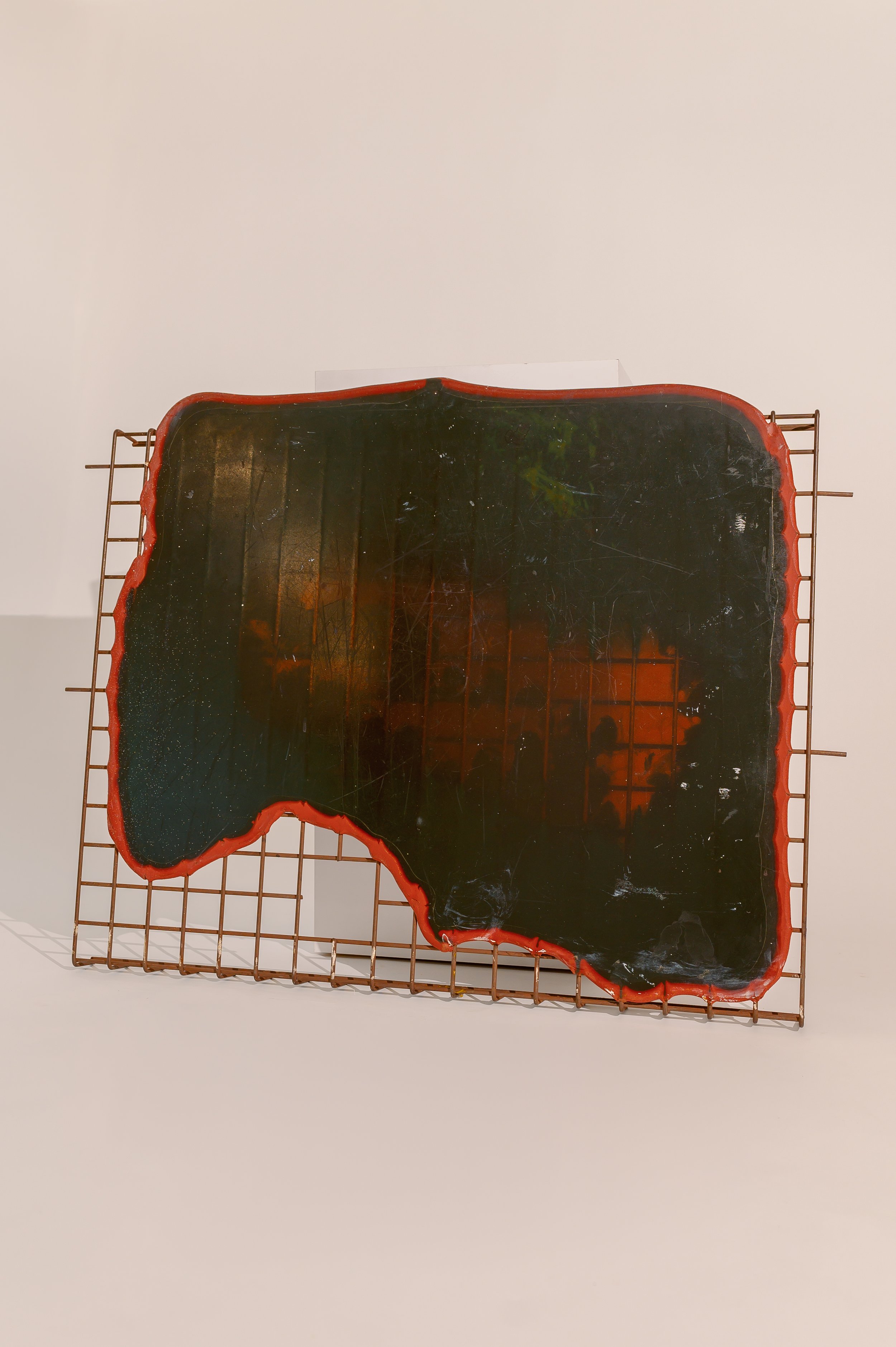
Gaetano Pesce (1939–2024) was an Italian architect and designer whose lesser-known resin works reveal the core of his philosophy: design as a living, emotional, and deeply human act. Beginning in the 1960s, Pesce pioneered the use of poured, pigmented resin to create furniture and objects that embraced irregularity, translucency, and chance. Each piece—often cast by hand—was intentionally non-repeatable, with bubbles, color shifts, and distortions treated not as flaws but as expressions of individuality.
These resin works ranged from cabinets, tables, and lamps to architectural fragments and functional sculptures, blurring the line between industrial design and art. Through resin, Pesce challenged mass production and modernist perfection, proposing instead that objects should age, react, and feel personal—much like the people who use them. Today, these experimental resin pieces are increasingly recognized as some of his most forward-thinking contributions, anticipating contemporary conversations around craft, authorship, and emotional durability in design.
Inquire for pricing info@pdagallery.com

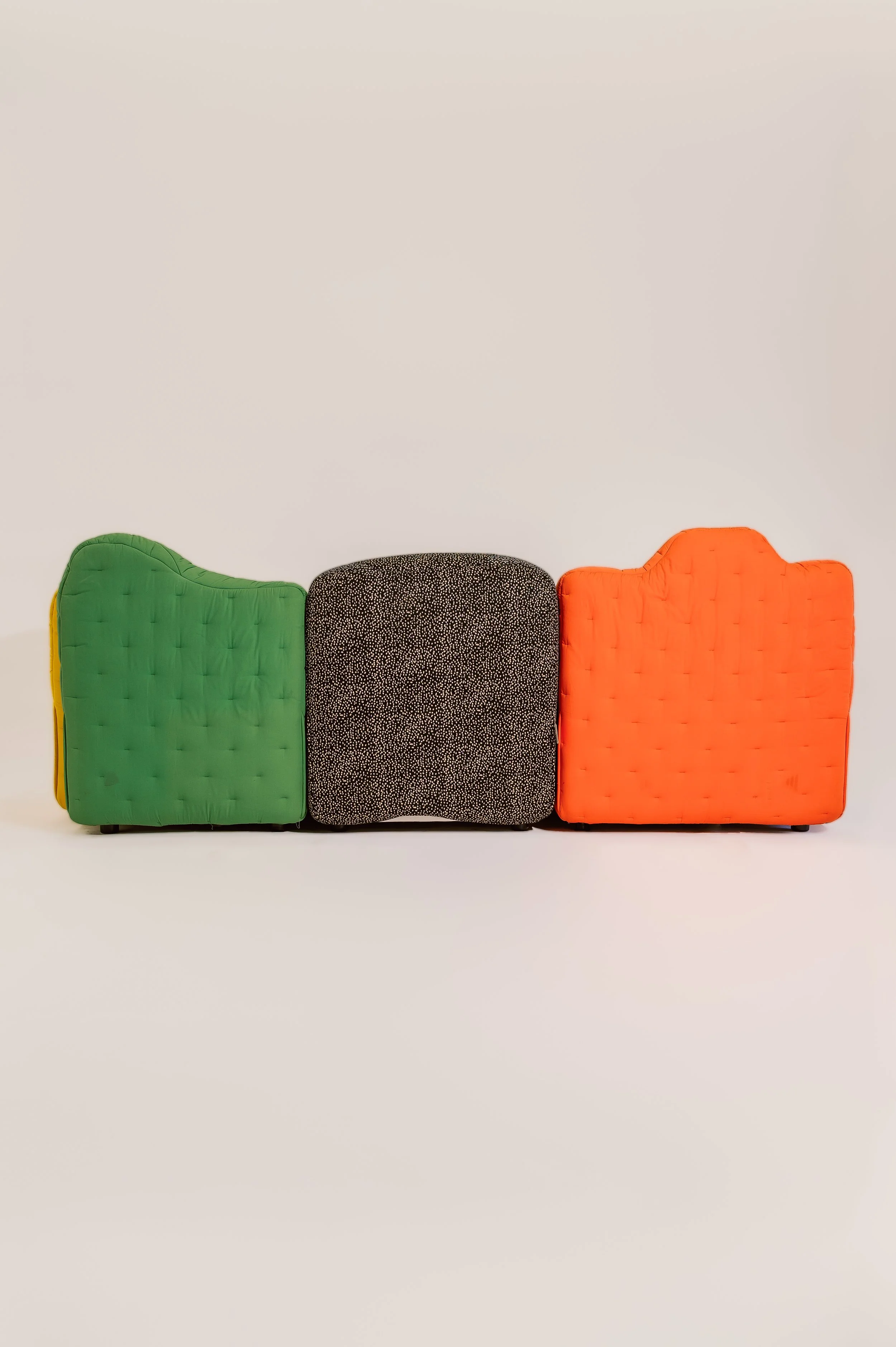
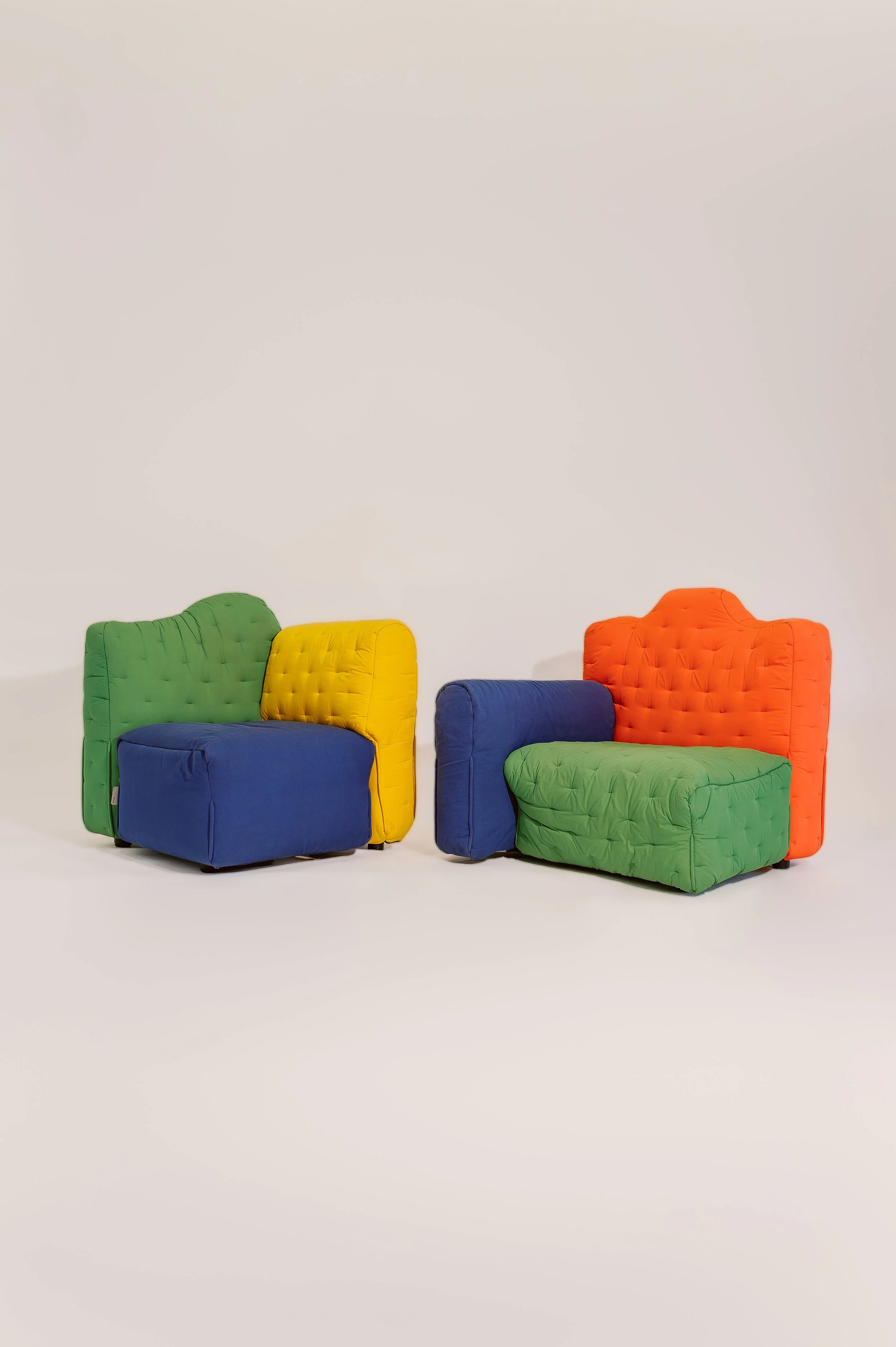



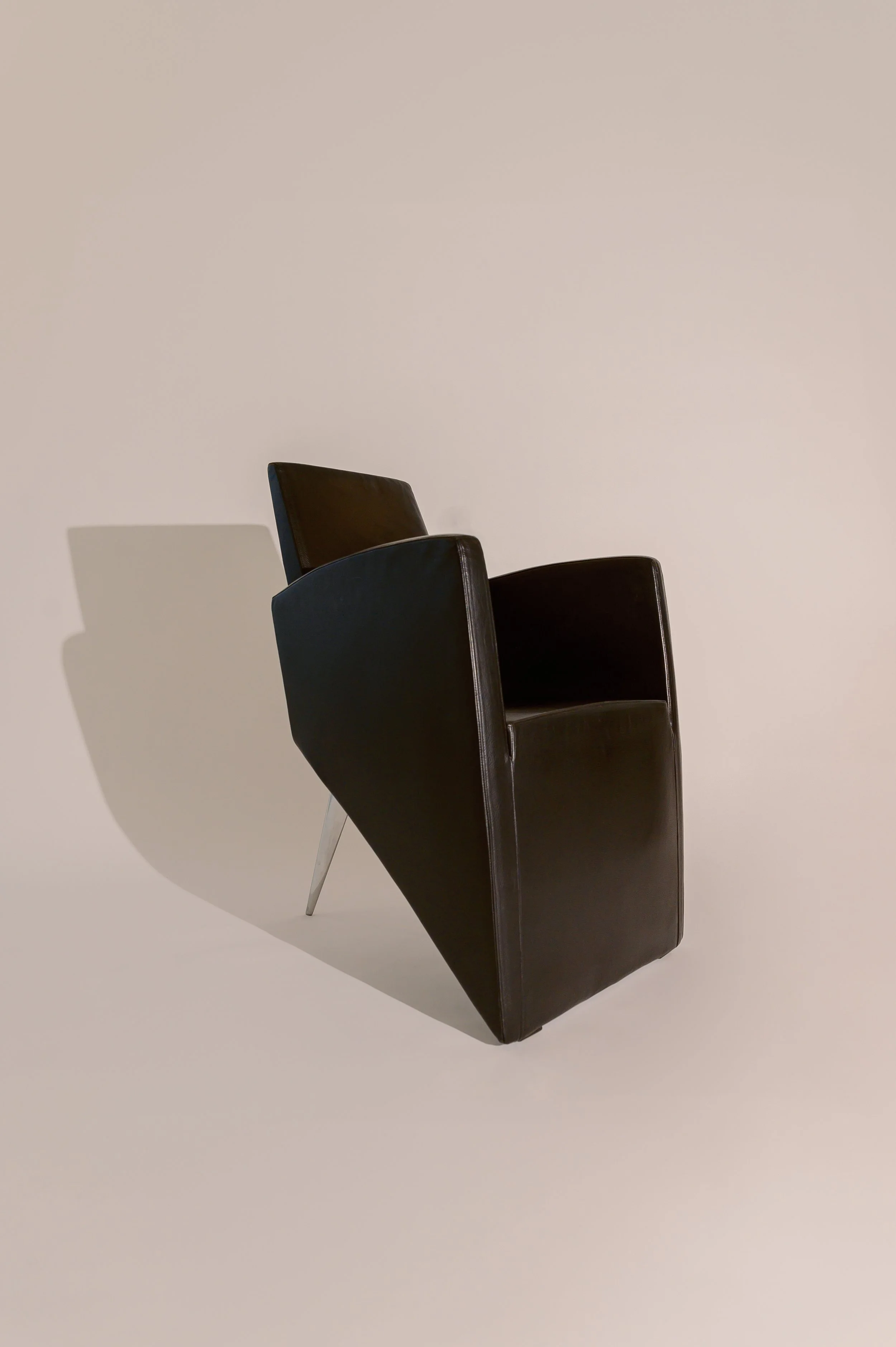
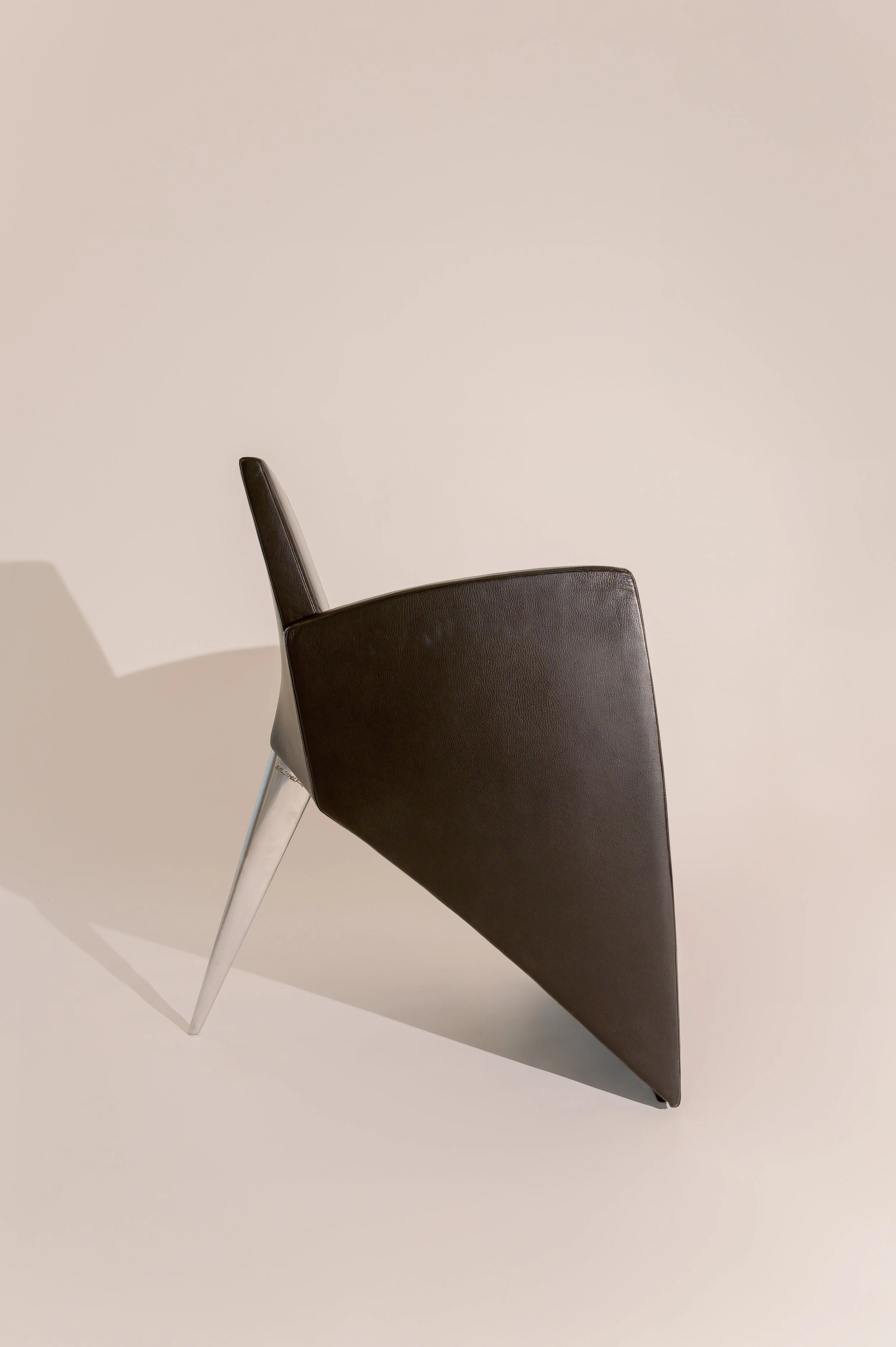
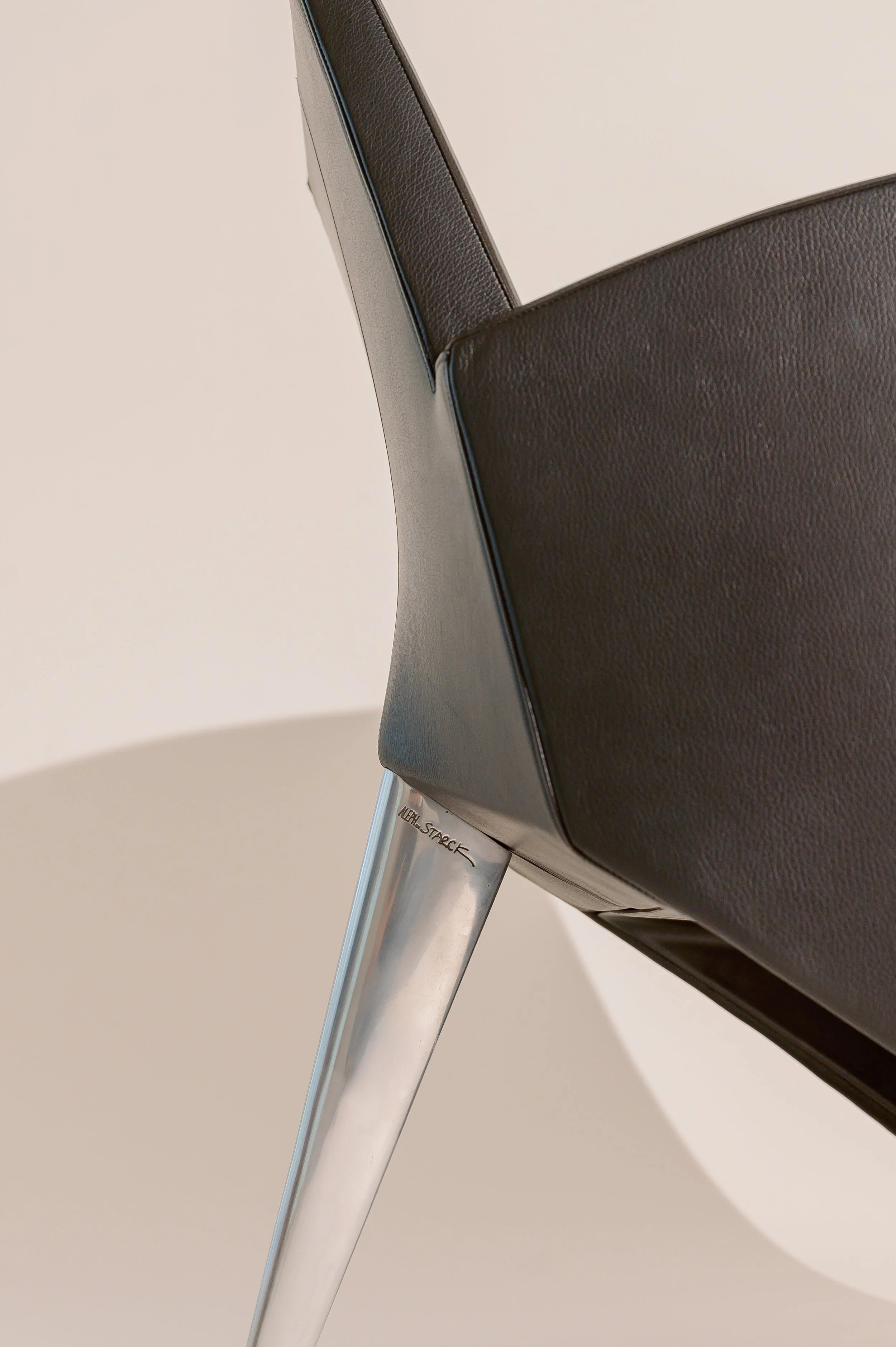
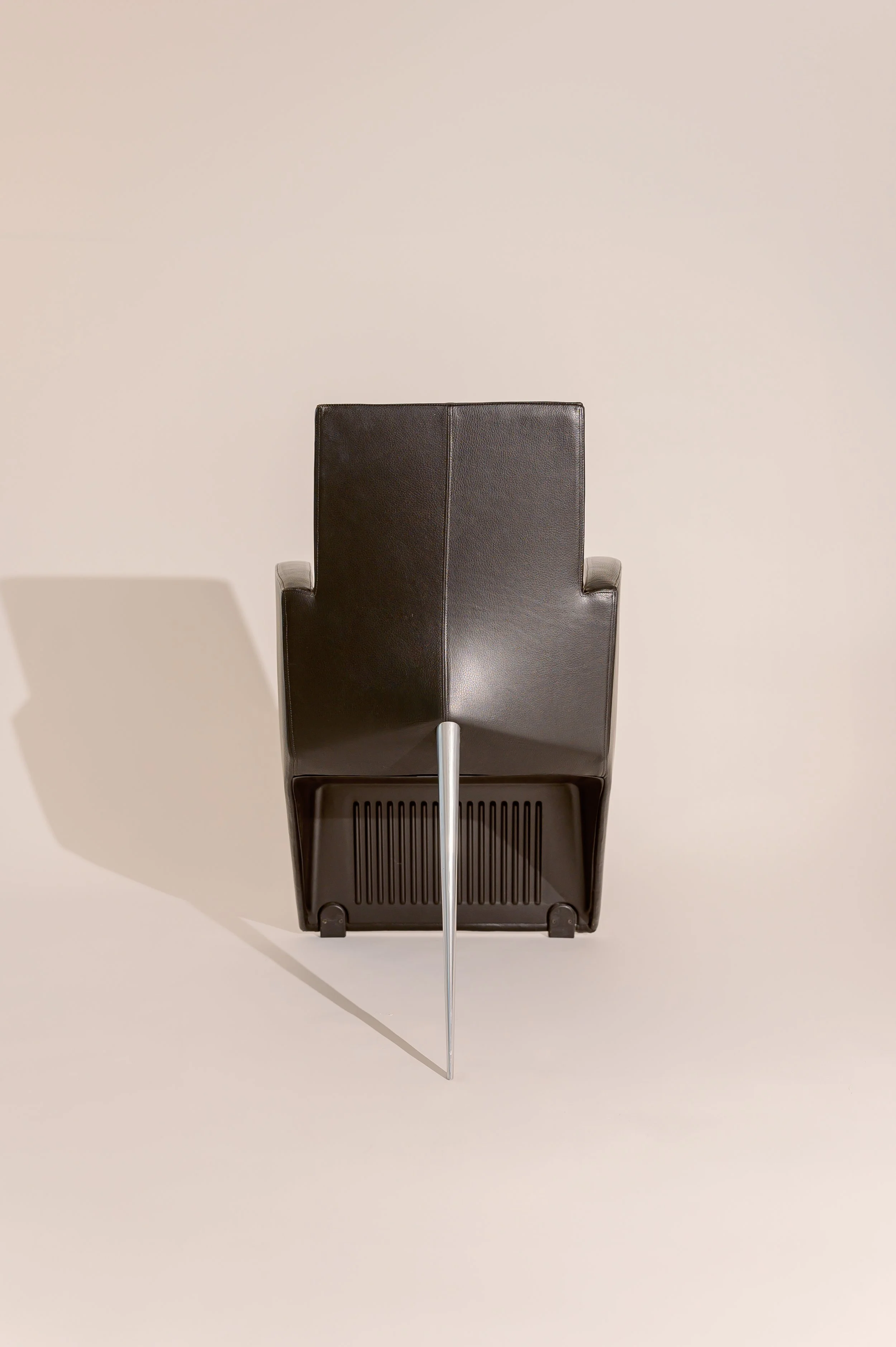
Philippe Starck
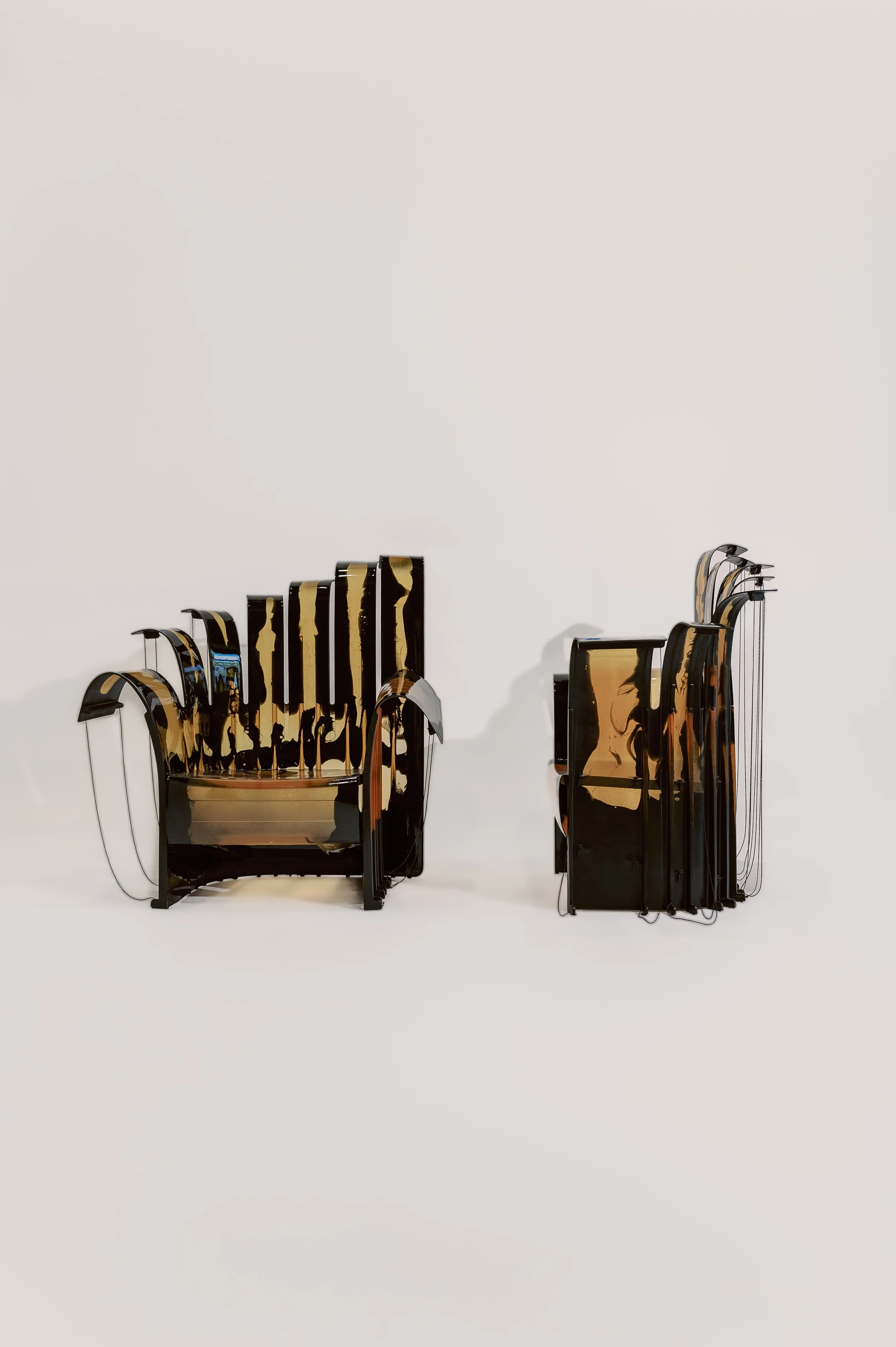
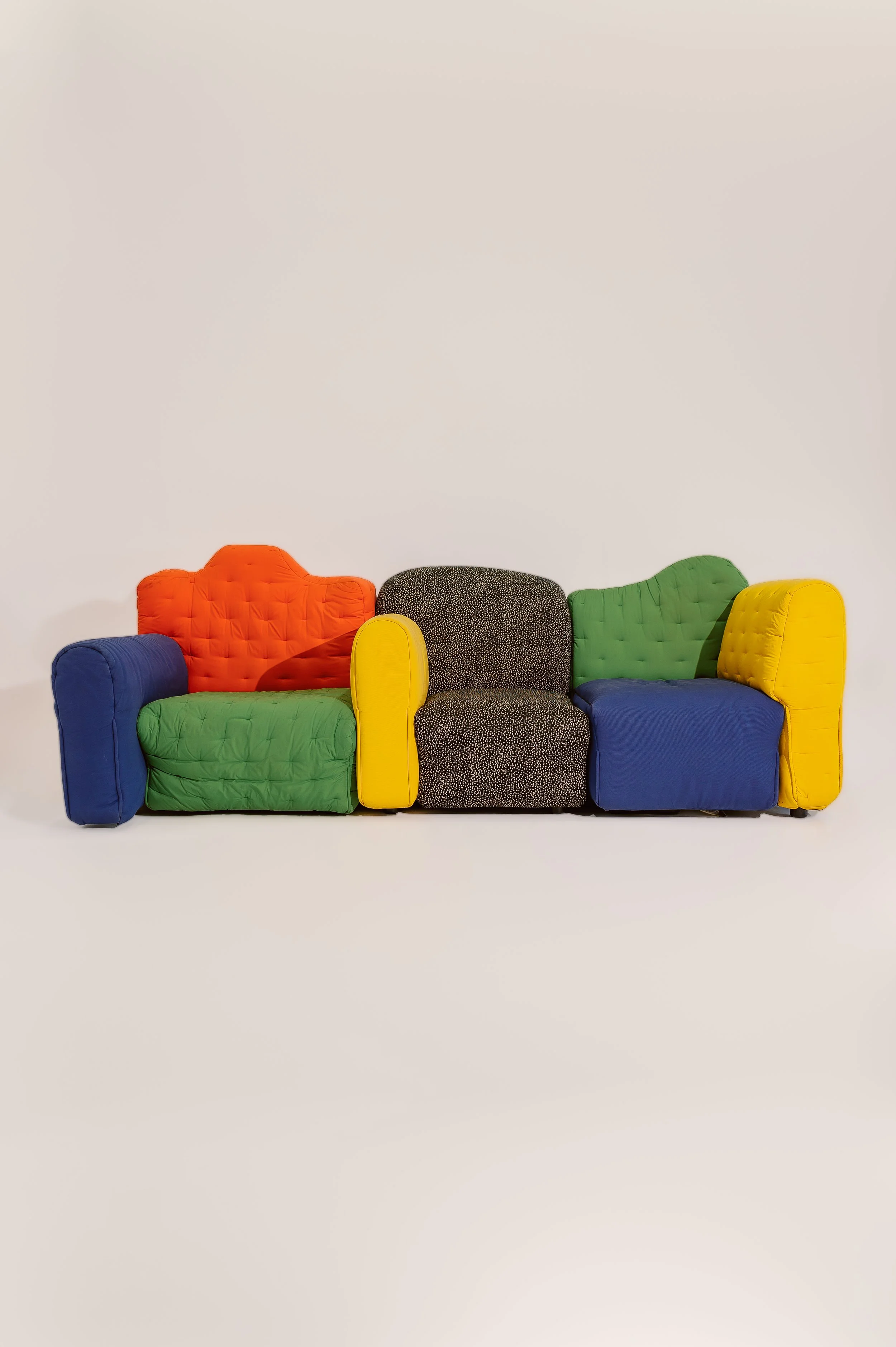
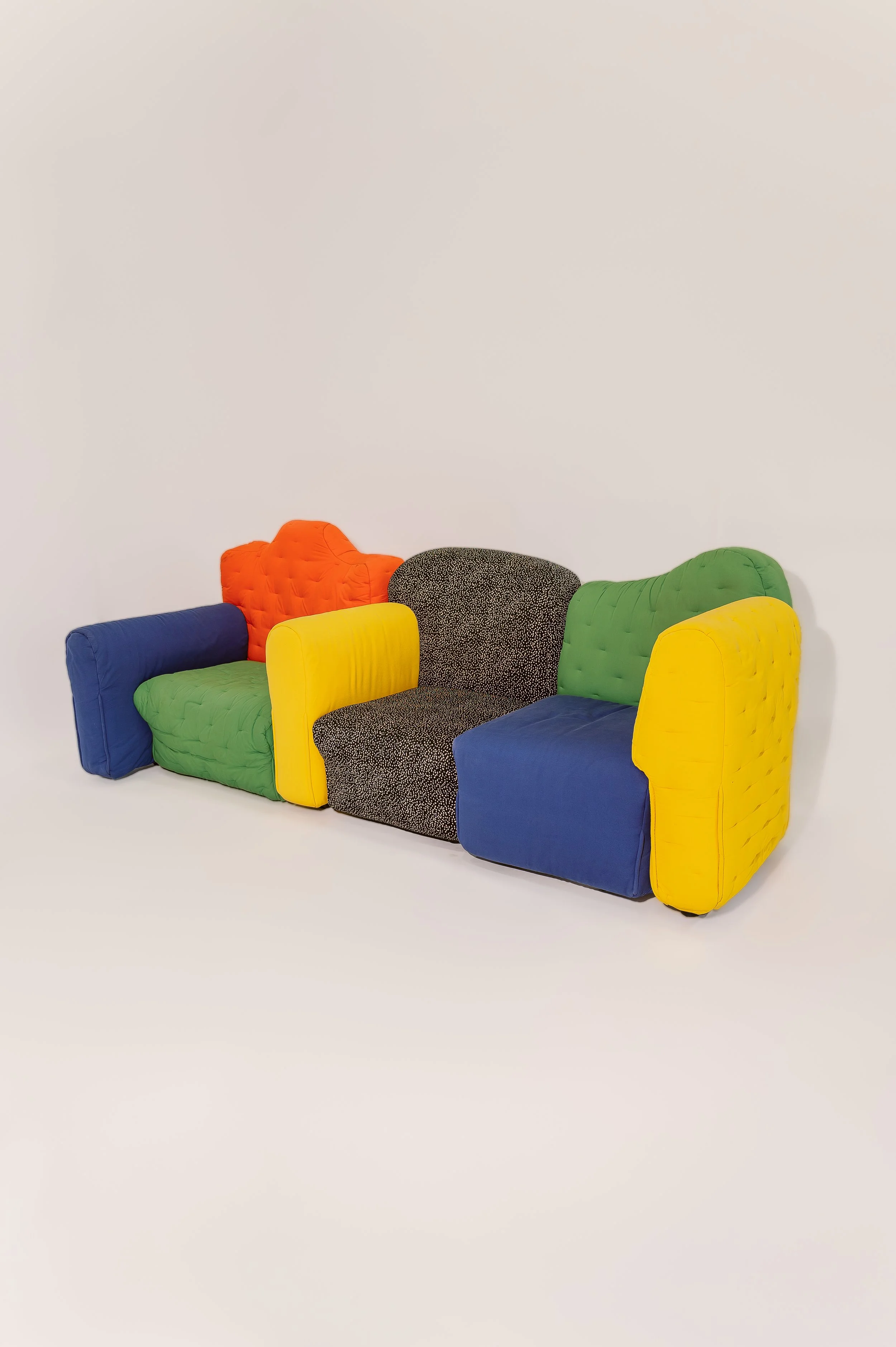
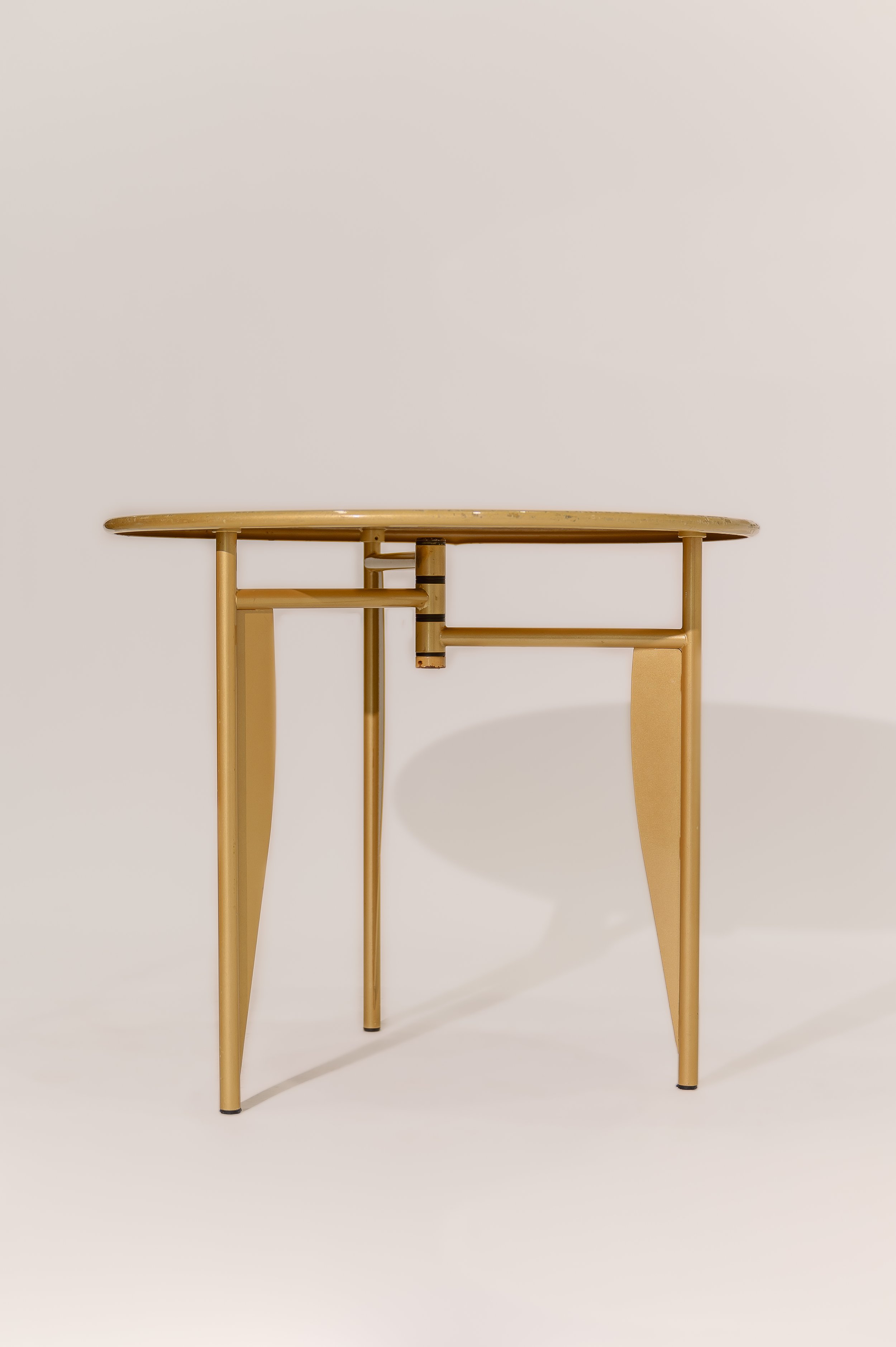
Philippe Starck (b. 1949) is a French designer renowned for reshaping contemporary design through wit, provocation, and radical accessibility. Working across furniture, product design, interiors, architecture, and hospitality, Starck is best known for iconic objects such as the Juicy Salif citrus squeezer and the Louis Ghost chair—pieces that merge humor, industrial innovation, and mass appeal.
At the core of Starck’s philosophy is the belief that design should improve everyday life. He consistently challenges luxury conventions, advocating for democratic design that is intelligent, sustainable, and emotionally engaging. From landmark hotels and restaurants to household objects produced at global scale, Starck’s work blurs the boundaries between high design and popular culture, making him one of the most influential and recognizable figures in modern design.
Inquire for pricing info@pdagallery.com
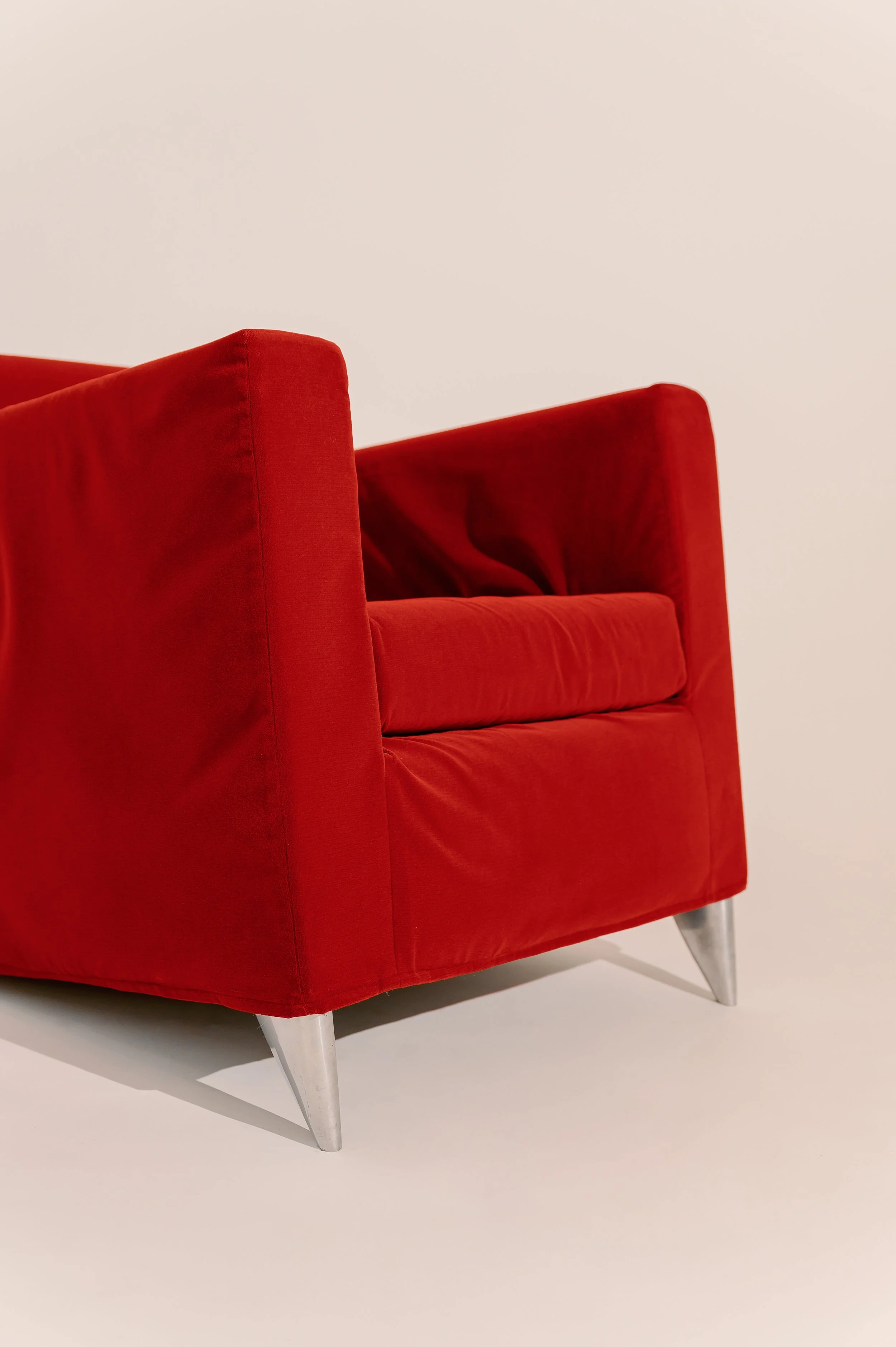
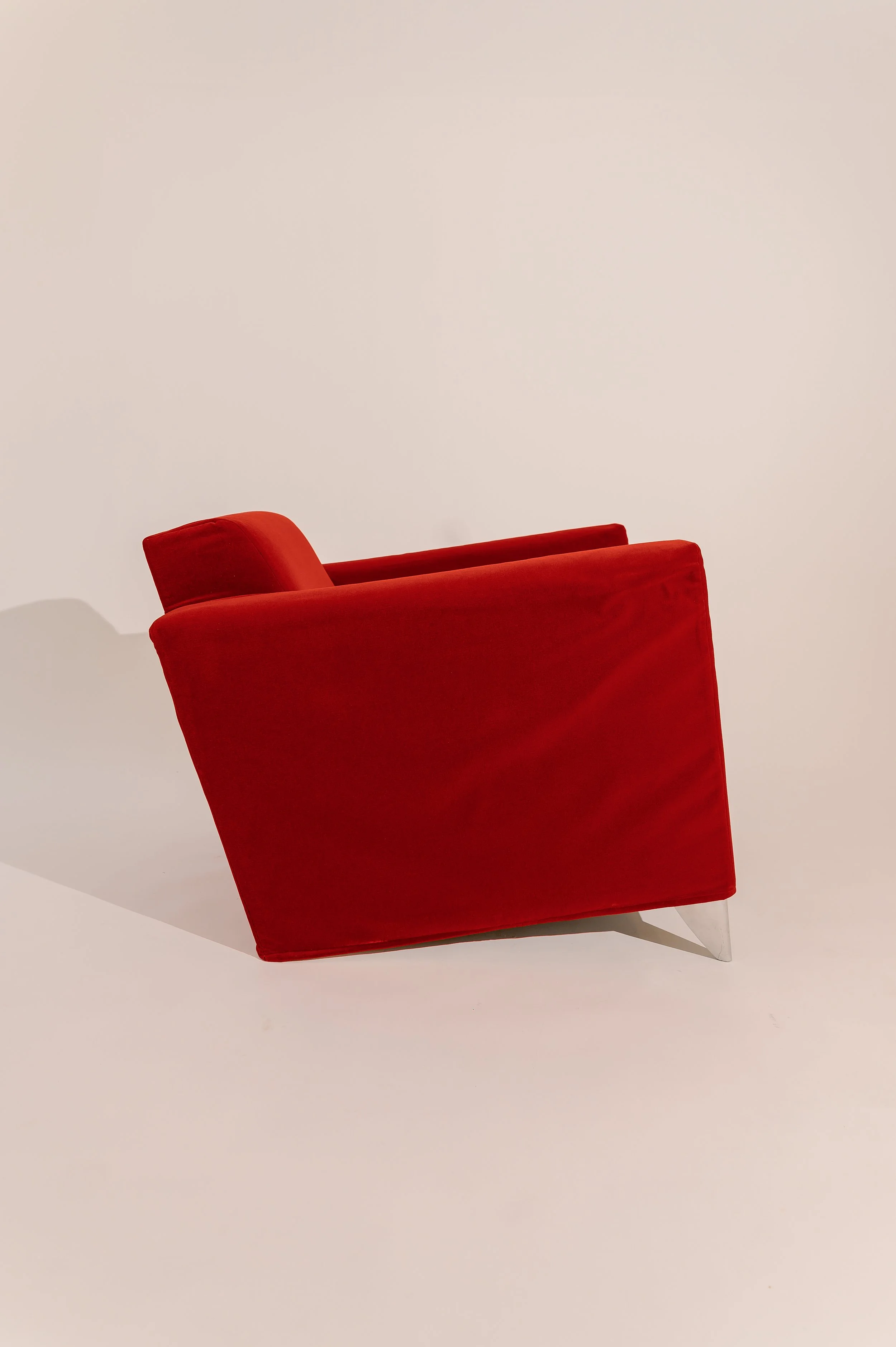
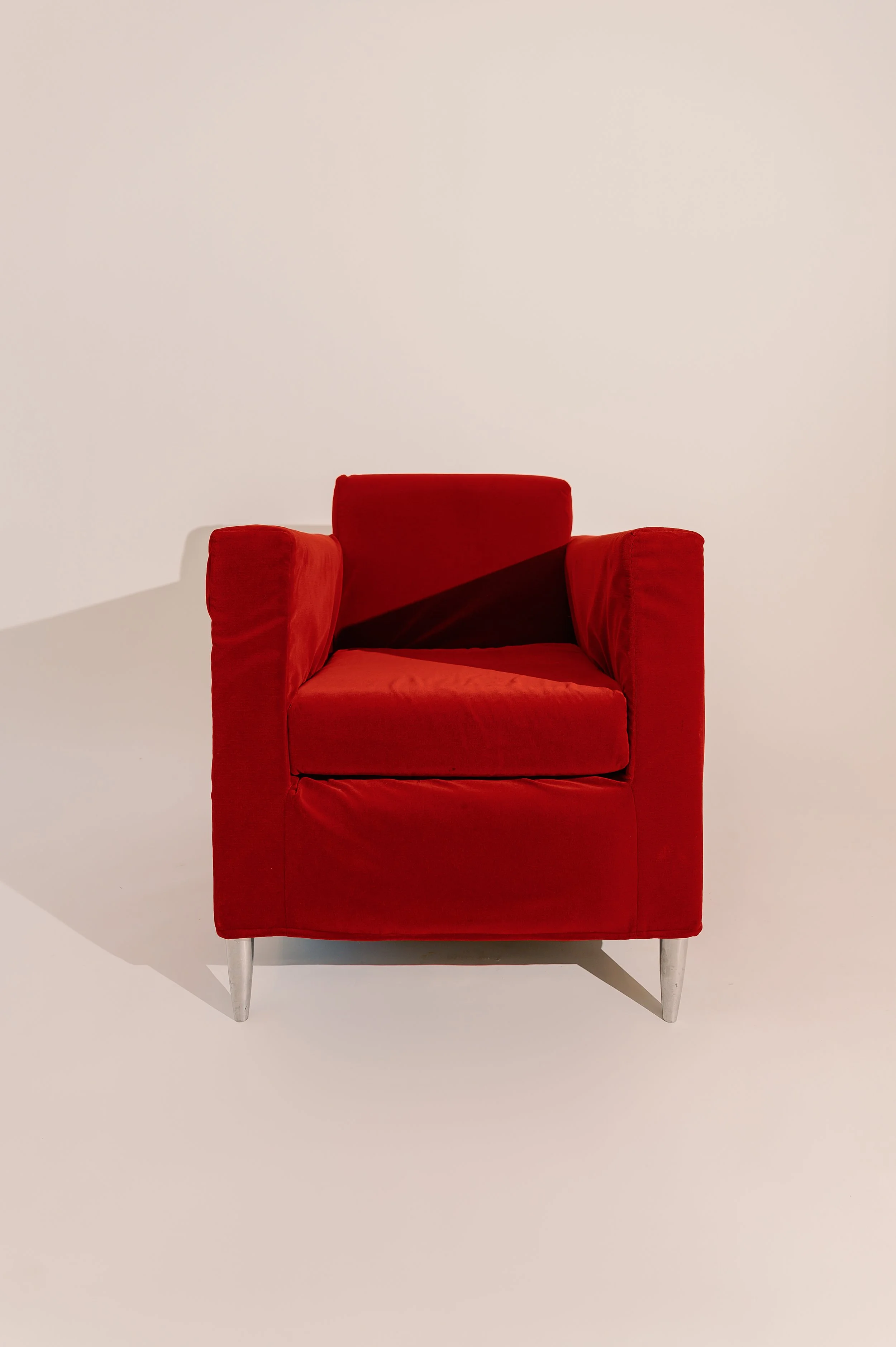
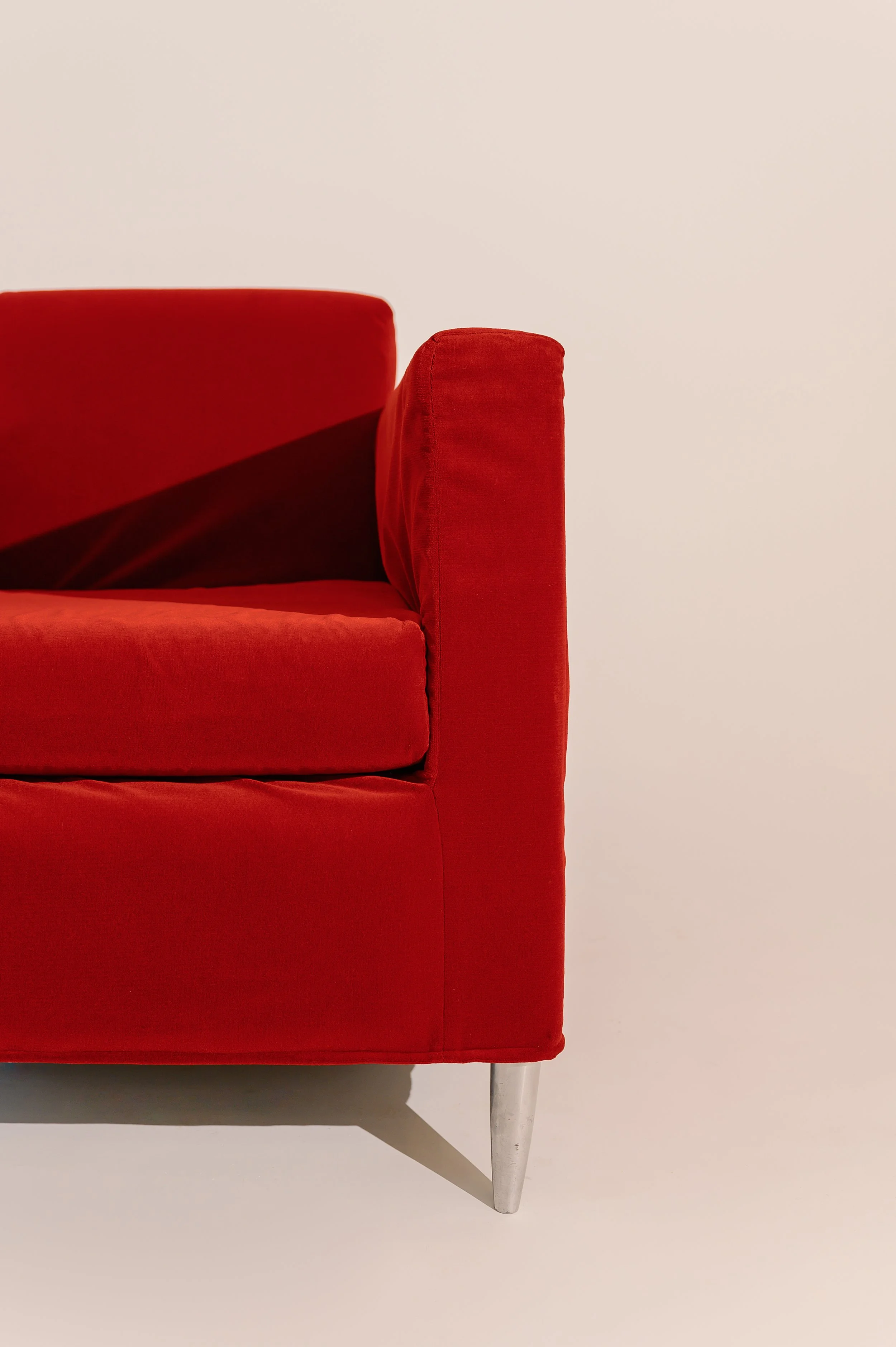
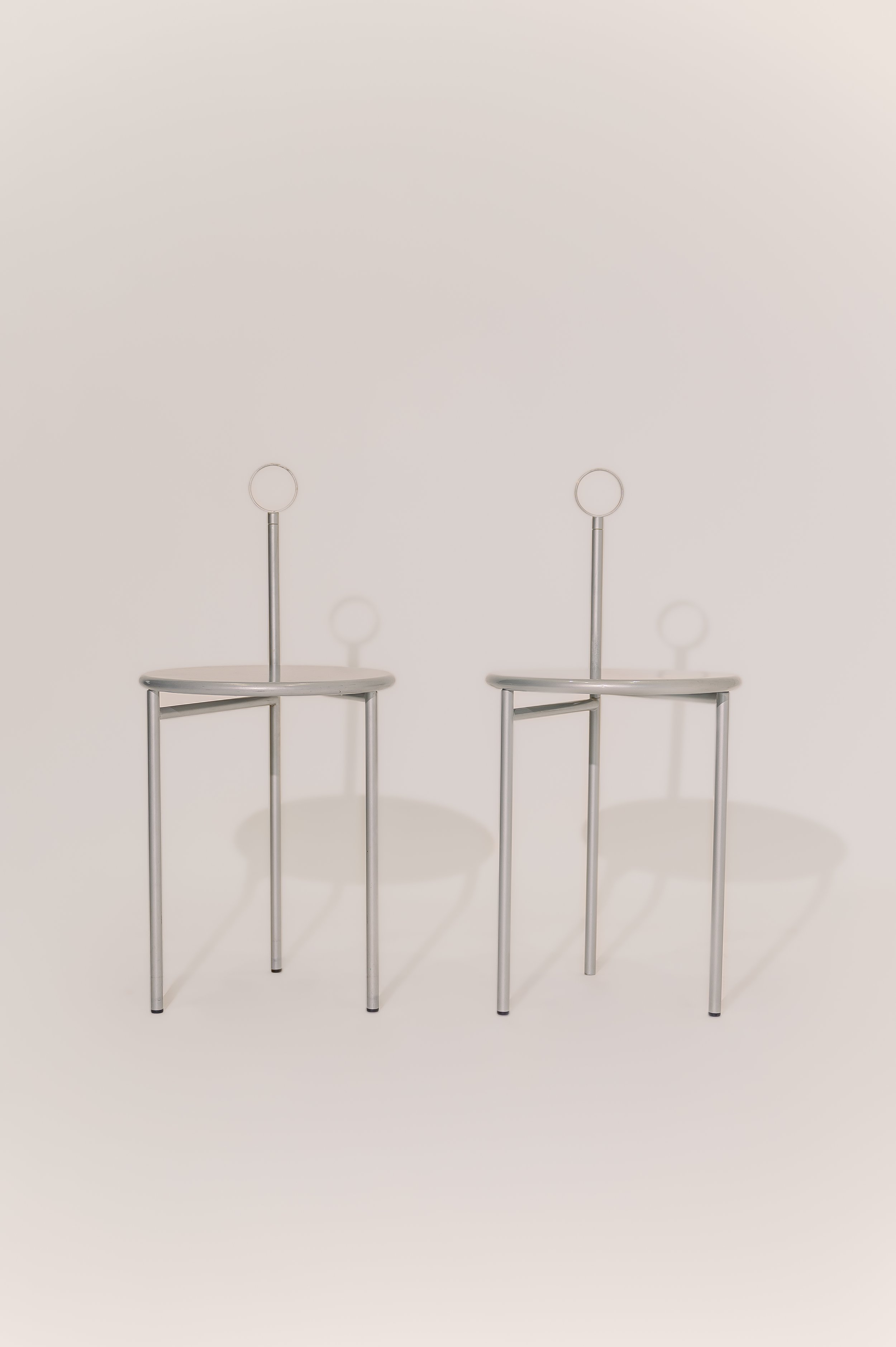
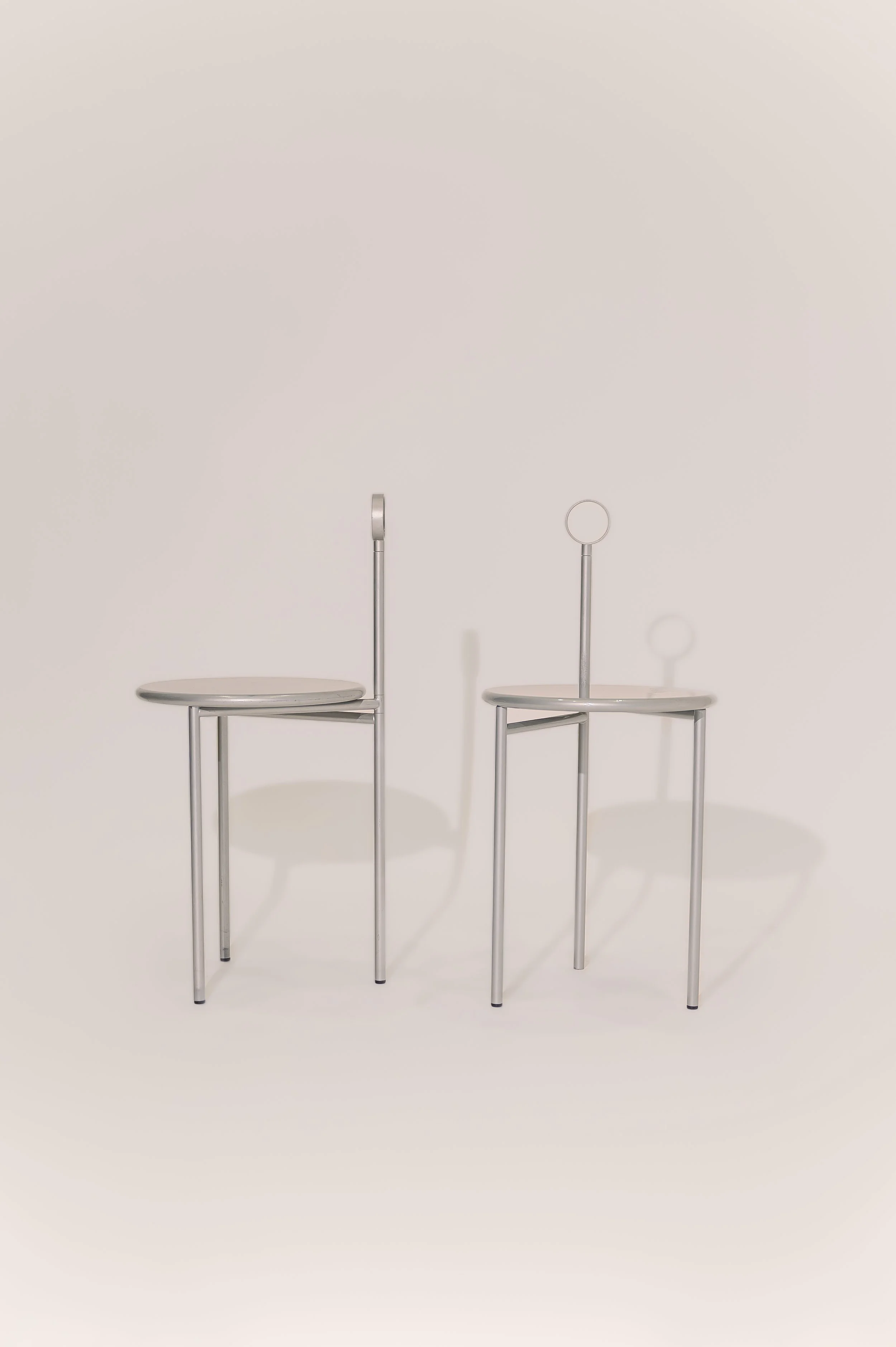
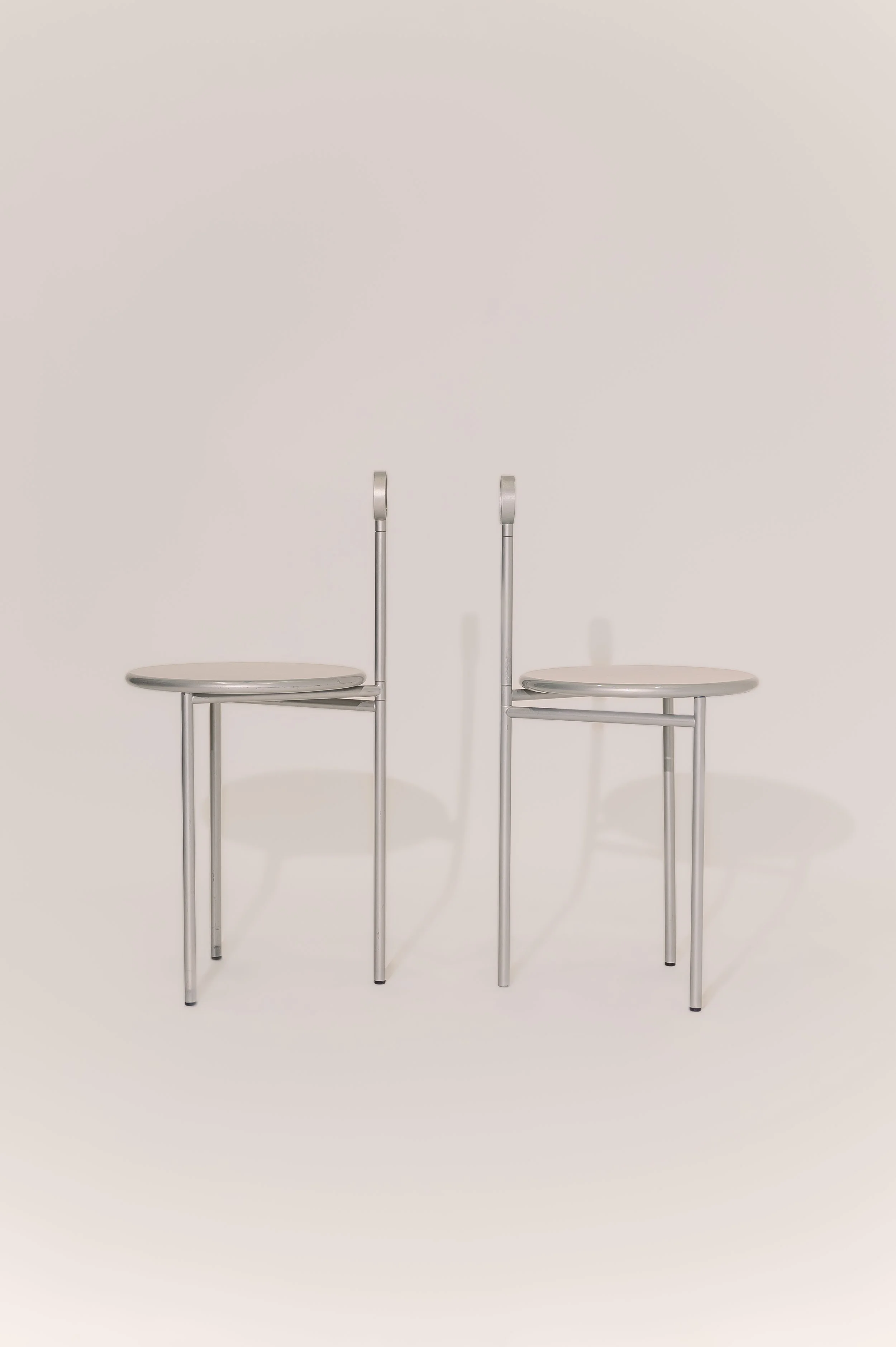
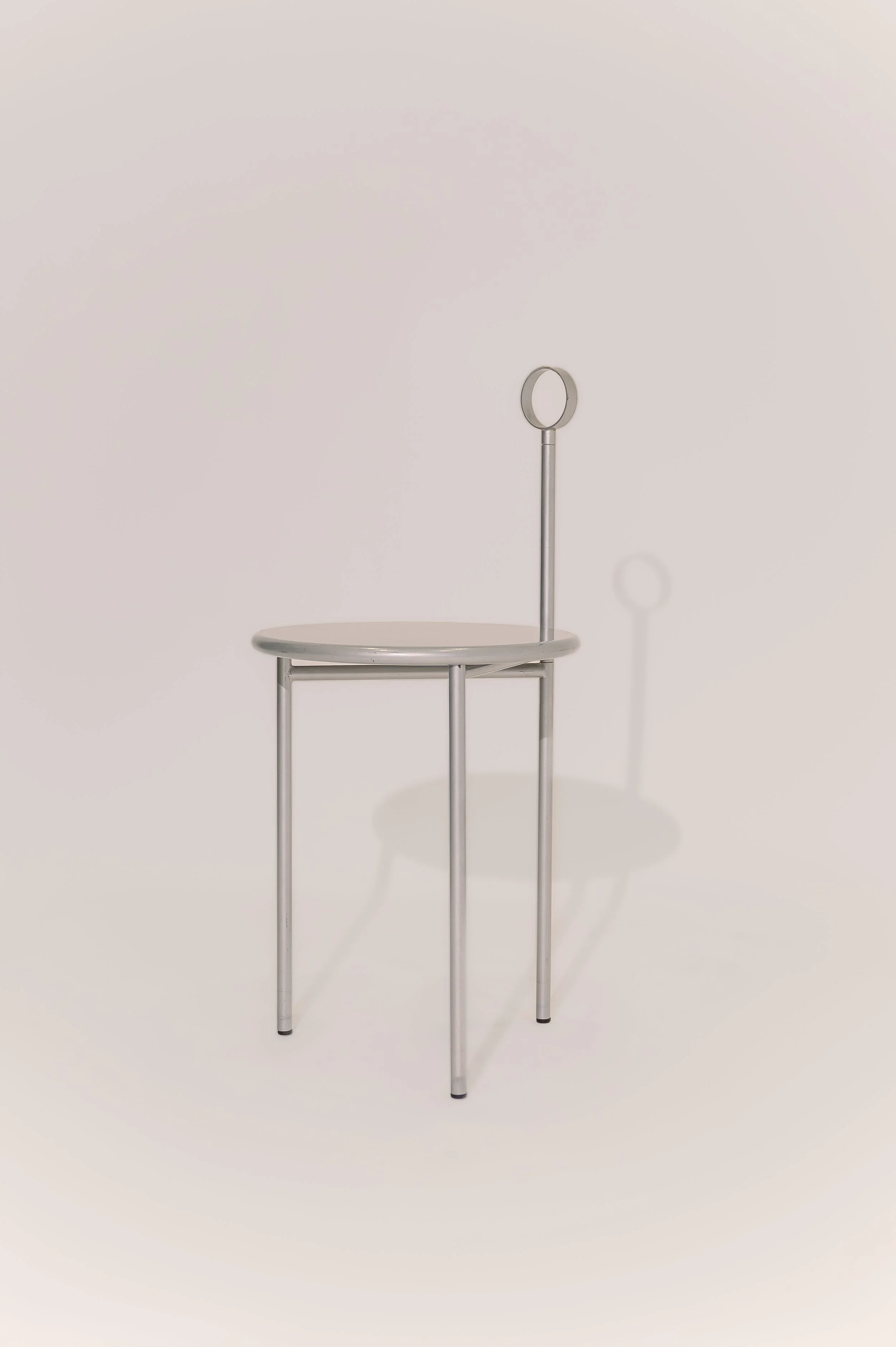
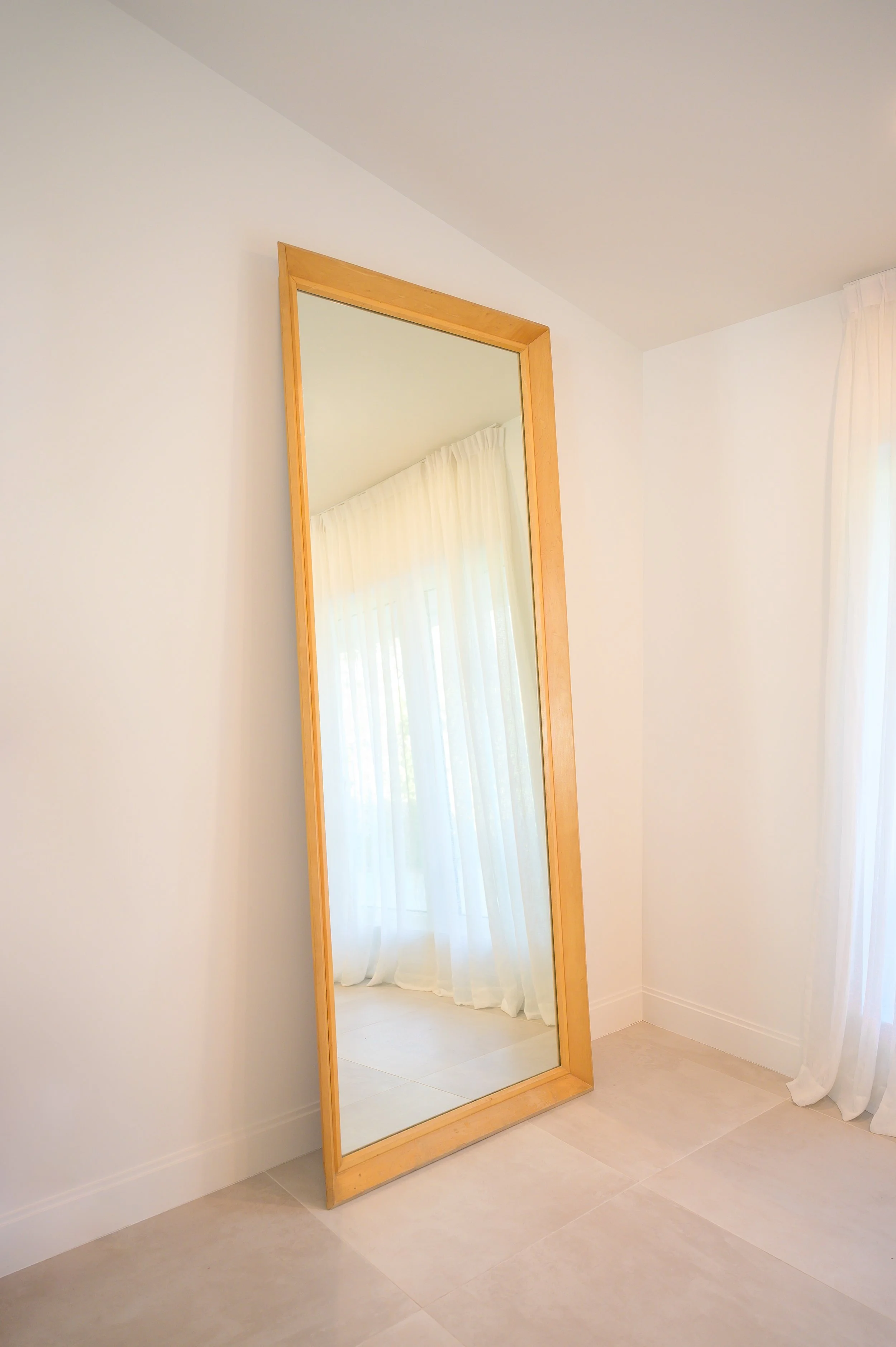
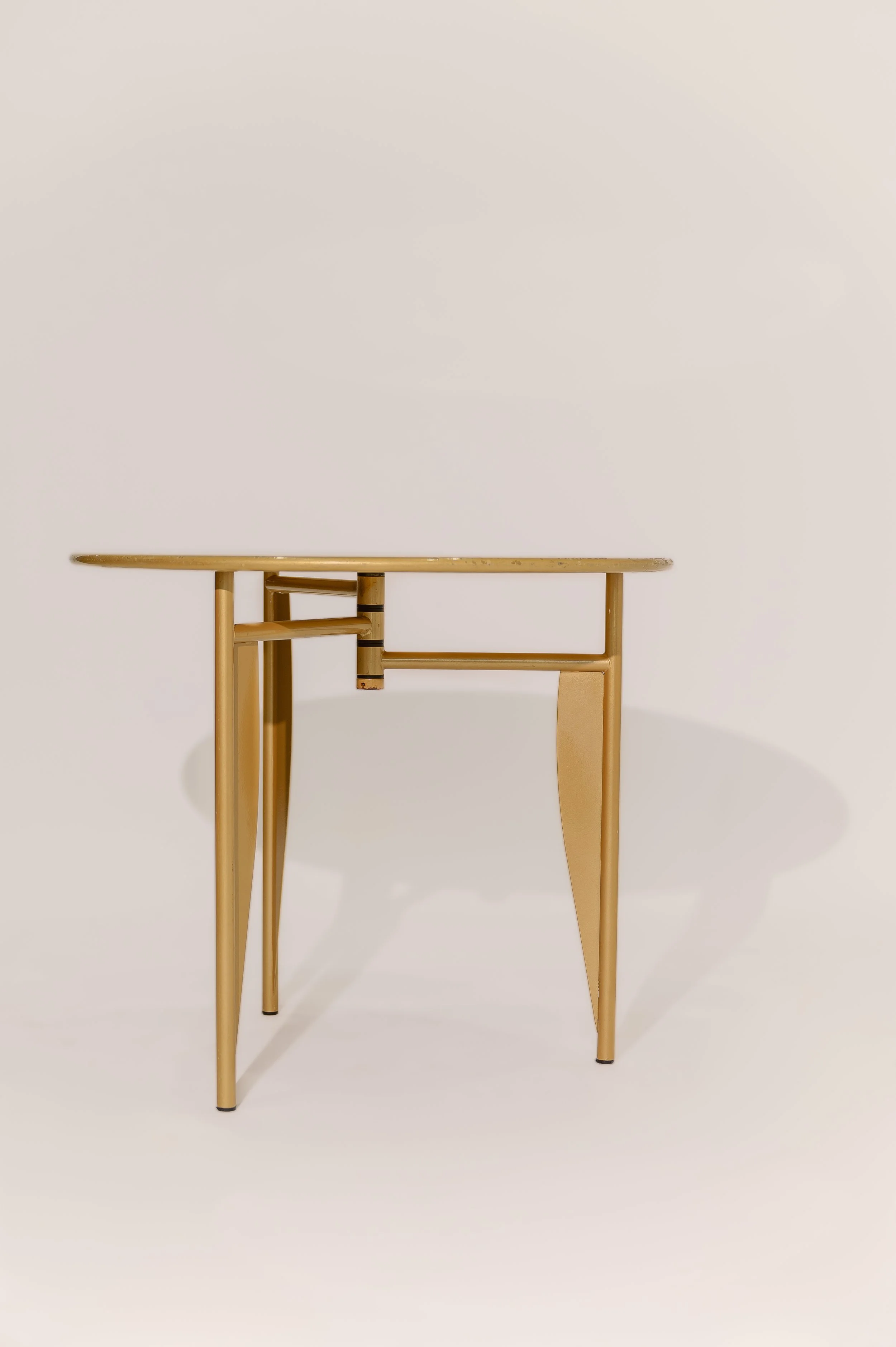
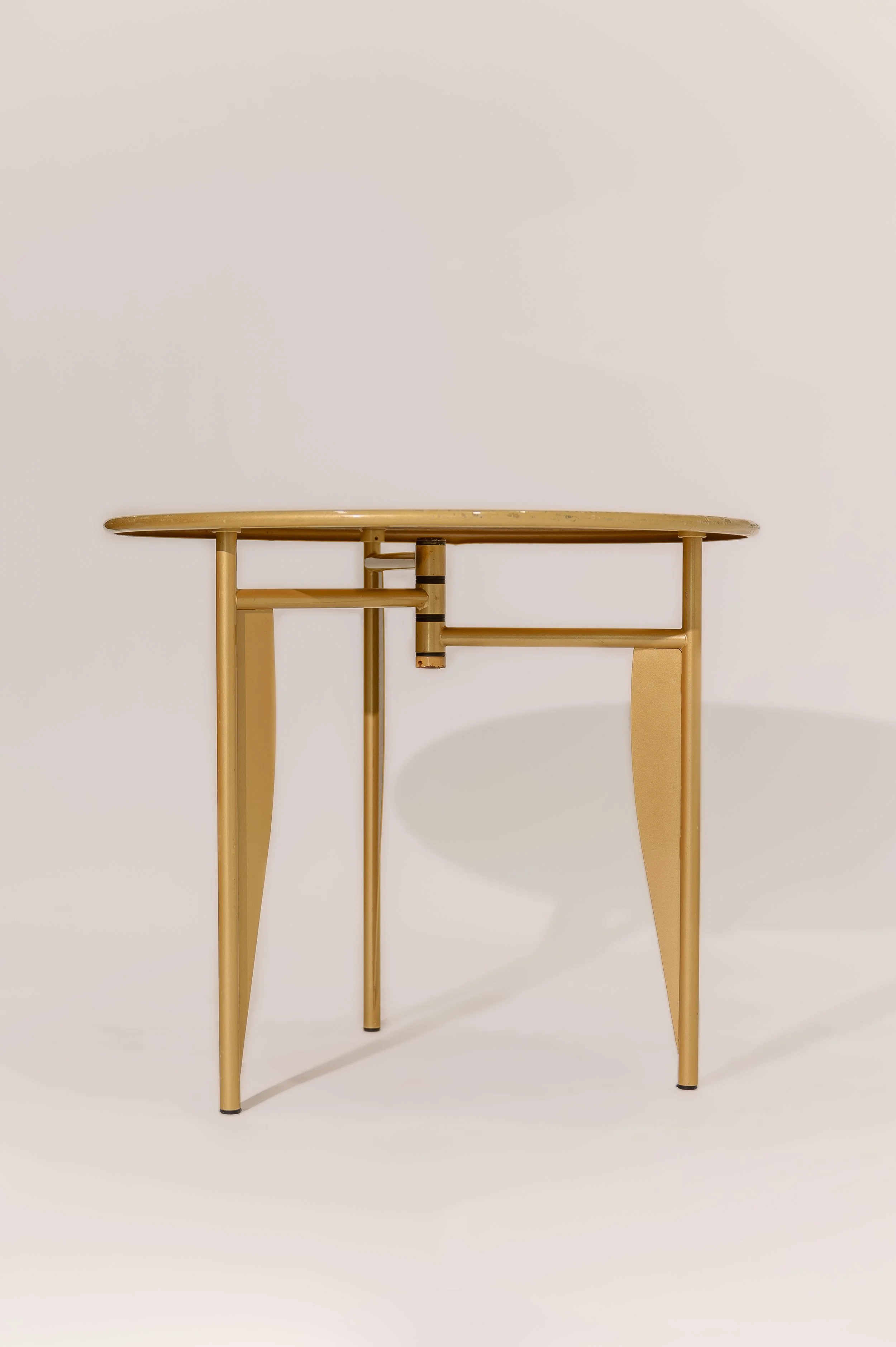
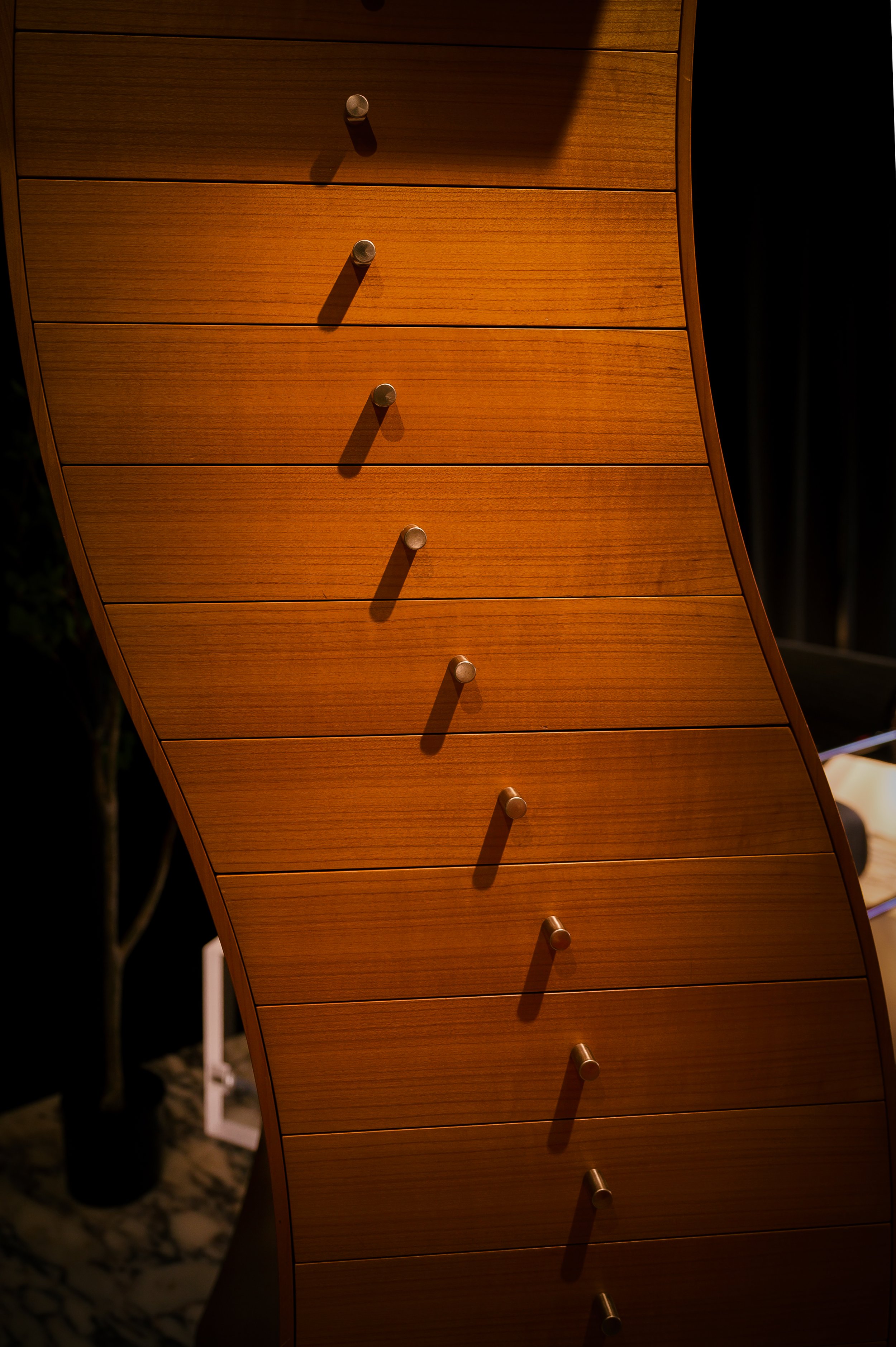
Shiro Kuramata
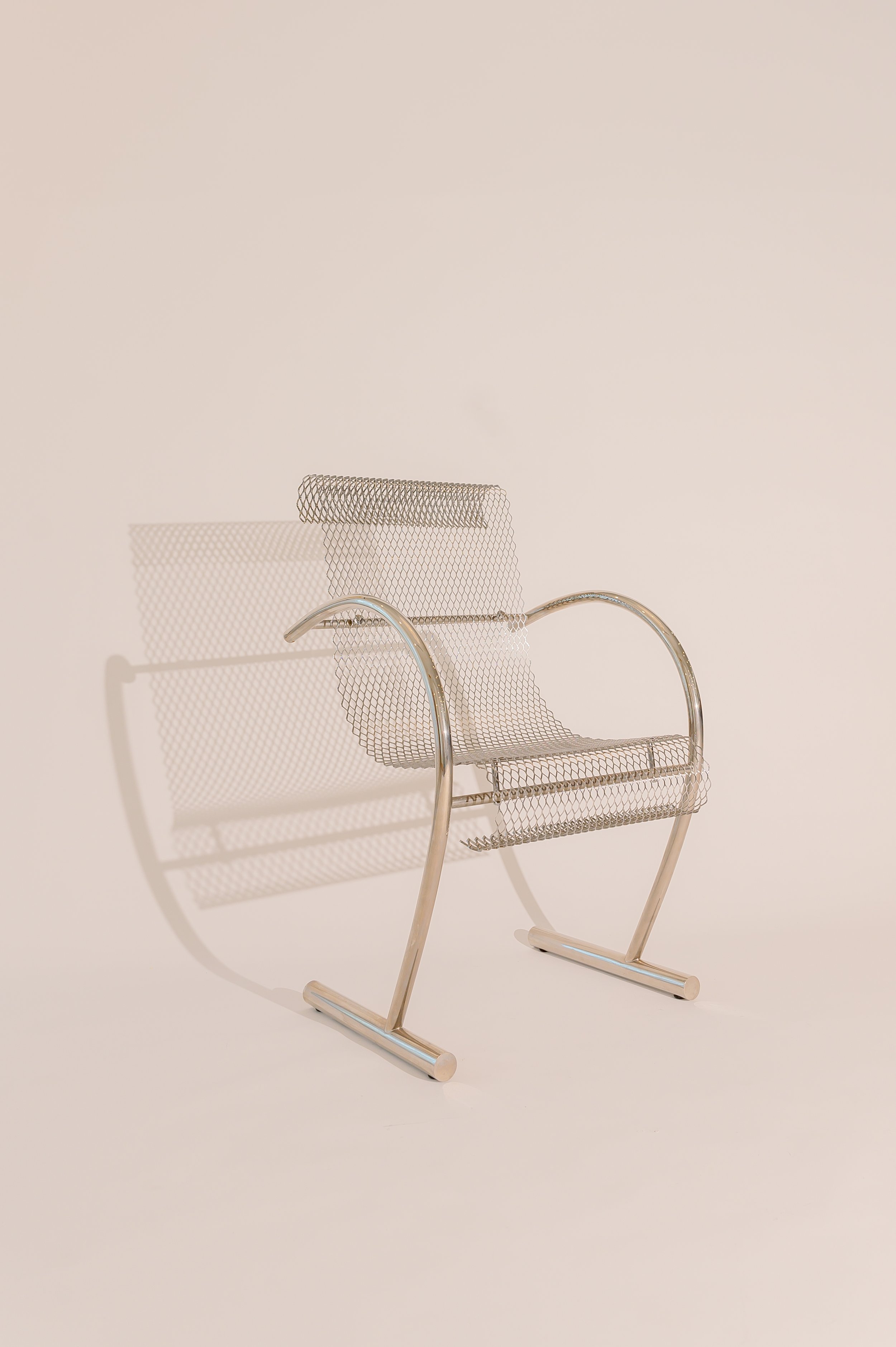
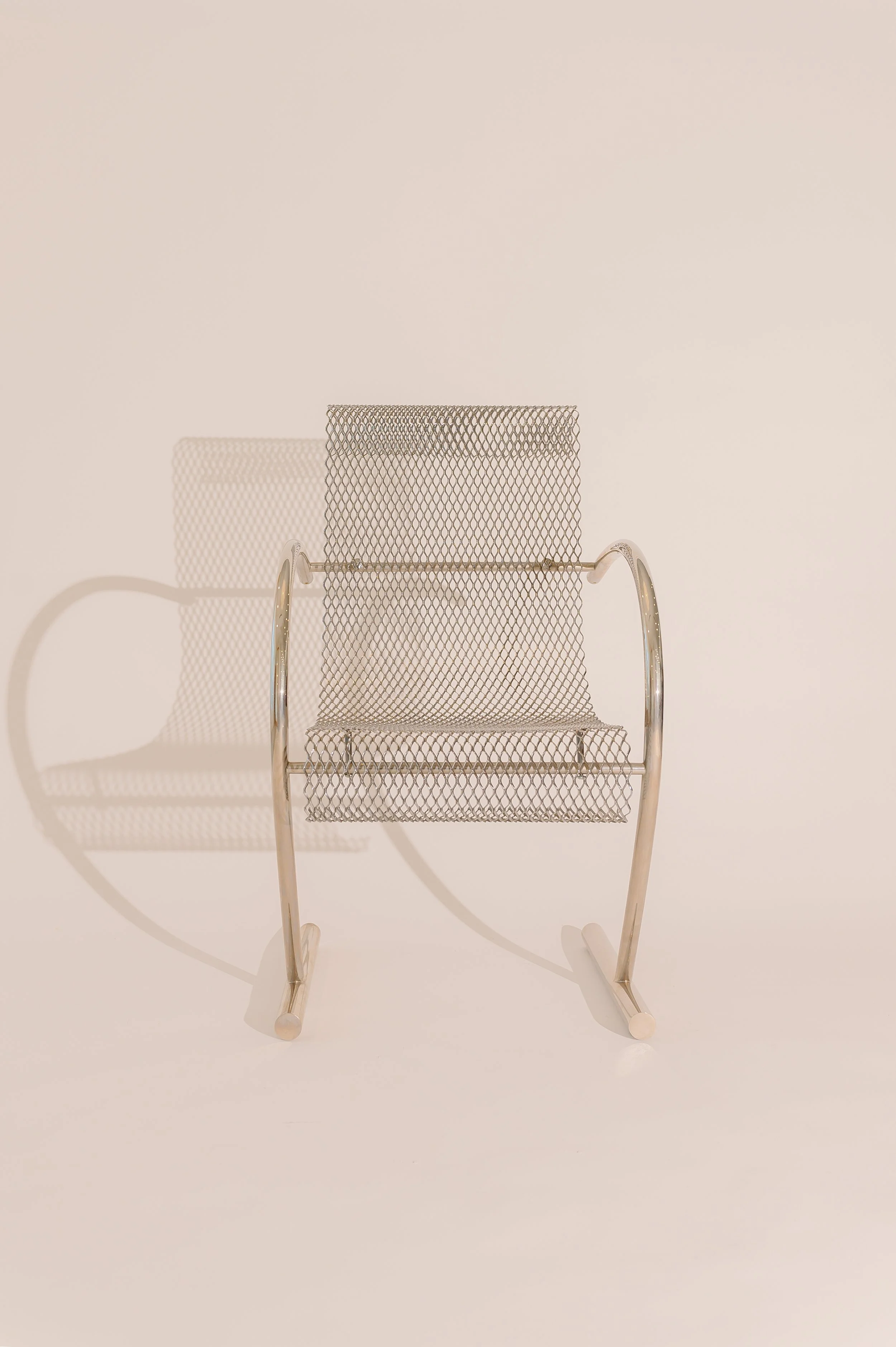
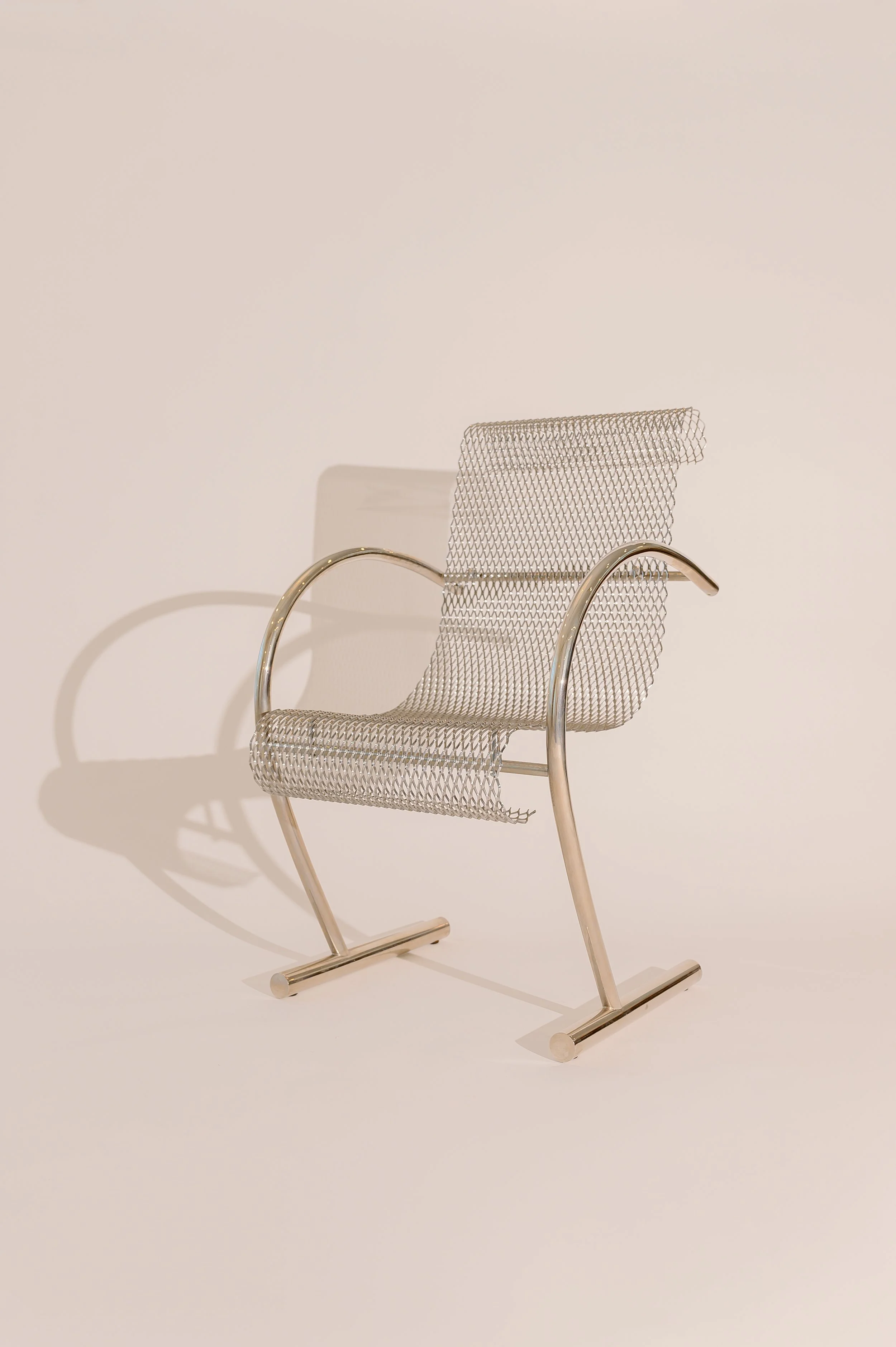
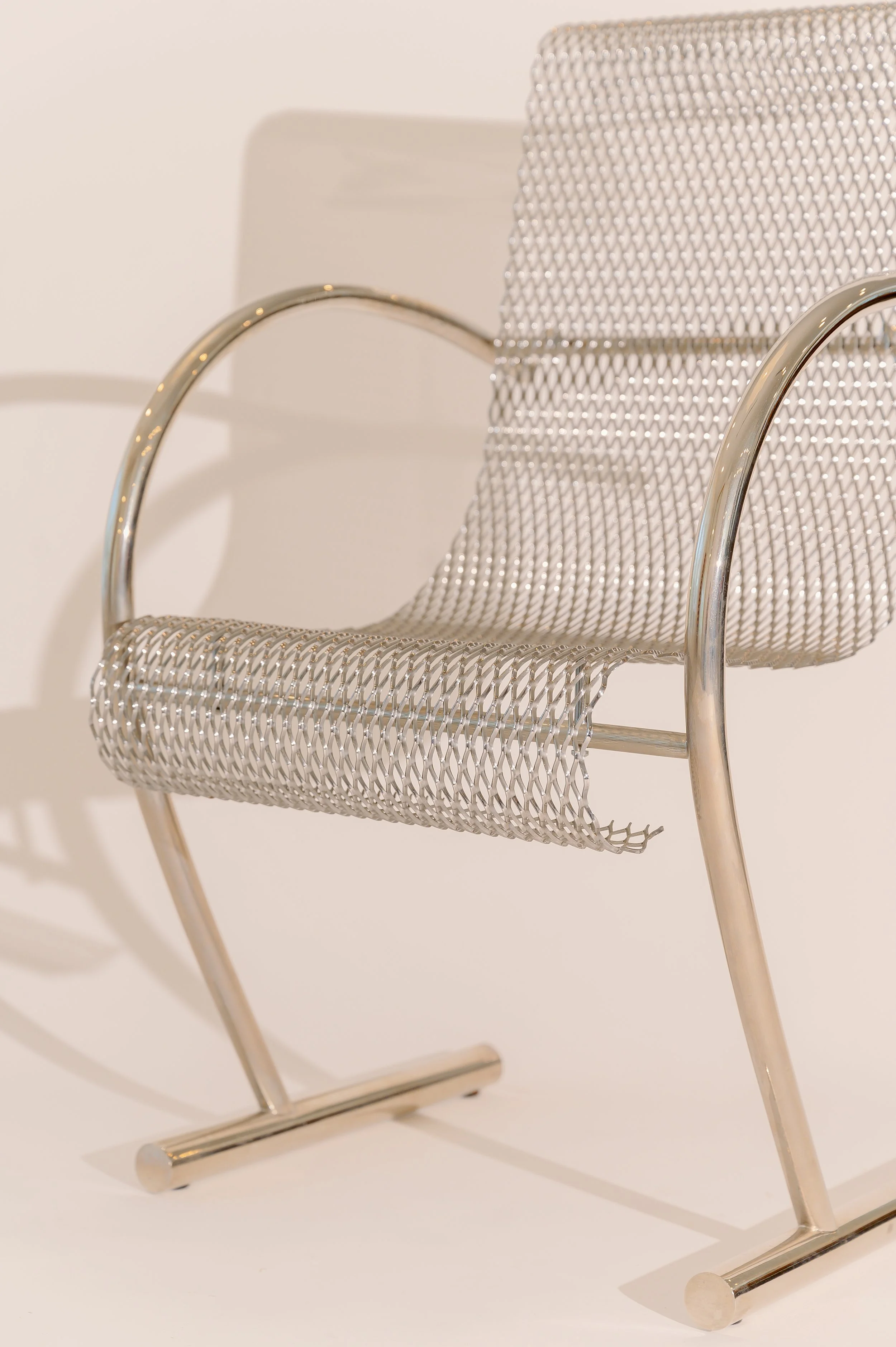
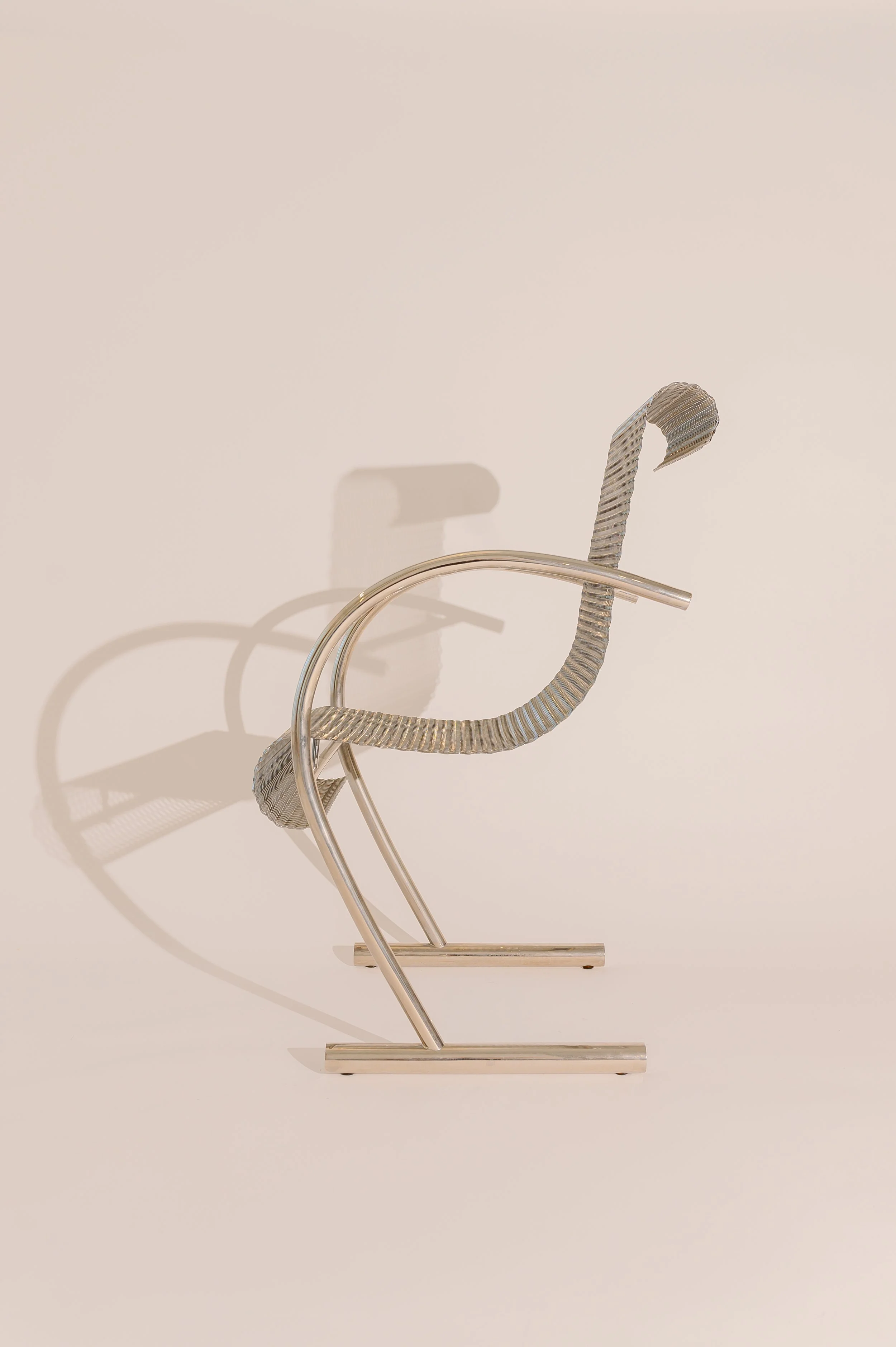
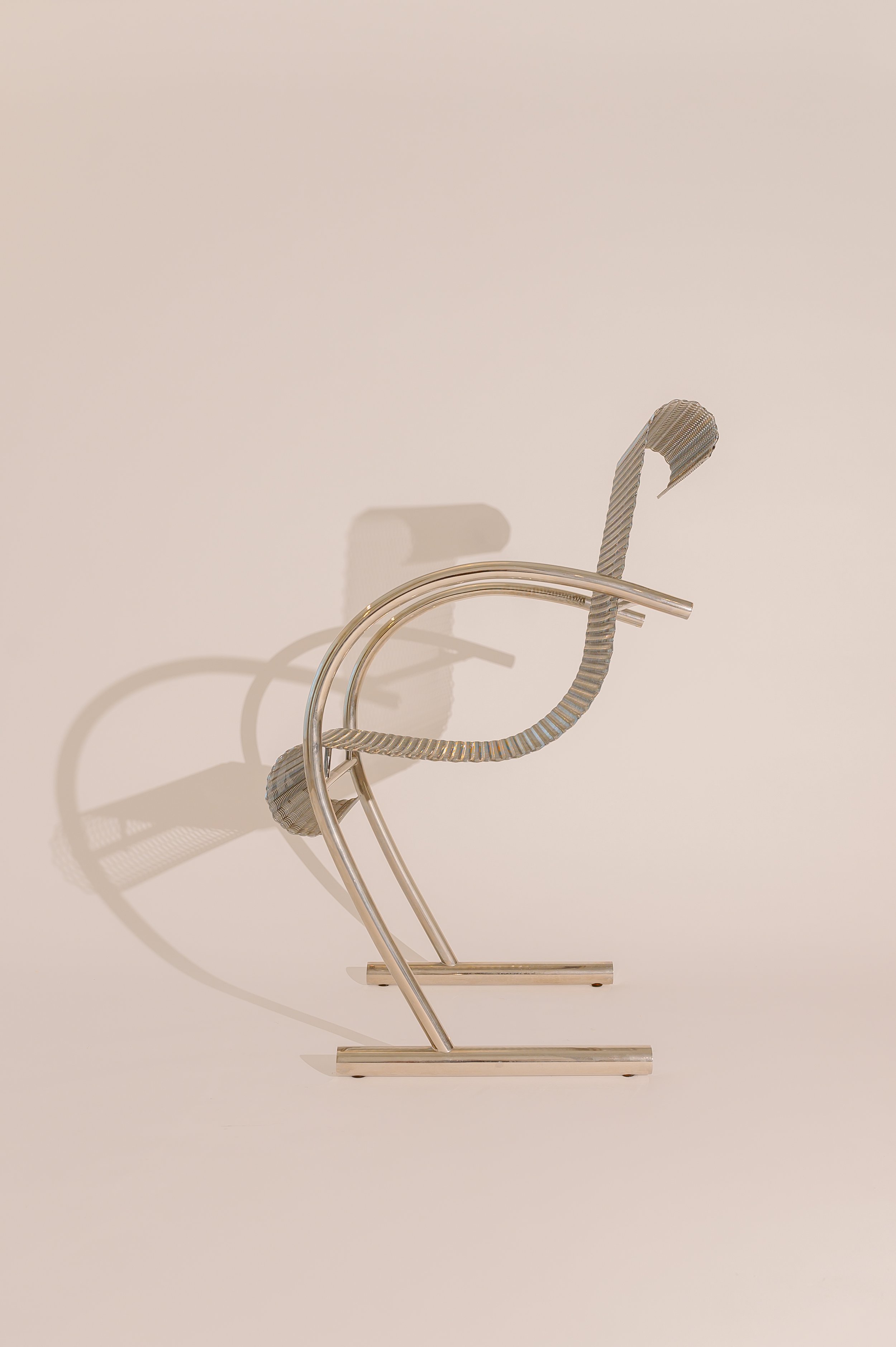
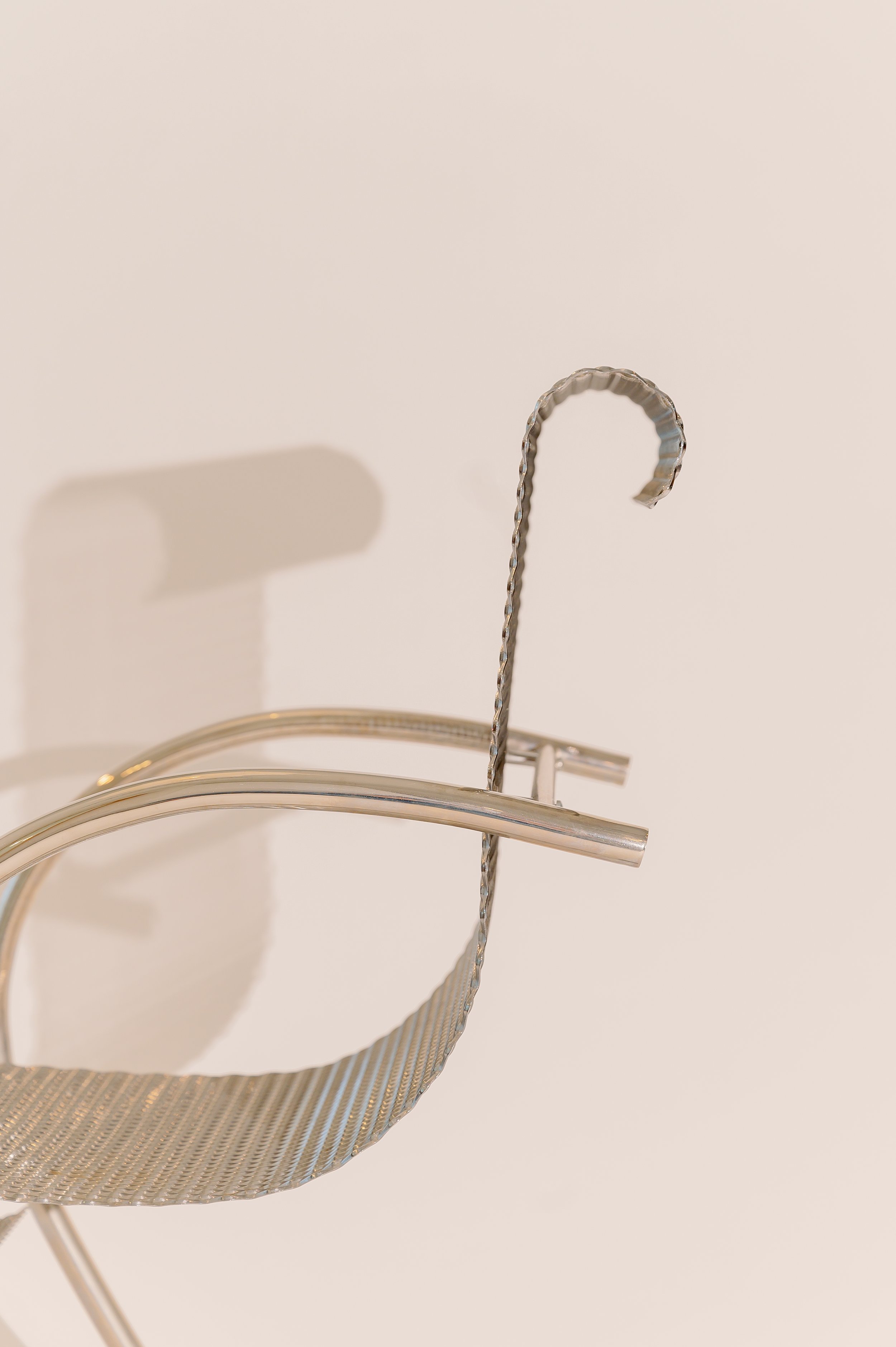
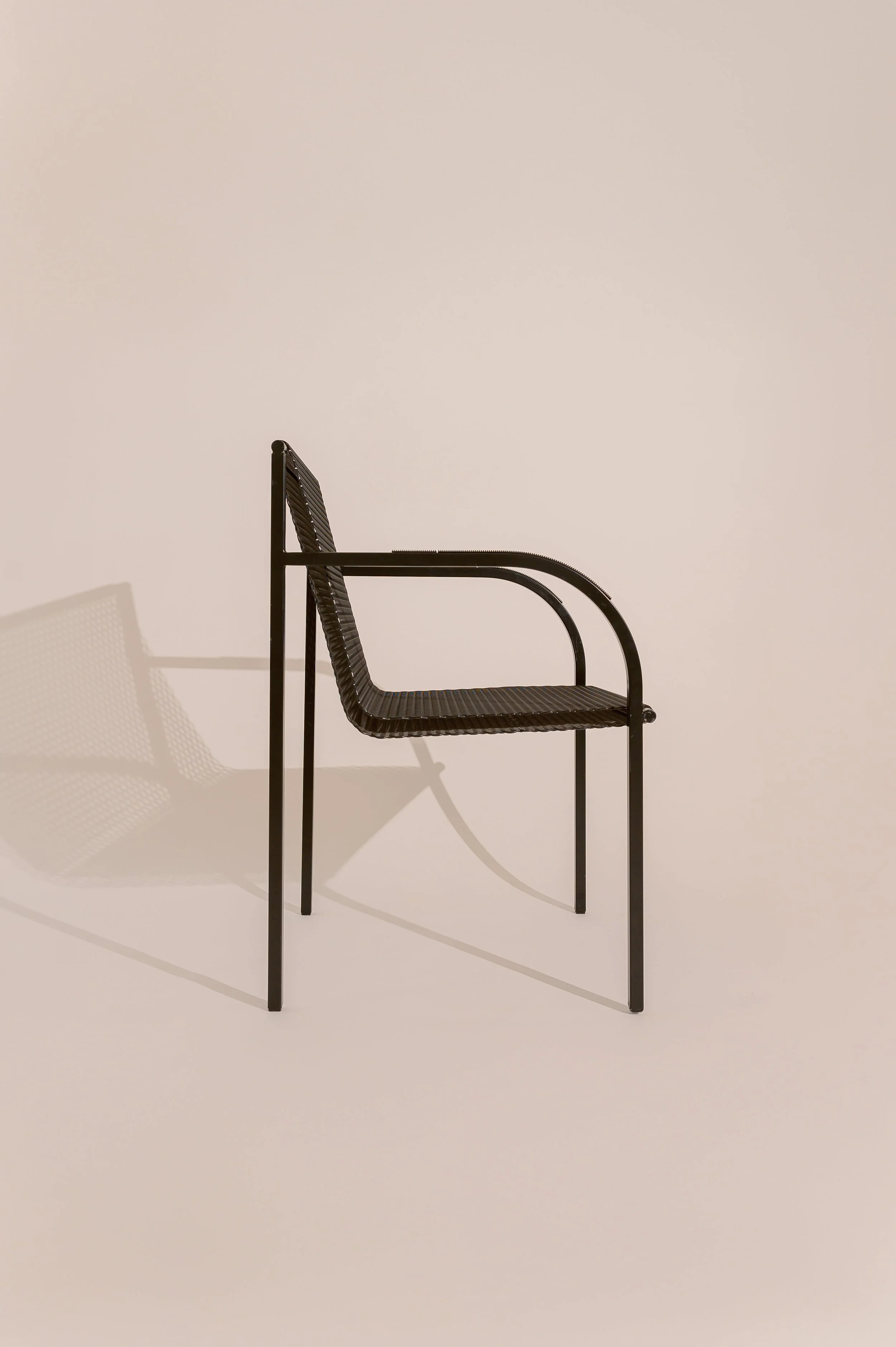
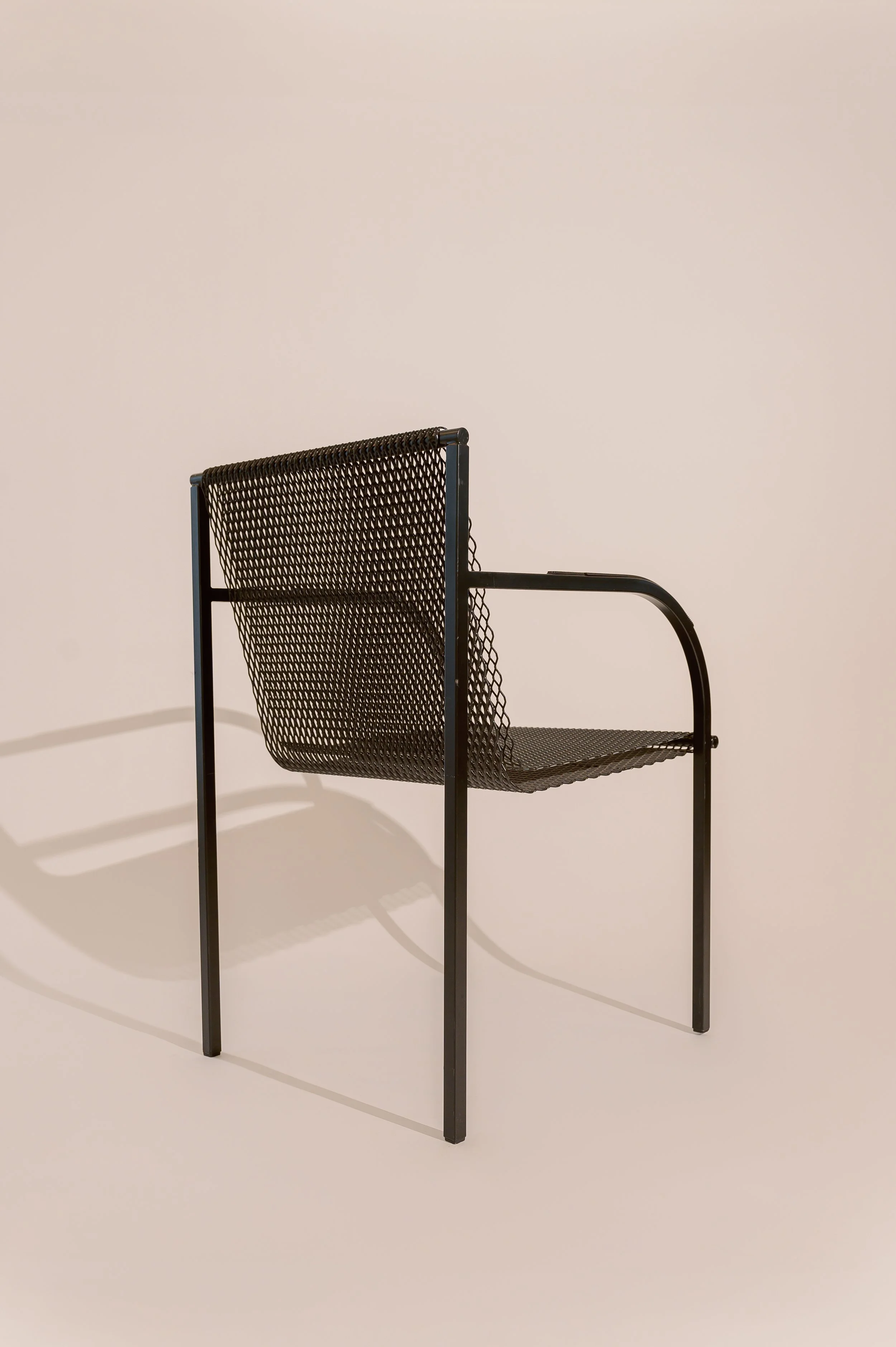
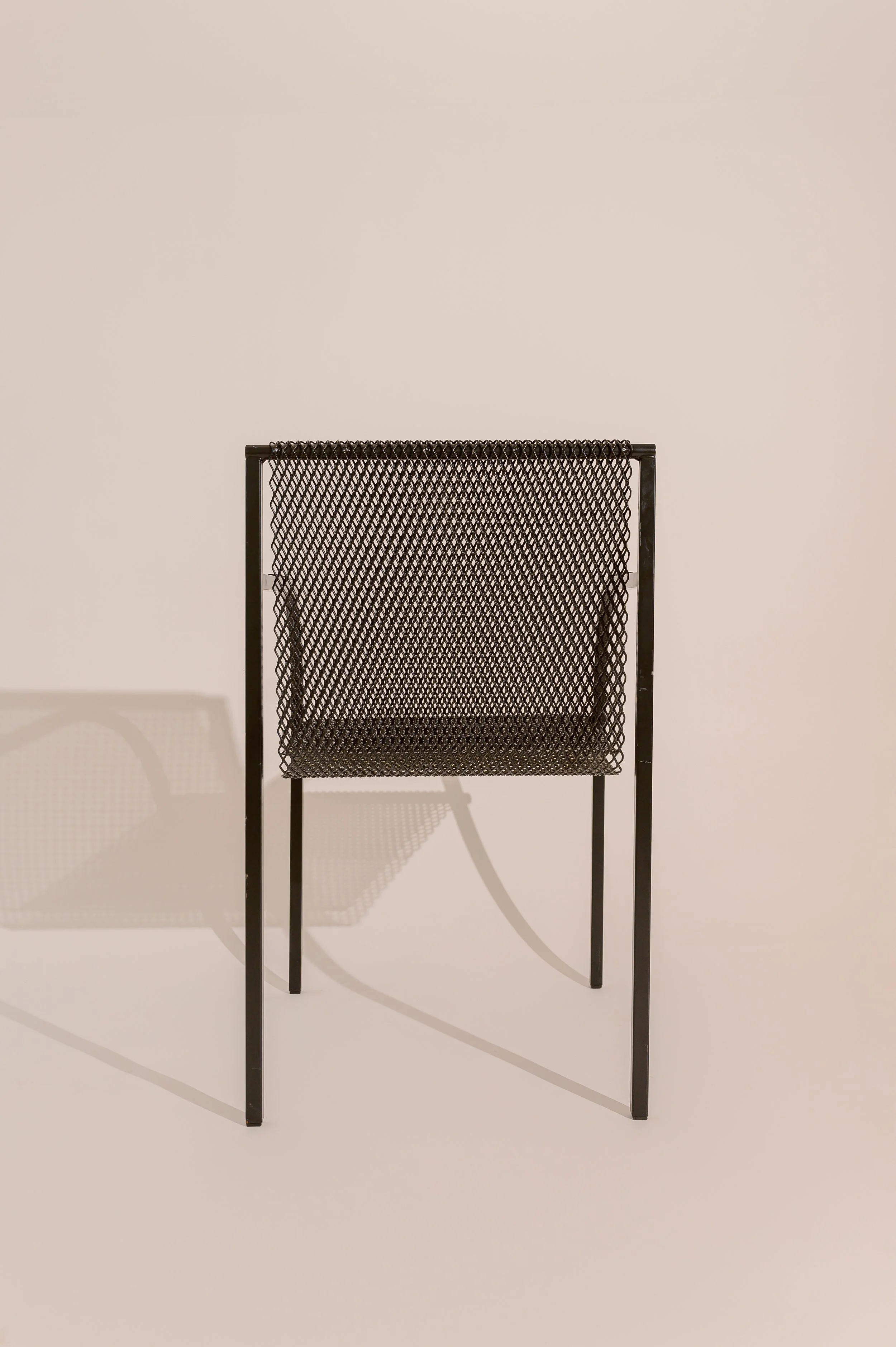
Shiro Kuramata (1934–1991) was a Japanese designer whose work radically redefined the emotional and conceptual boundaries of furniture and interior design. Known for his poetic use of industrial materials such as acrylic, glass, aluminum mesh, and steel, Kuramata created objects that appeared weightless, ephemeral, and almost dreamlike—often blurring the line between furniture and art.
Trained in traditional cabinetmaking yet deeply influenced by modernism and postwar Japanese culture, Kuramata rejected heaviness and permanence in favor of transparency, fragility, and illusion. Iconic works like Miss Blanche encapsulate his approach: familiar forms rendered in unexpected materials that challenge perception, function, and memory. His designs often explore themes of absence, impermanence, and emotional resonance, reflecting both Japanese aesthetics and a distinctly avant-garde sensibility.
Though later associated with the Memphis movement, Kuramata’s work remained uniquely personal—more introspective than expressive, more lyrical than graphic. His legacy lies not in a single style, but in a way of thinking: design as an atmospheric, emotional experience where objects dissolve into space, inviting imagination, contemplation, and quiet wonder.
Inquire for pricing info@pdagallery.com




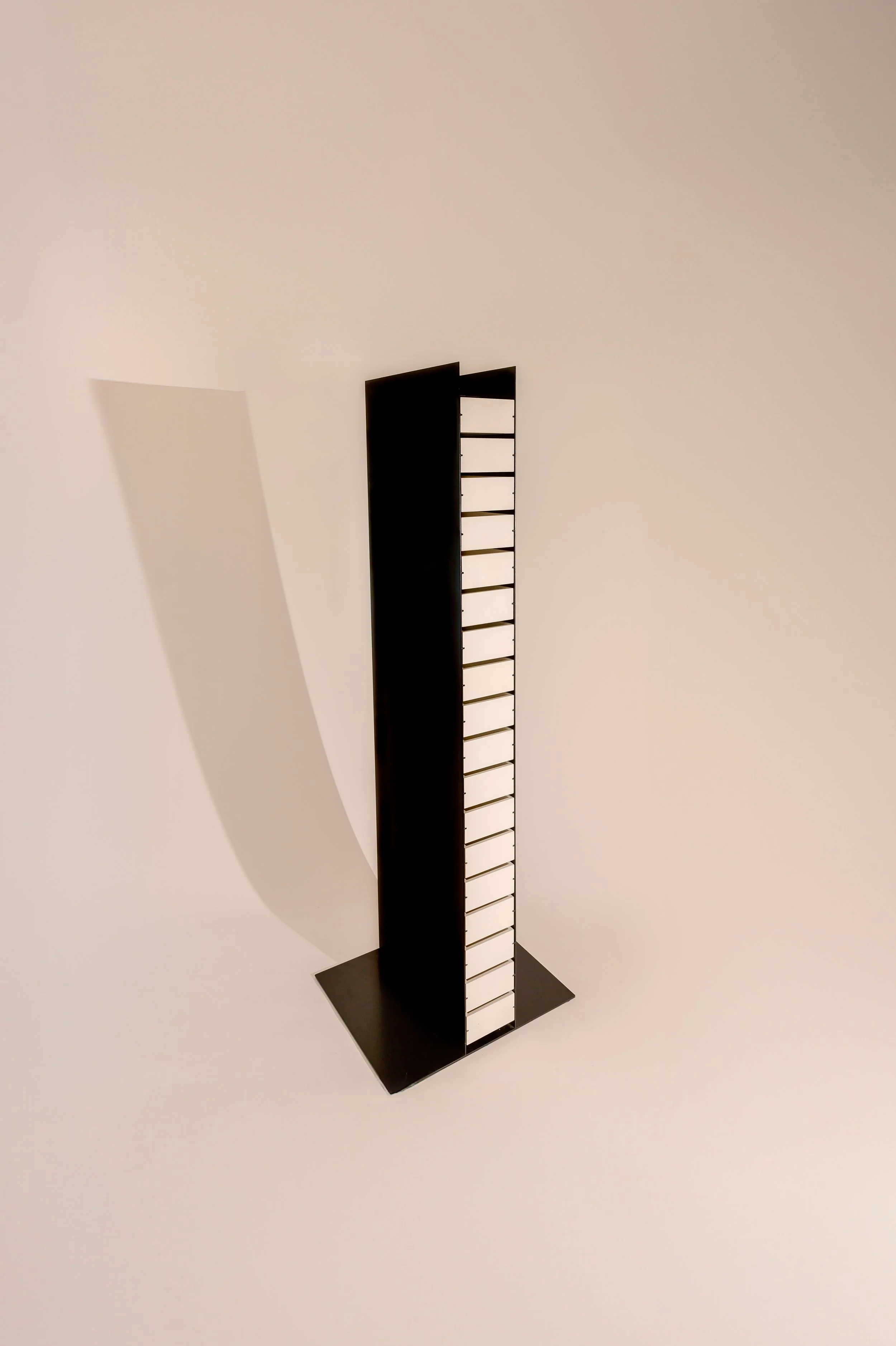
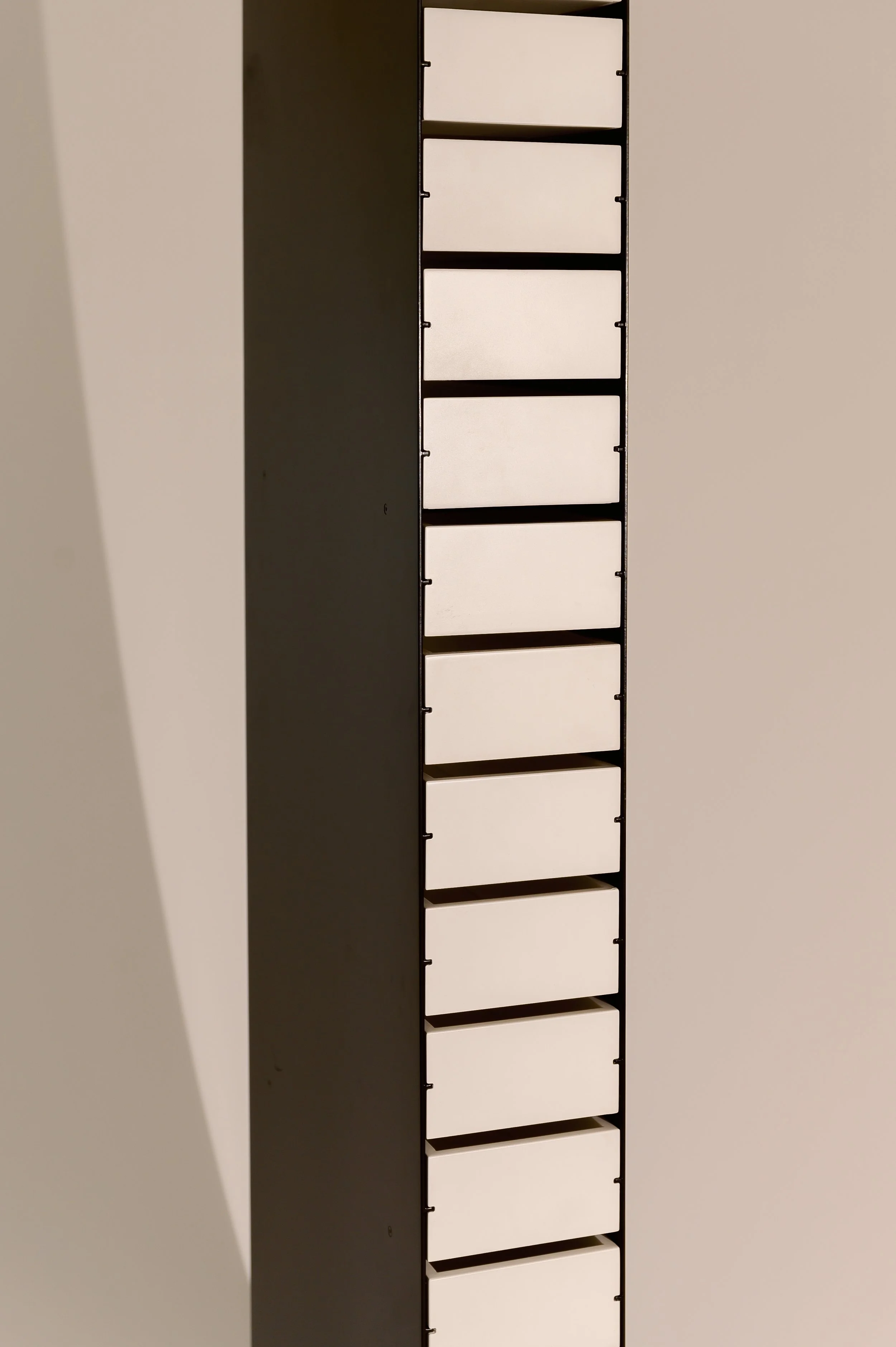
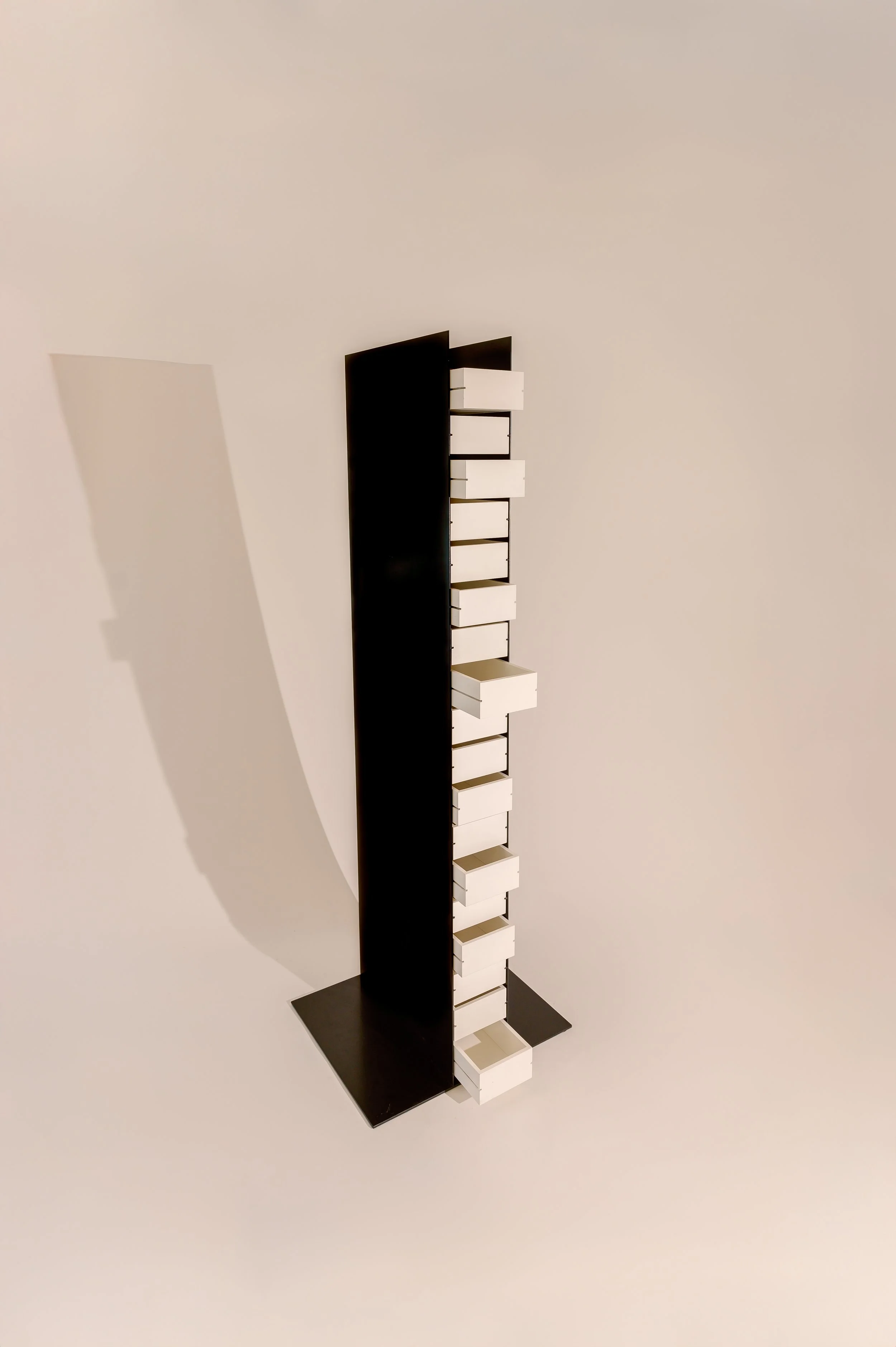
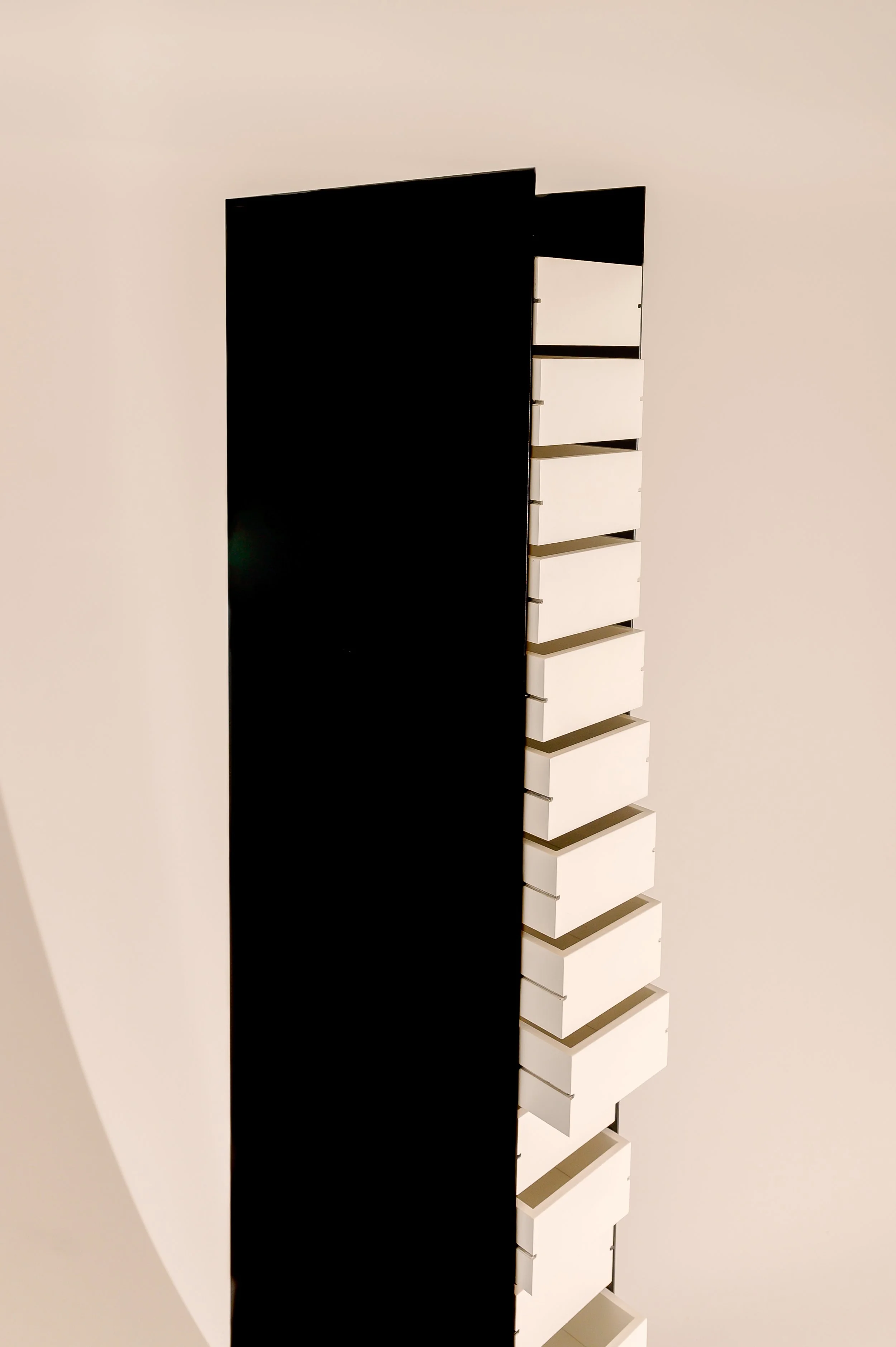
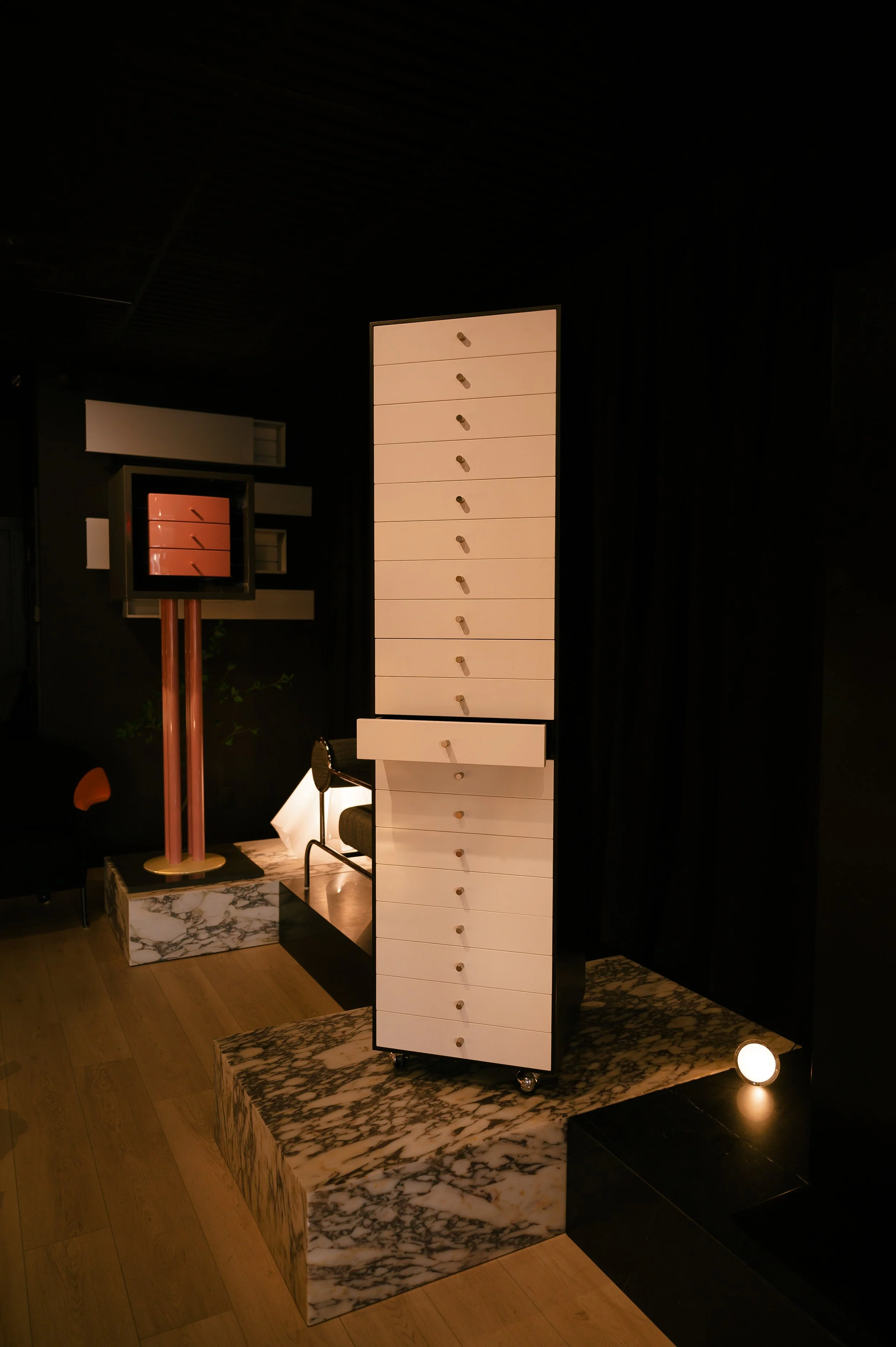


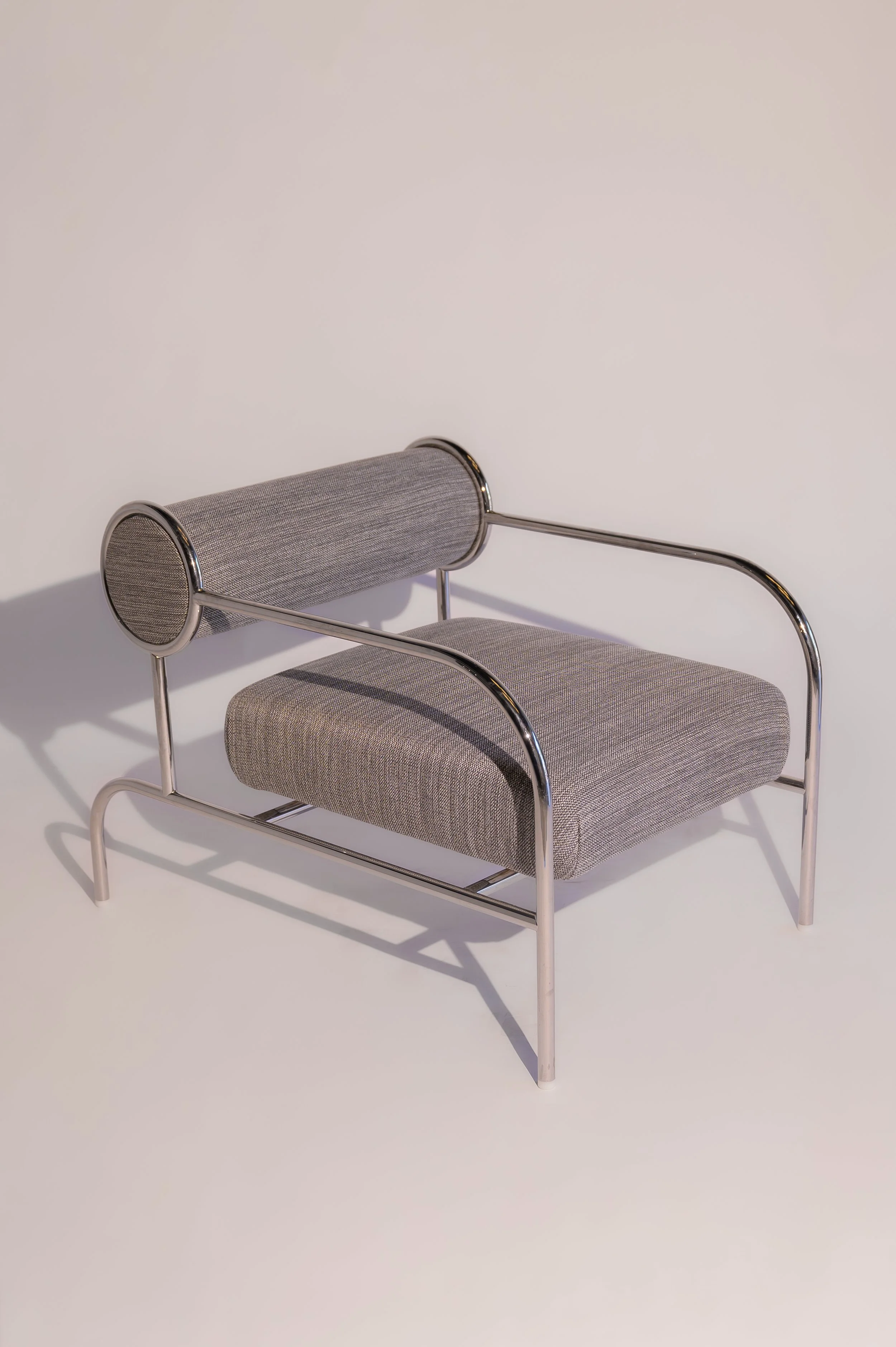
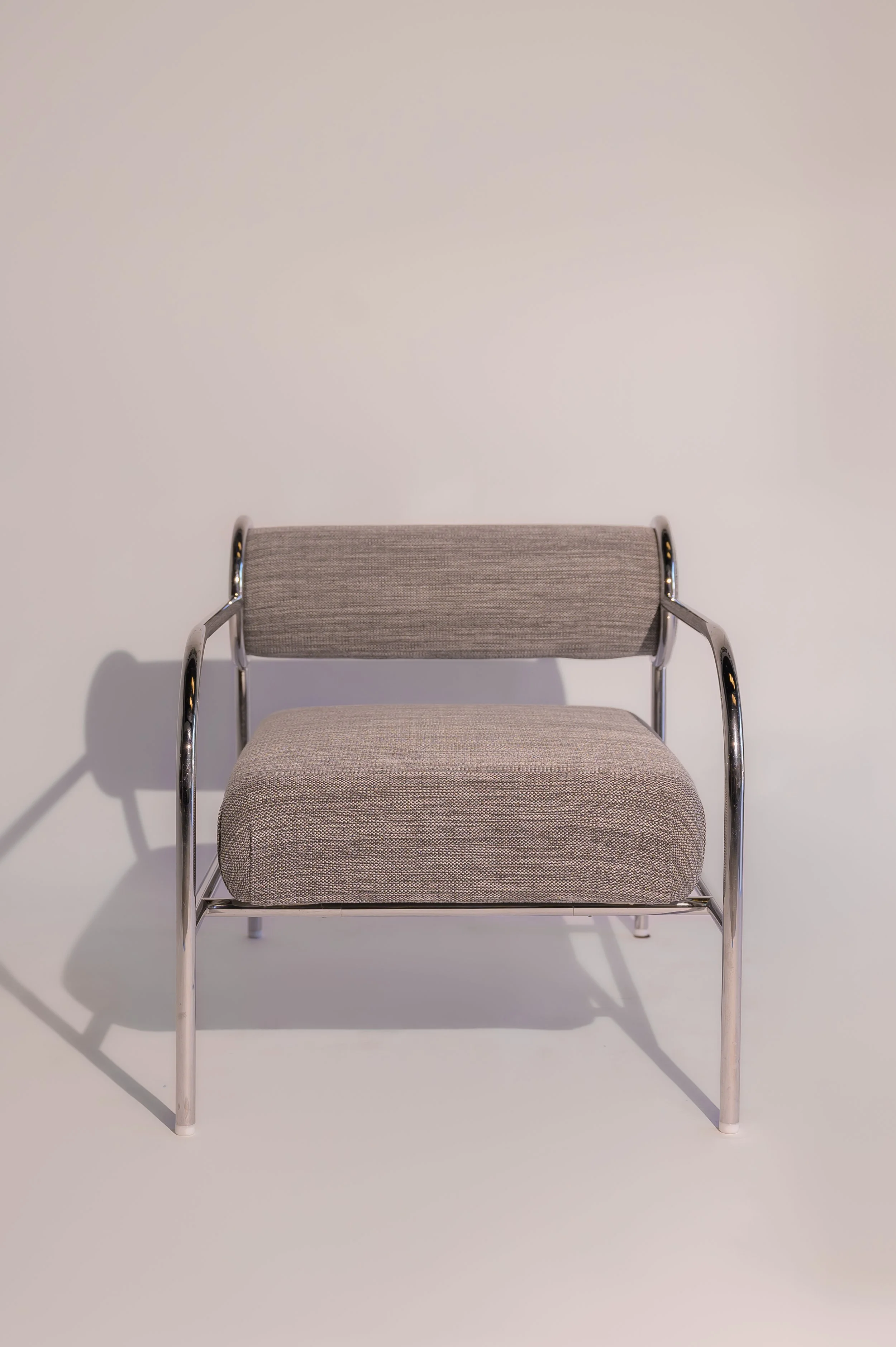
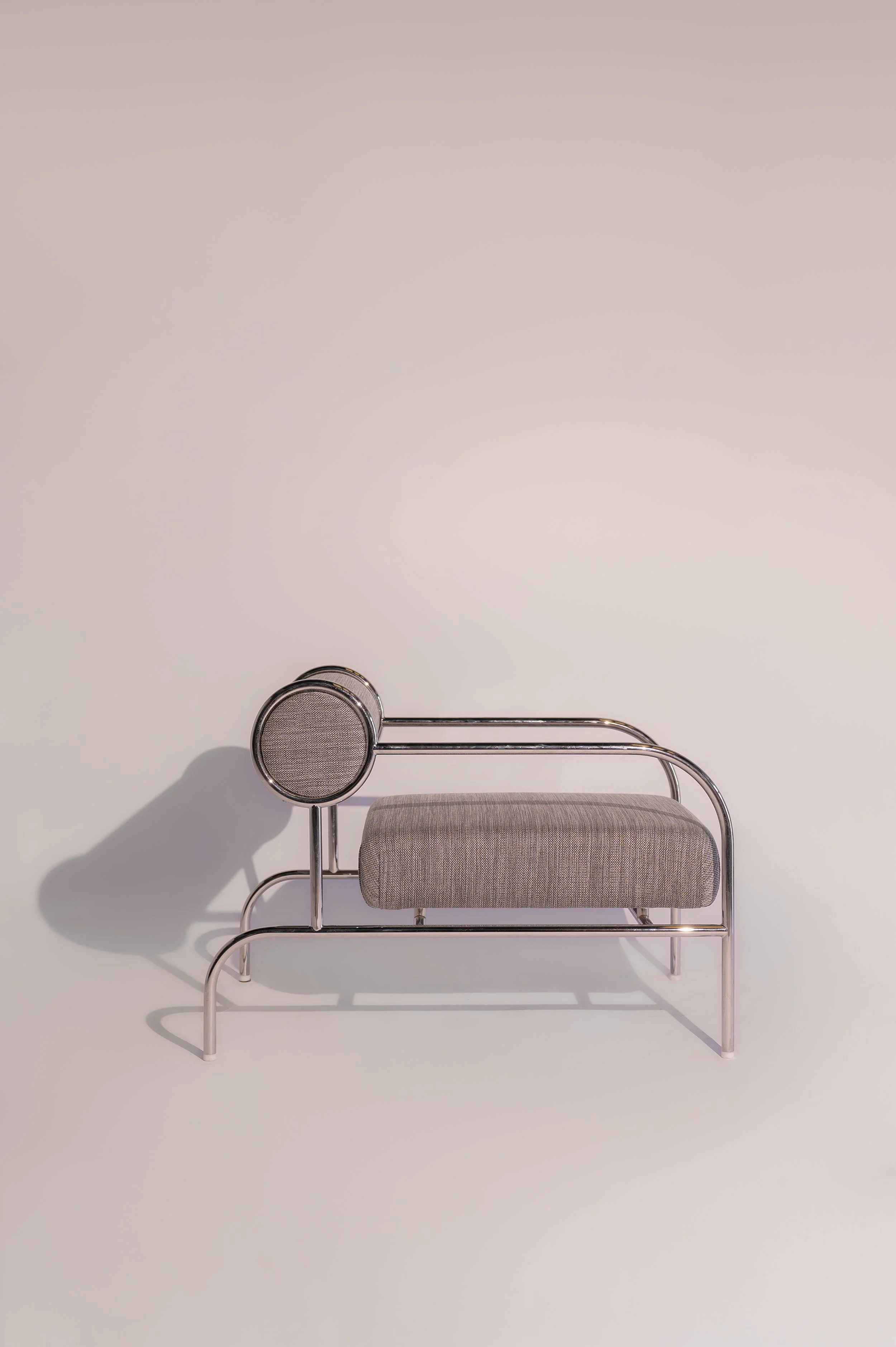
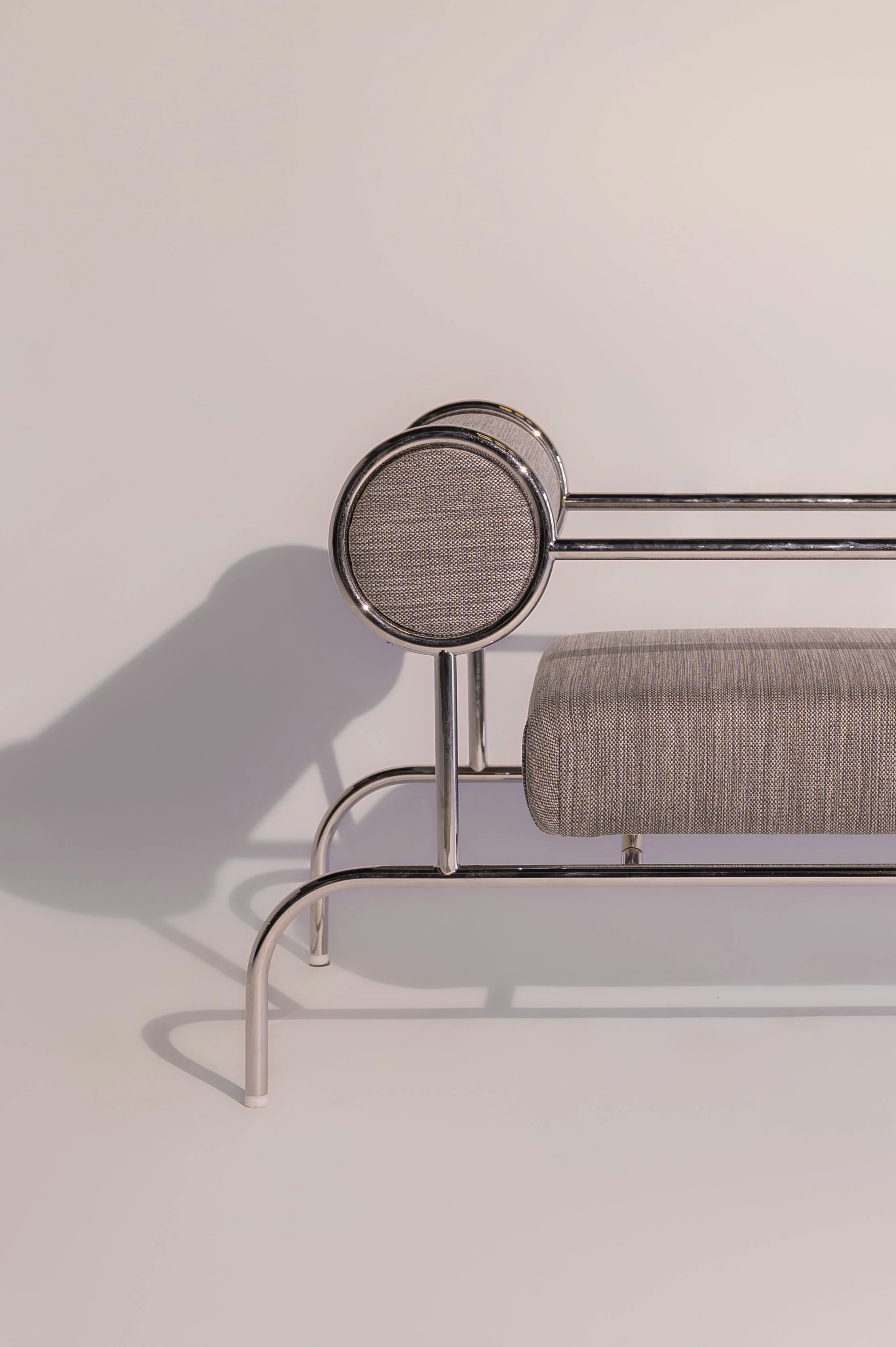
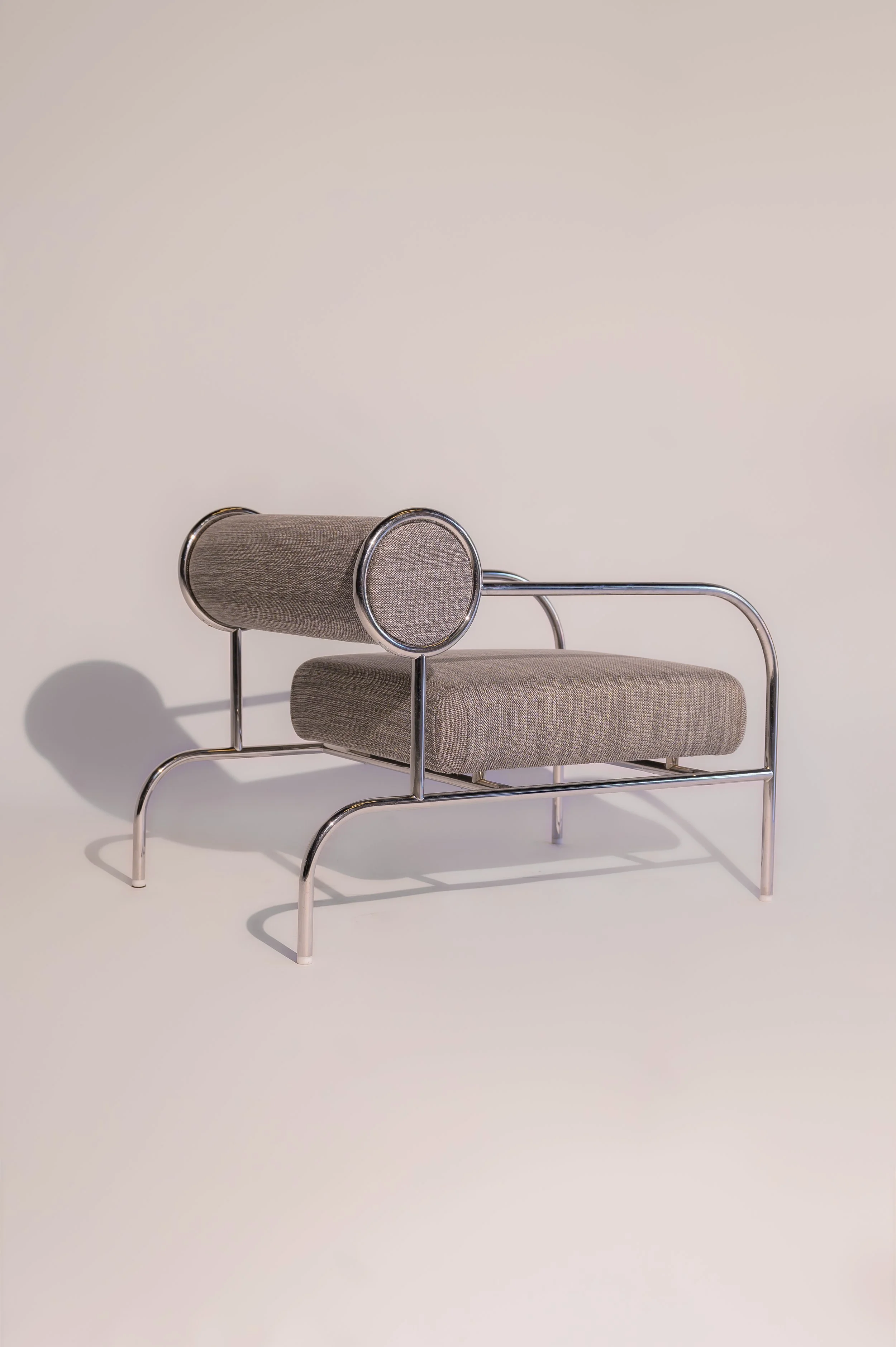
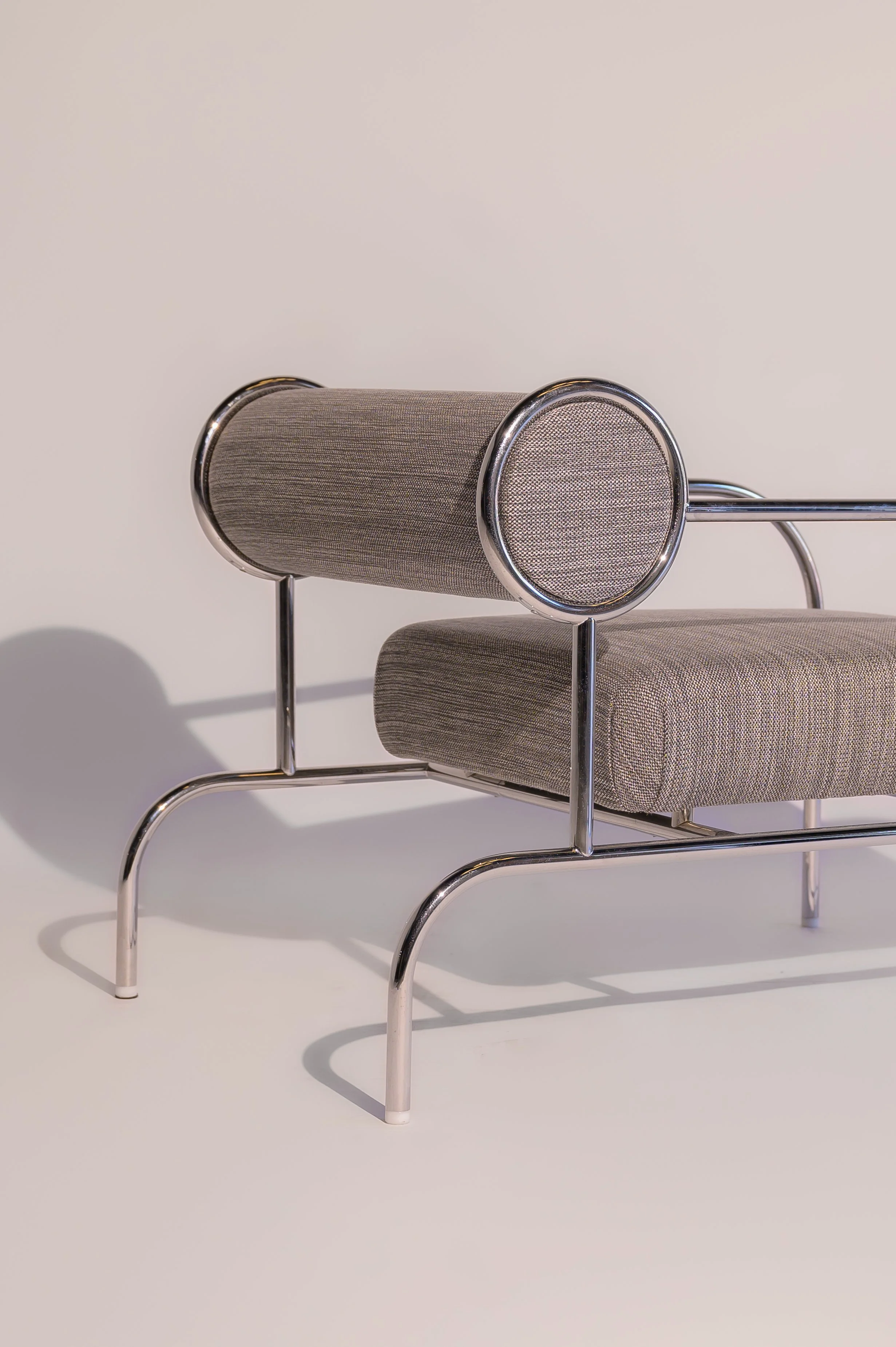
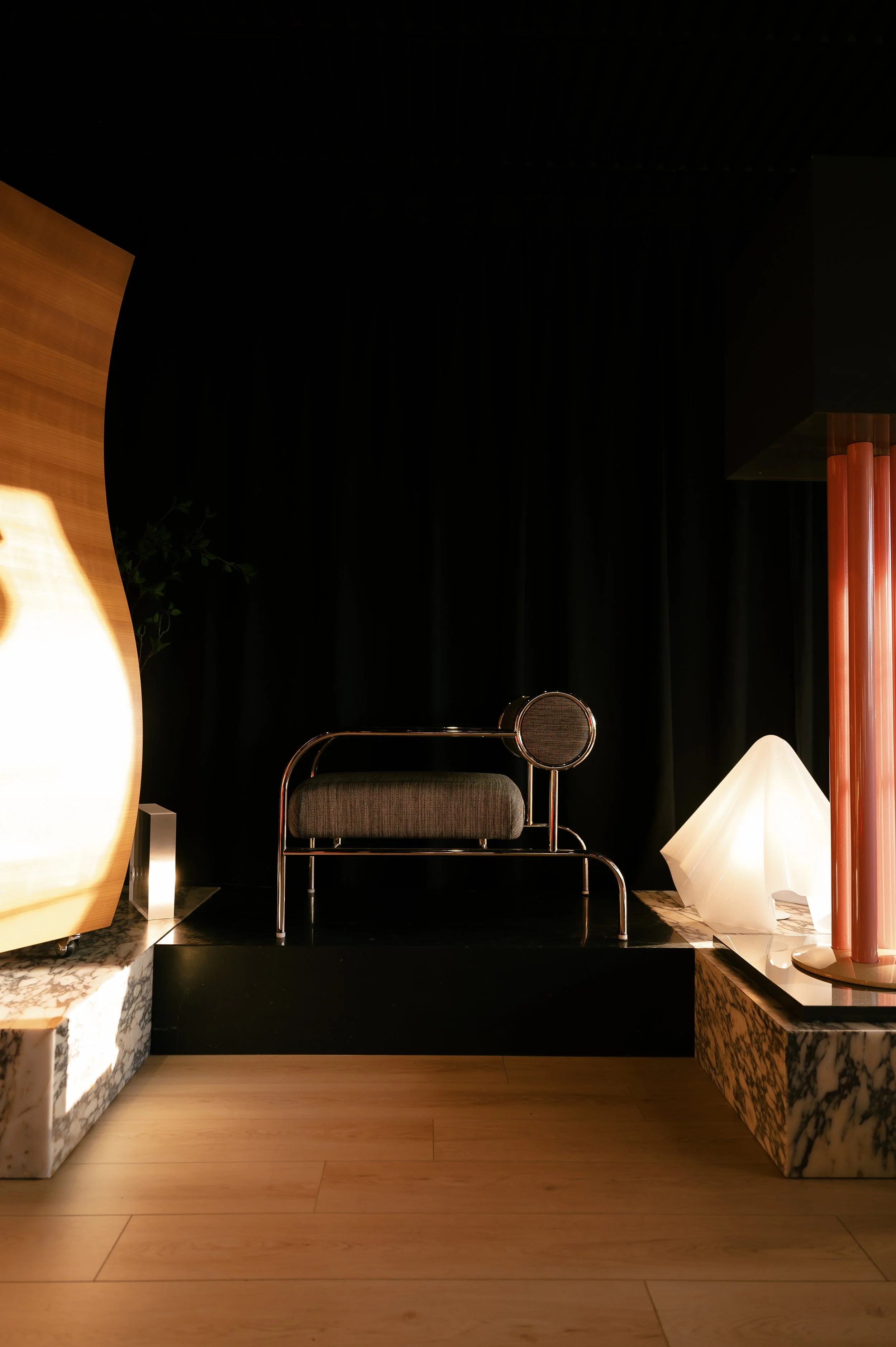
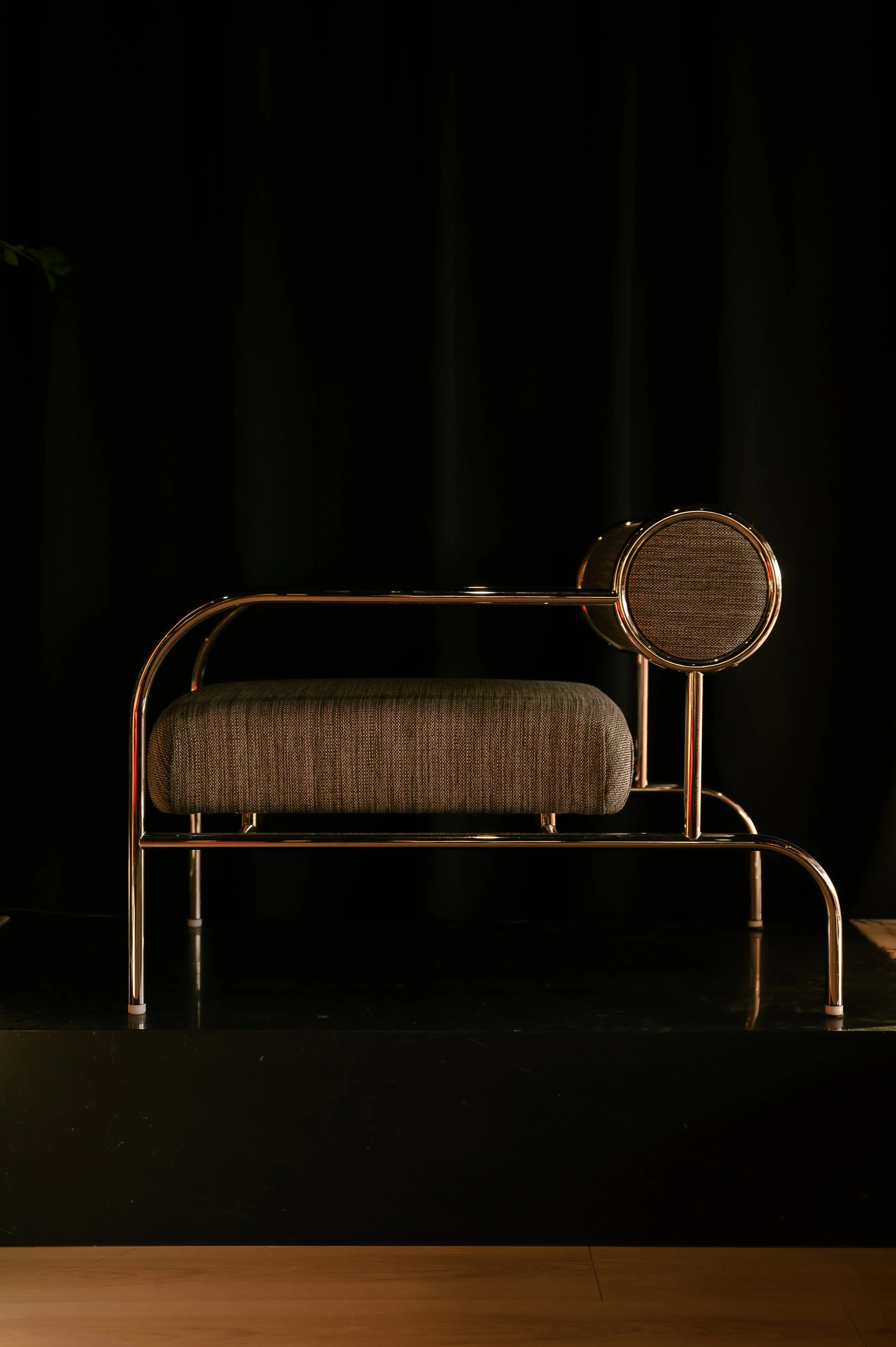
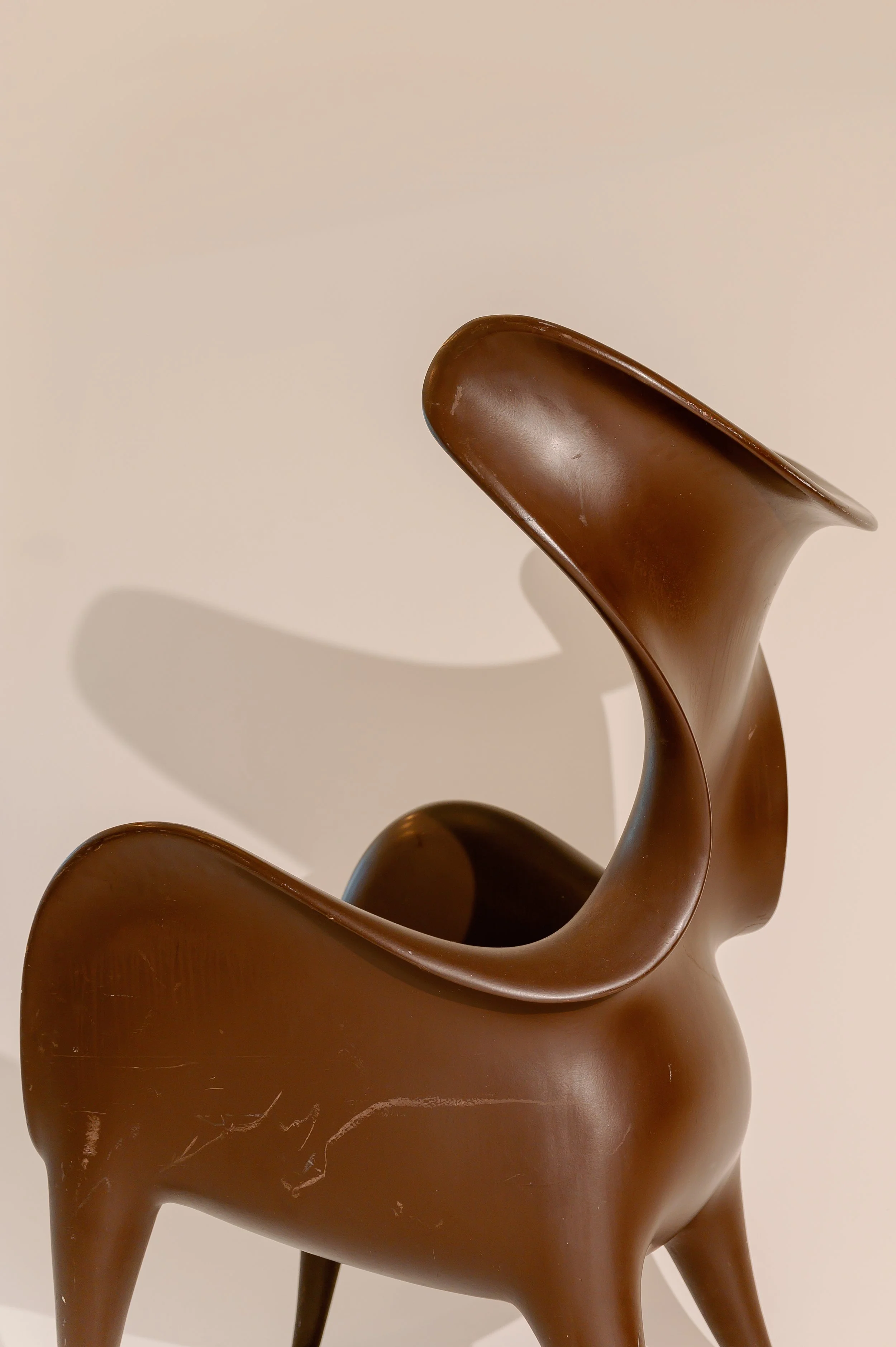
Jordan Moser
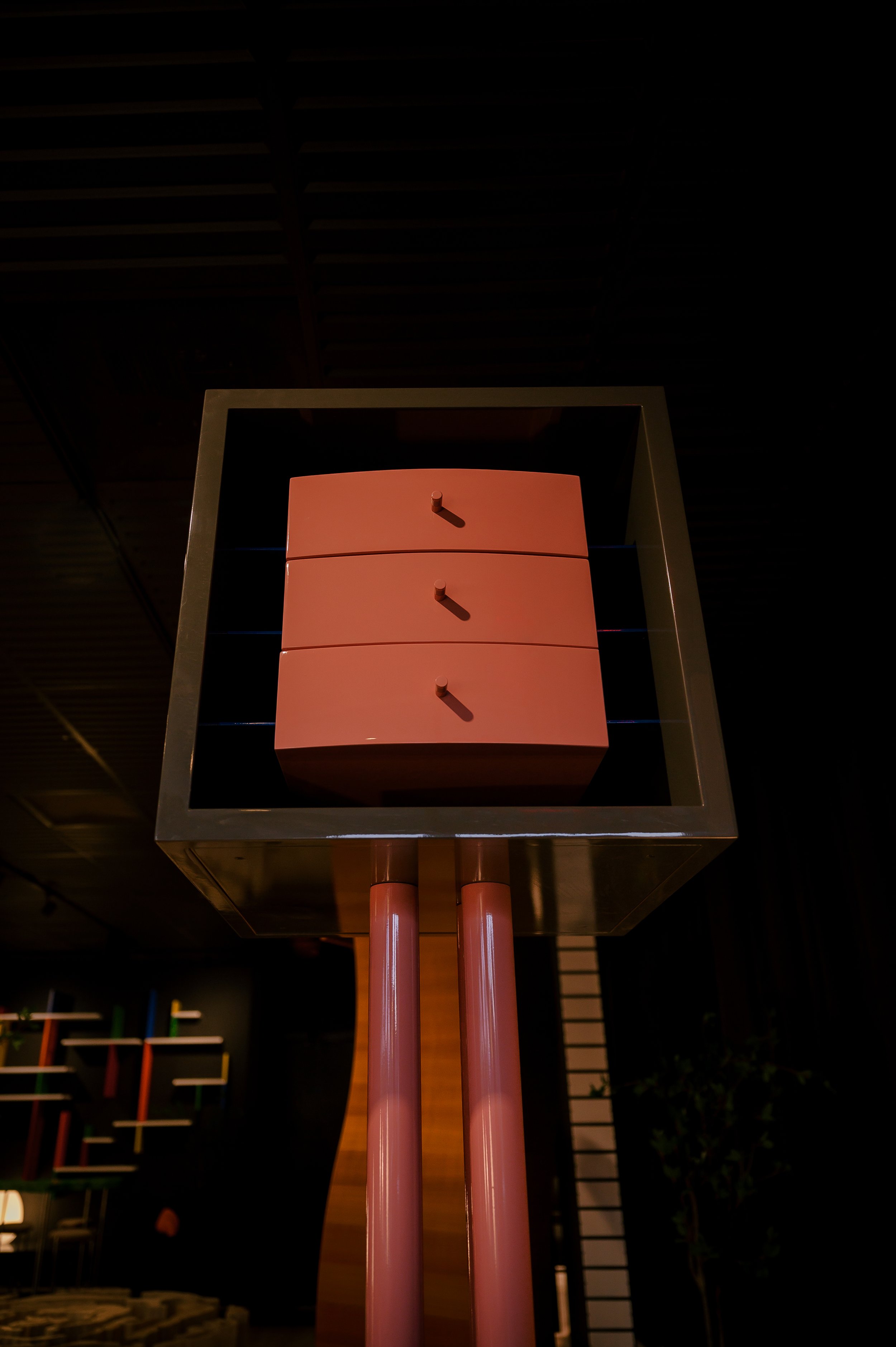
Jordan Moser is an American designer and creative director best known for shaping the visual and experiential identity of The Americans, one of Chicago’s most influential restaurant groups. Through a deeply narrative-driven approach, Moser has crafted interiors that feel both cinematic and lived-in—spaces where history, craft, and contemporary hospitality converge.
Working across a portfolio that includes beloved institutions and modern classics, Moser’s interiors balance Old World references with a distinctly American sensibility. Rich materials, layered textures, thoughtful lighting, and architectural restraint create environments that age gracefully and prioritize atmosphere over trend. His work is defined by authenticity: dining rooms feel rooted in place and culture, yet flexible enough to evolve over time.
Under Moser’s direction, The Americans’ restaurants are not just backdrops for dining but immersive settings that reinforce memory, ritual, and connection. His design philosophy positions interiors as quiet storytellers—supporting food, service, and community while leaving a lasting emotional impression.
Inquire for pricing info@pdagallery.com
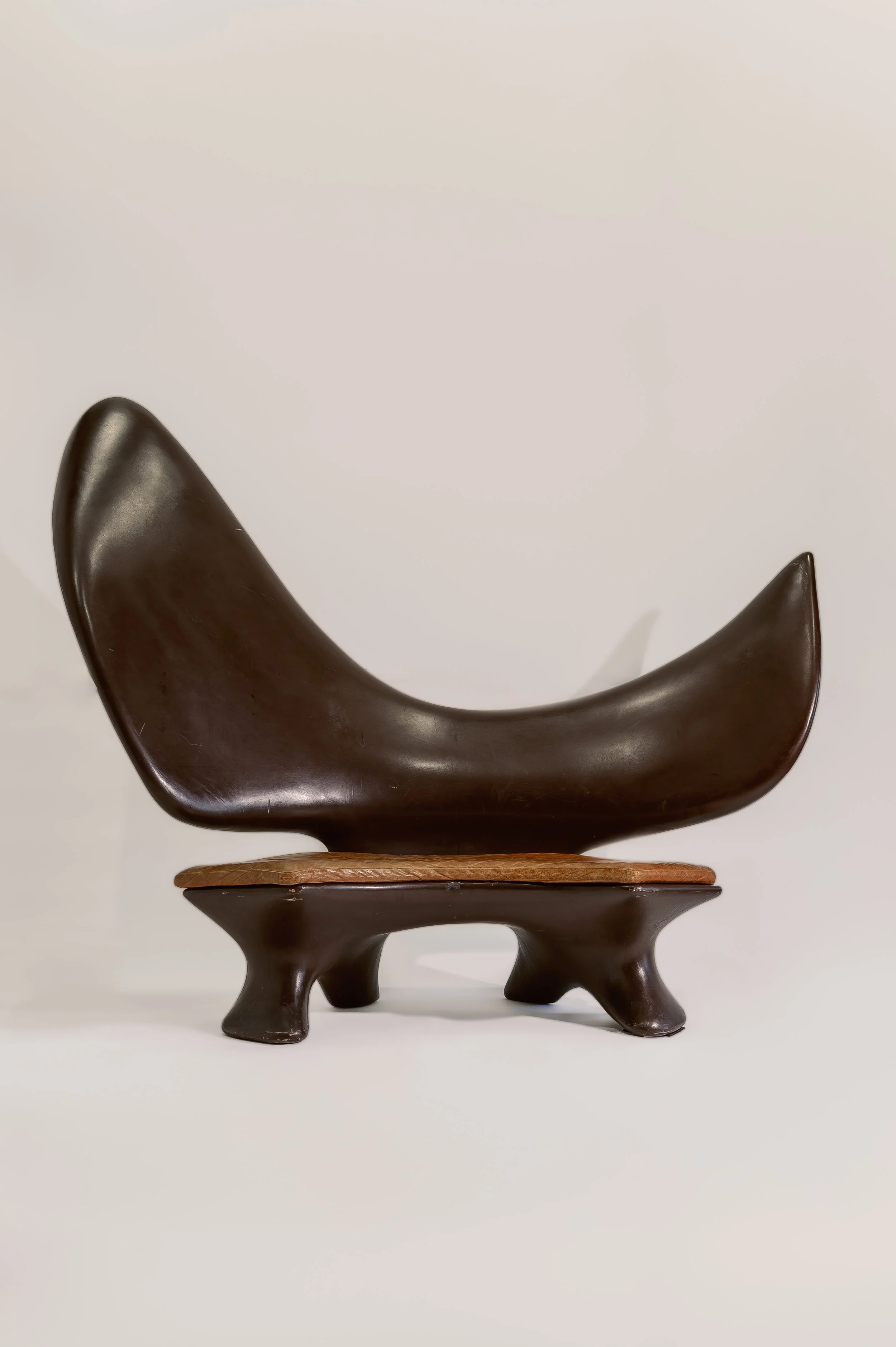
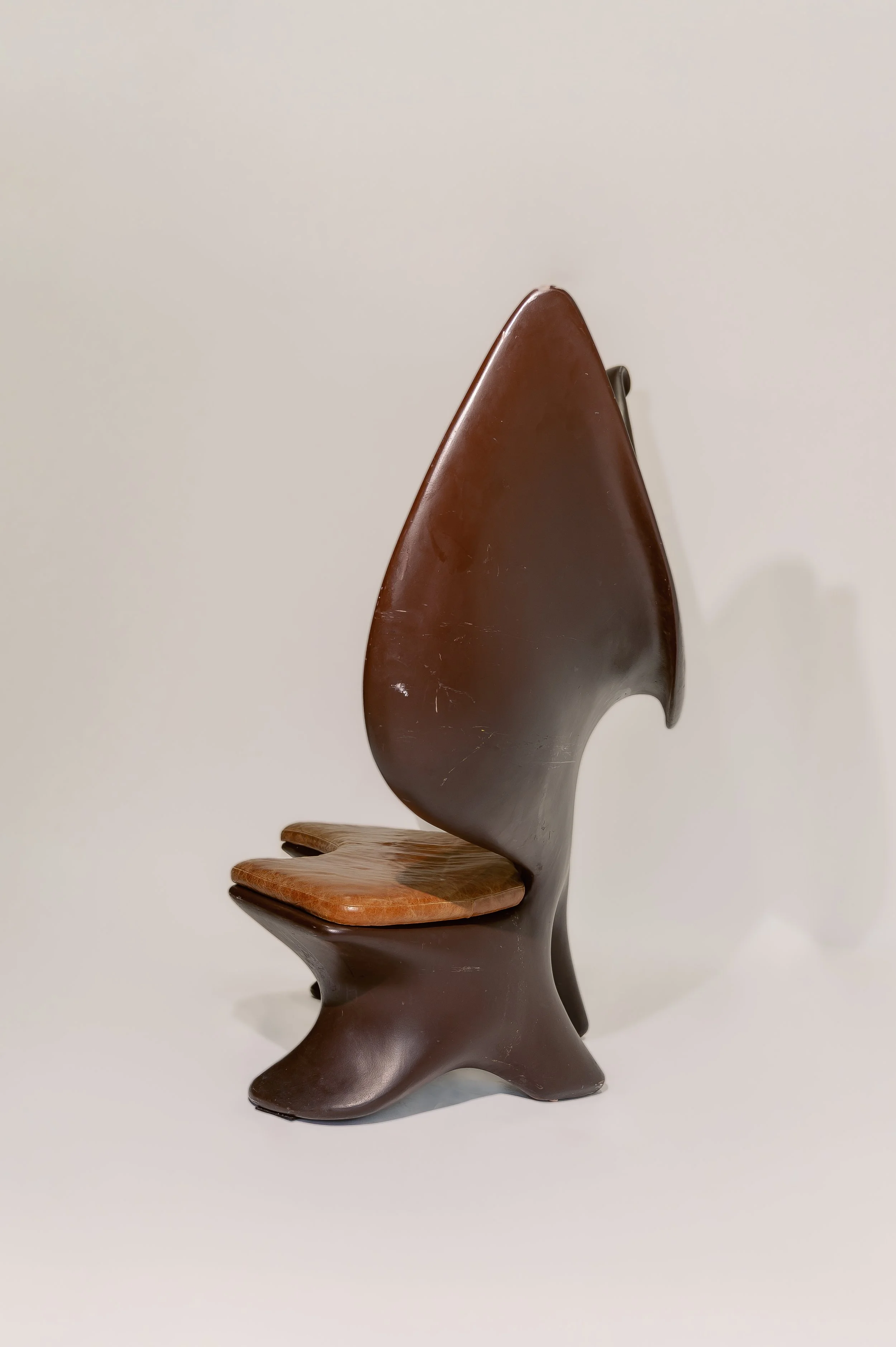
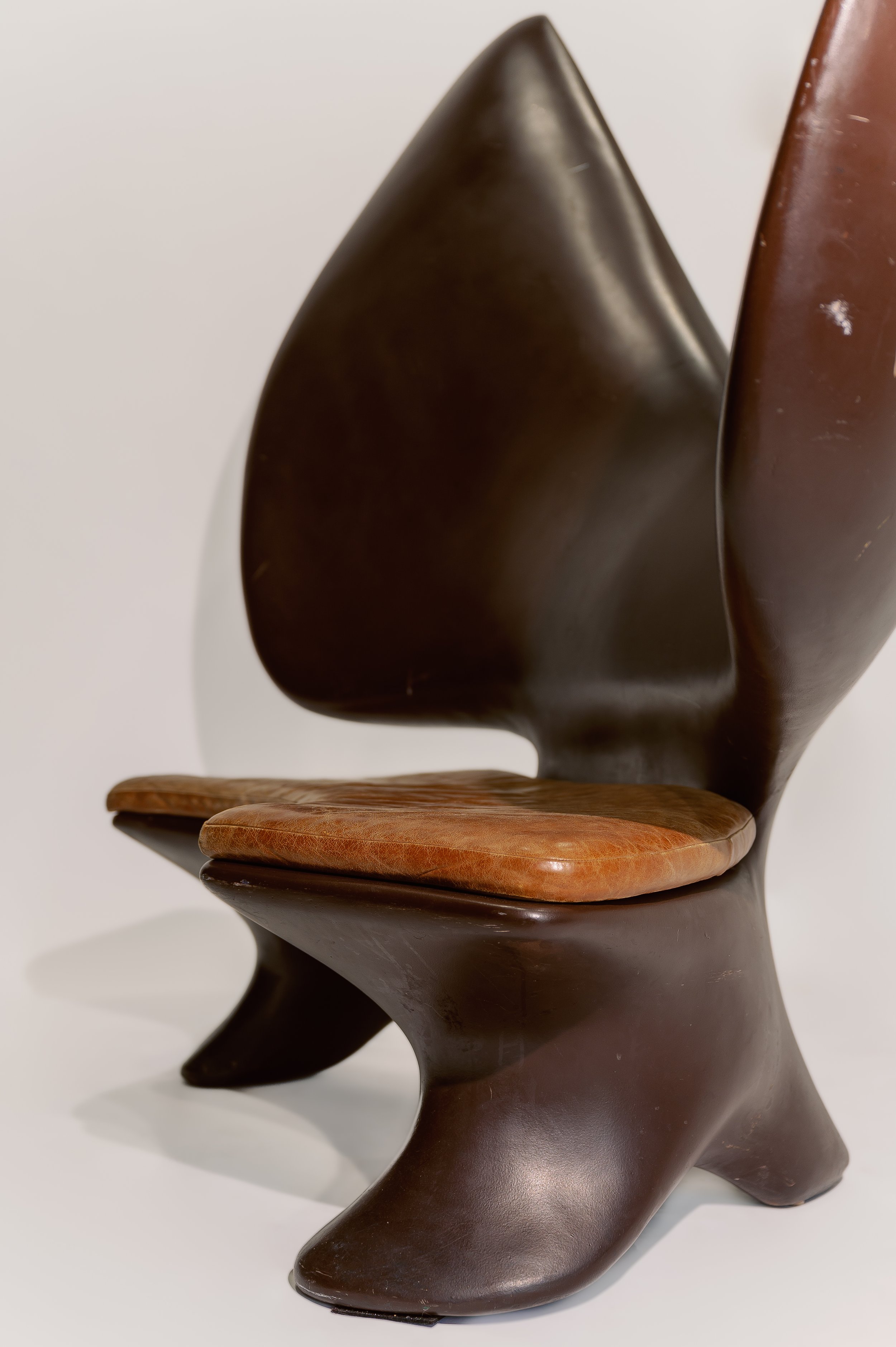
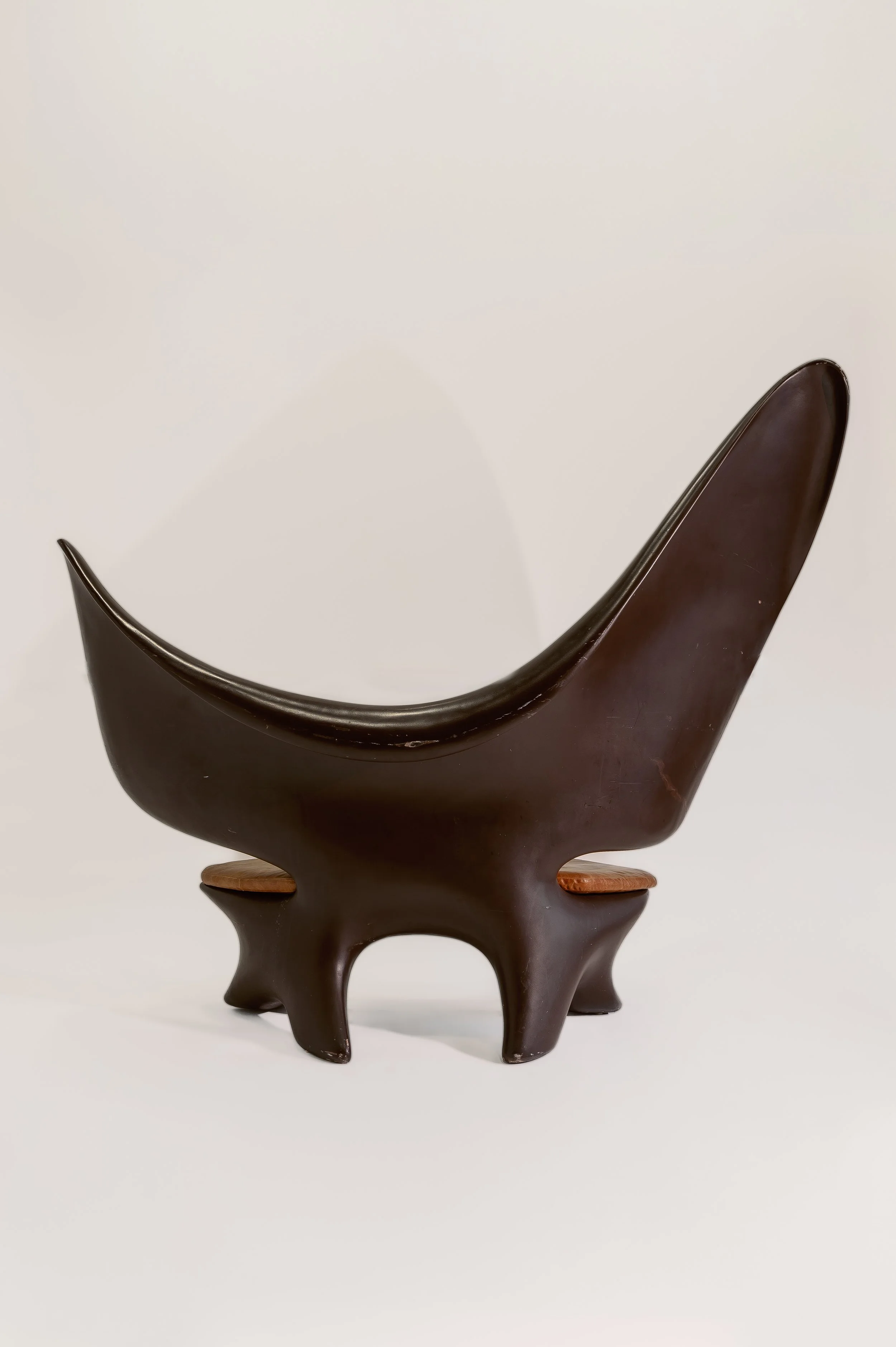
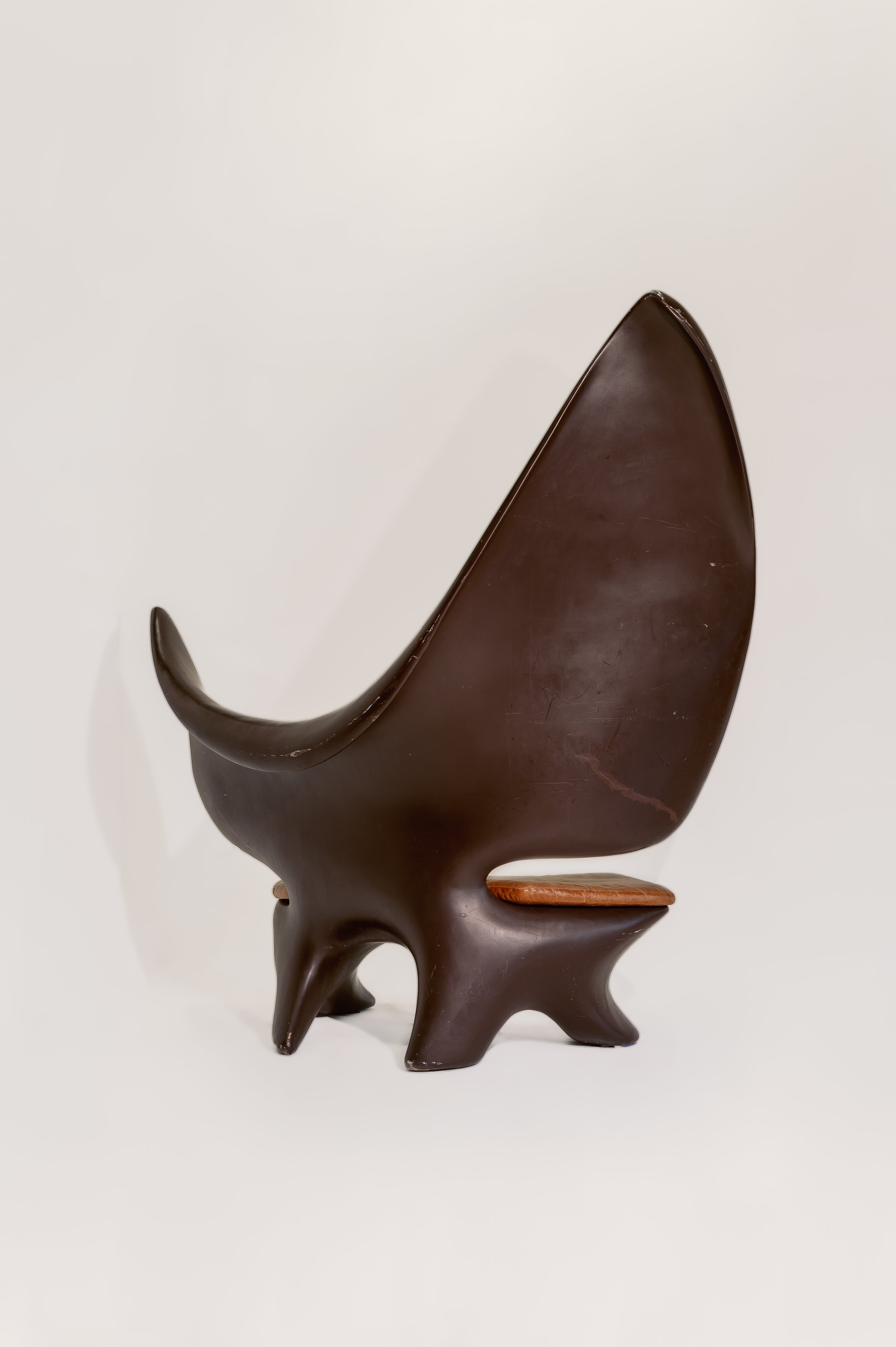
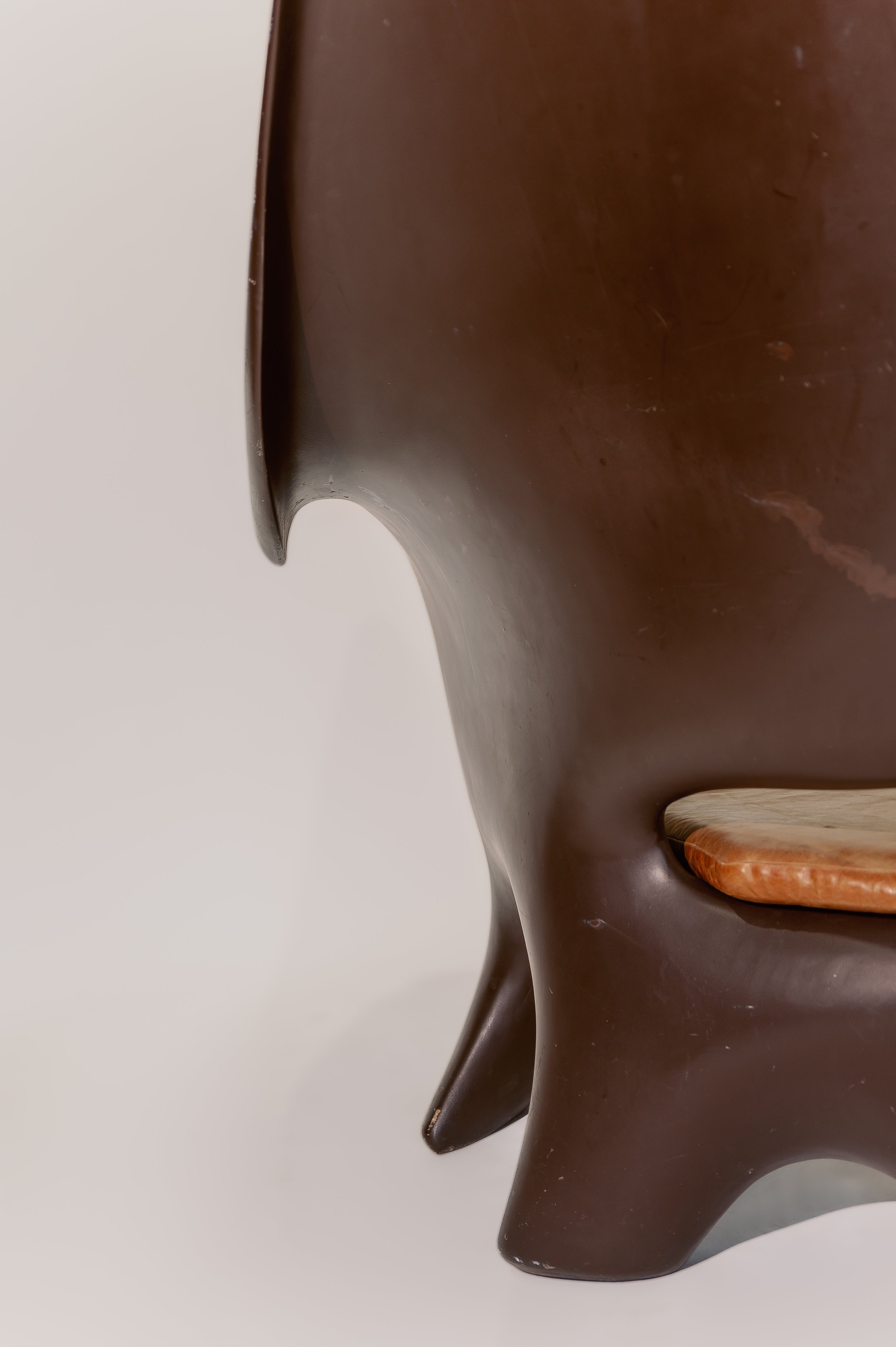
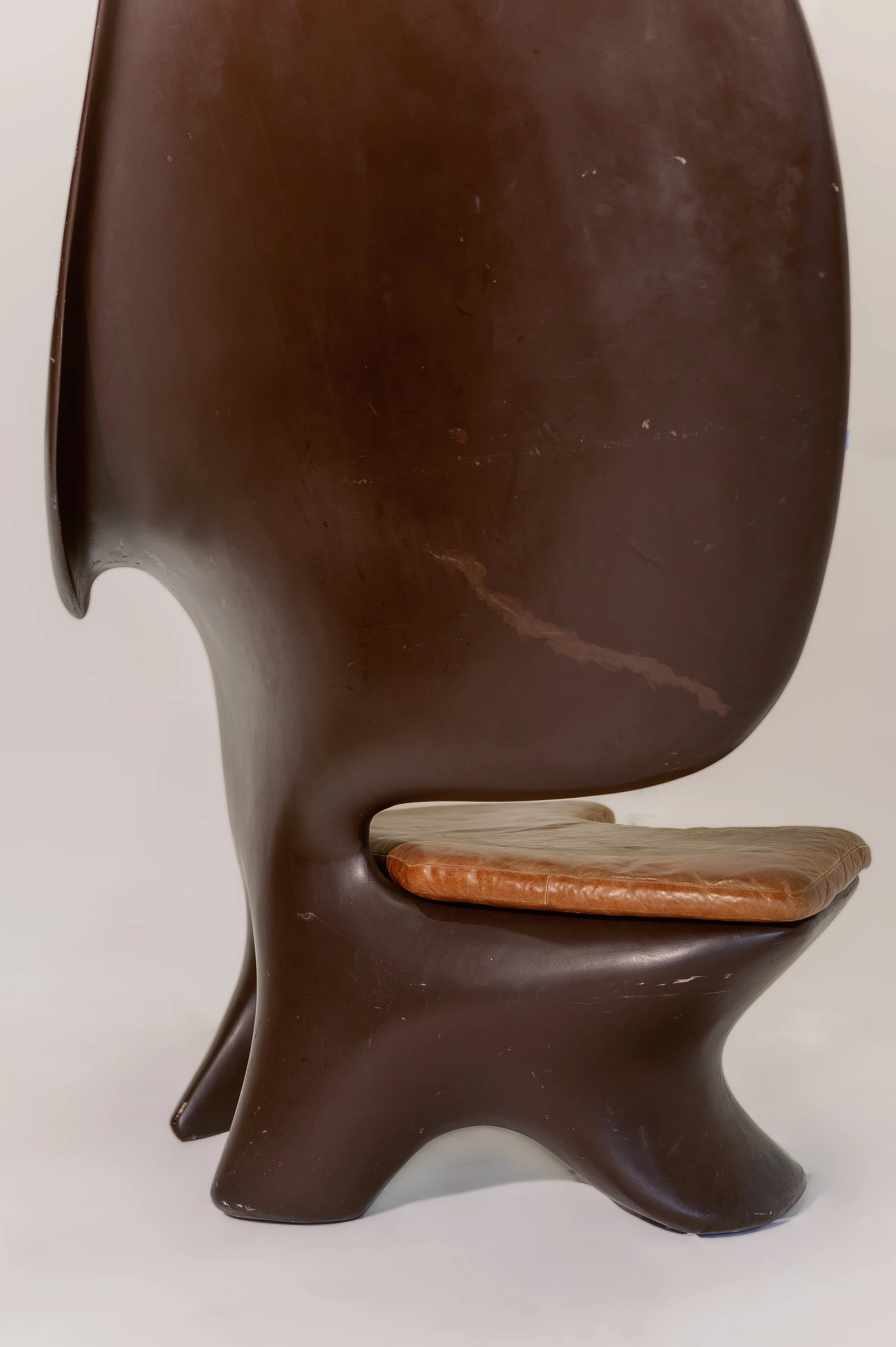
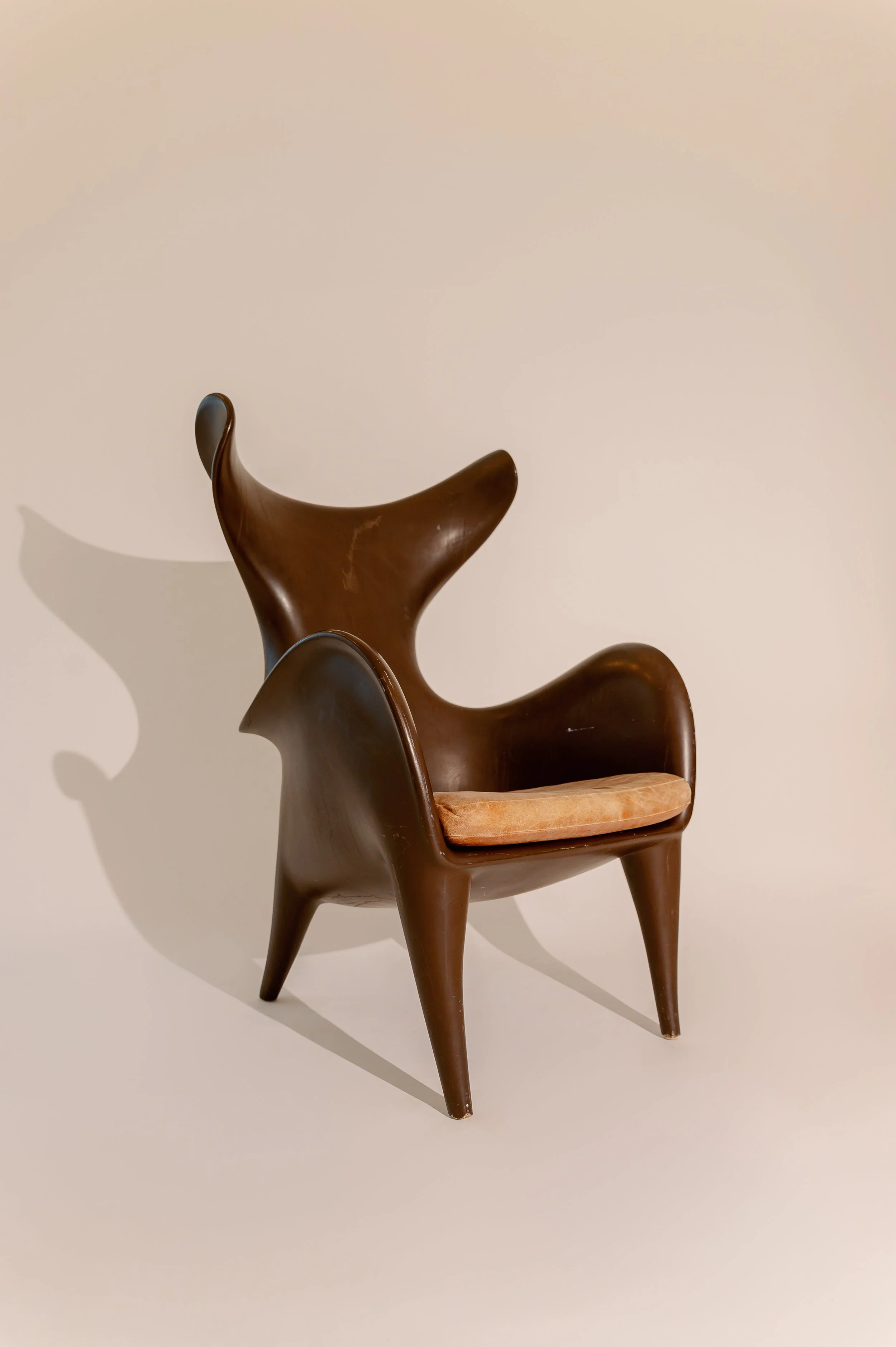
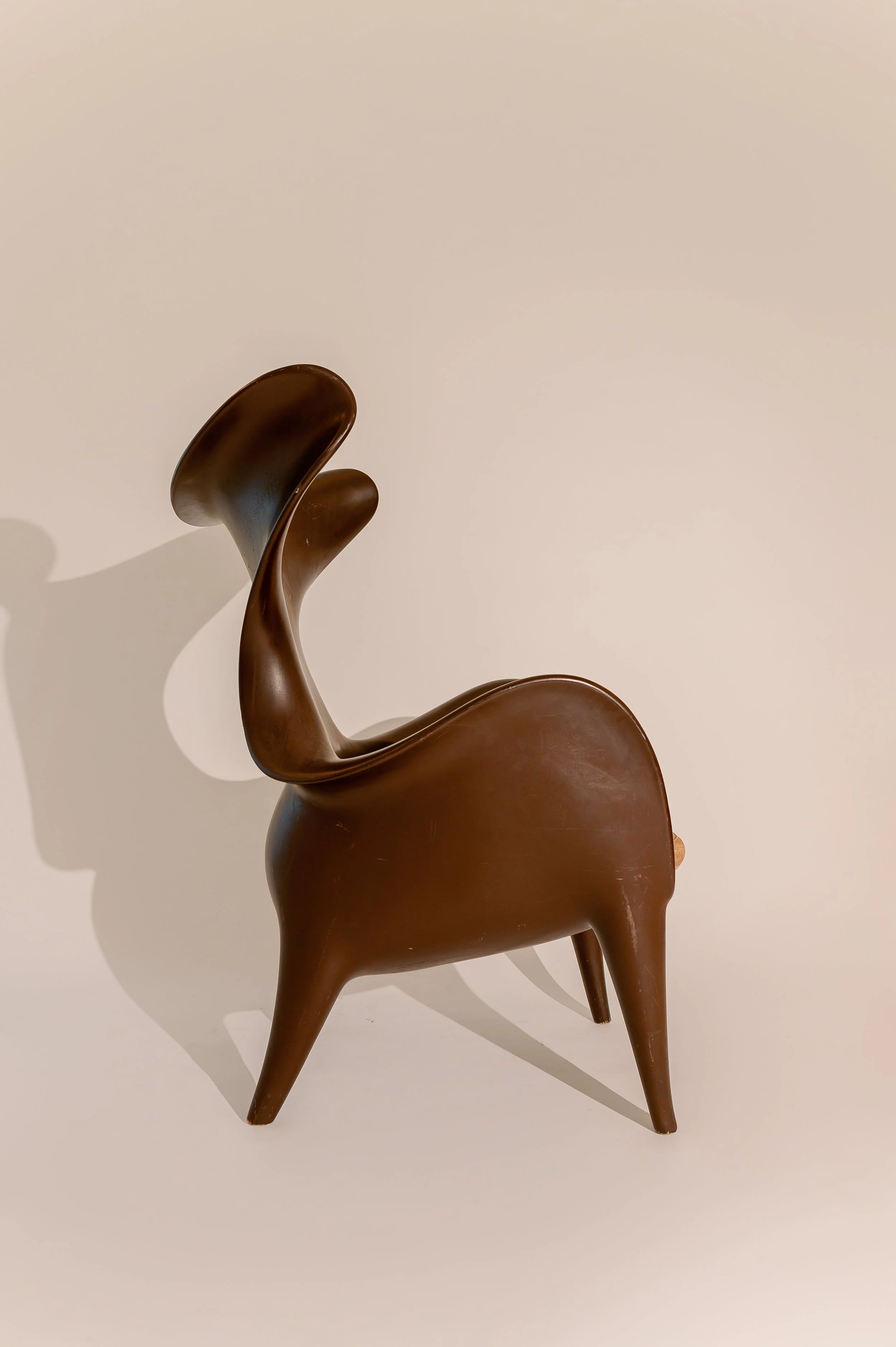
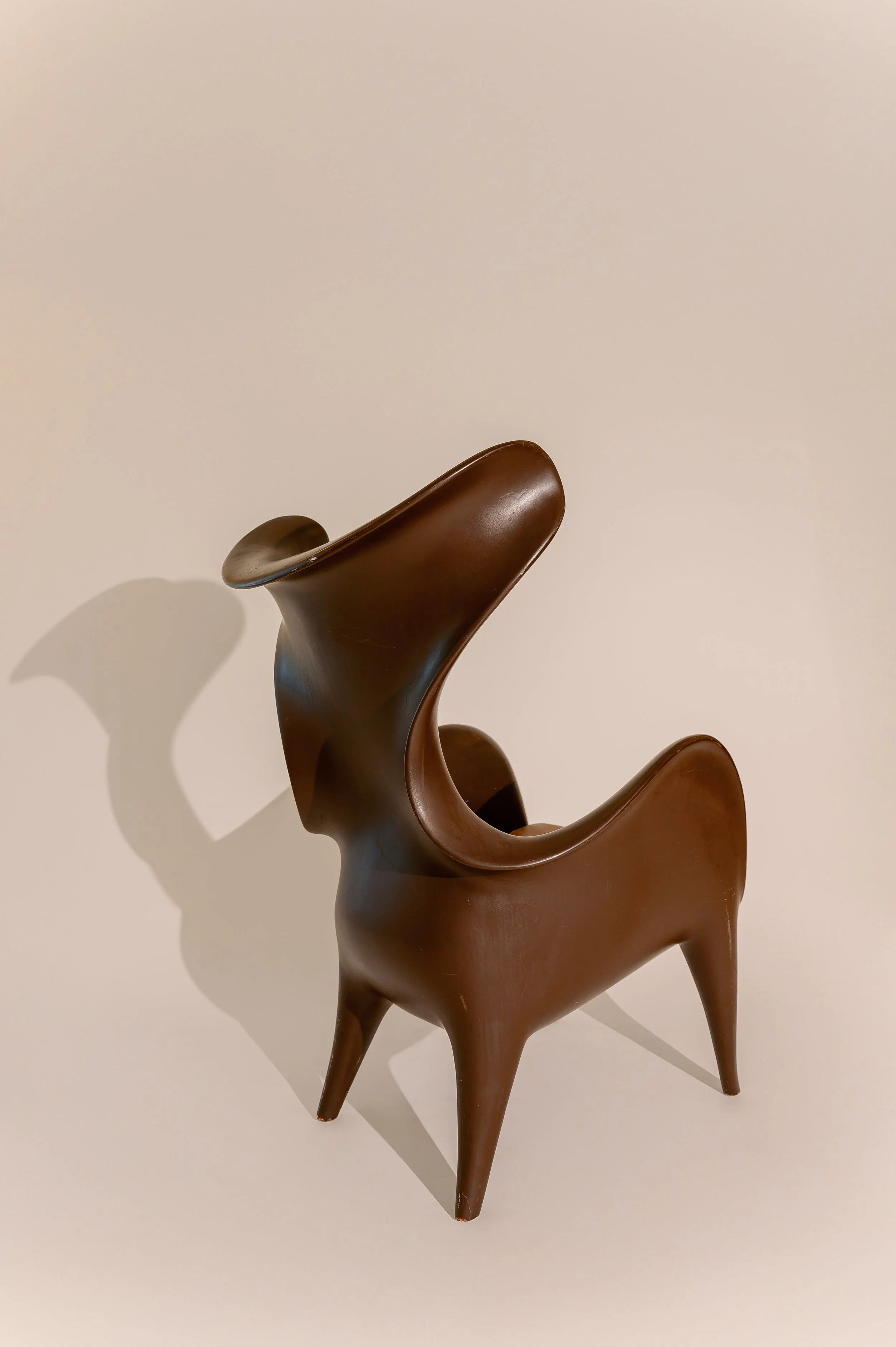
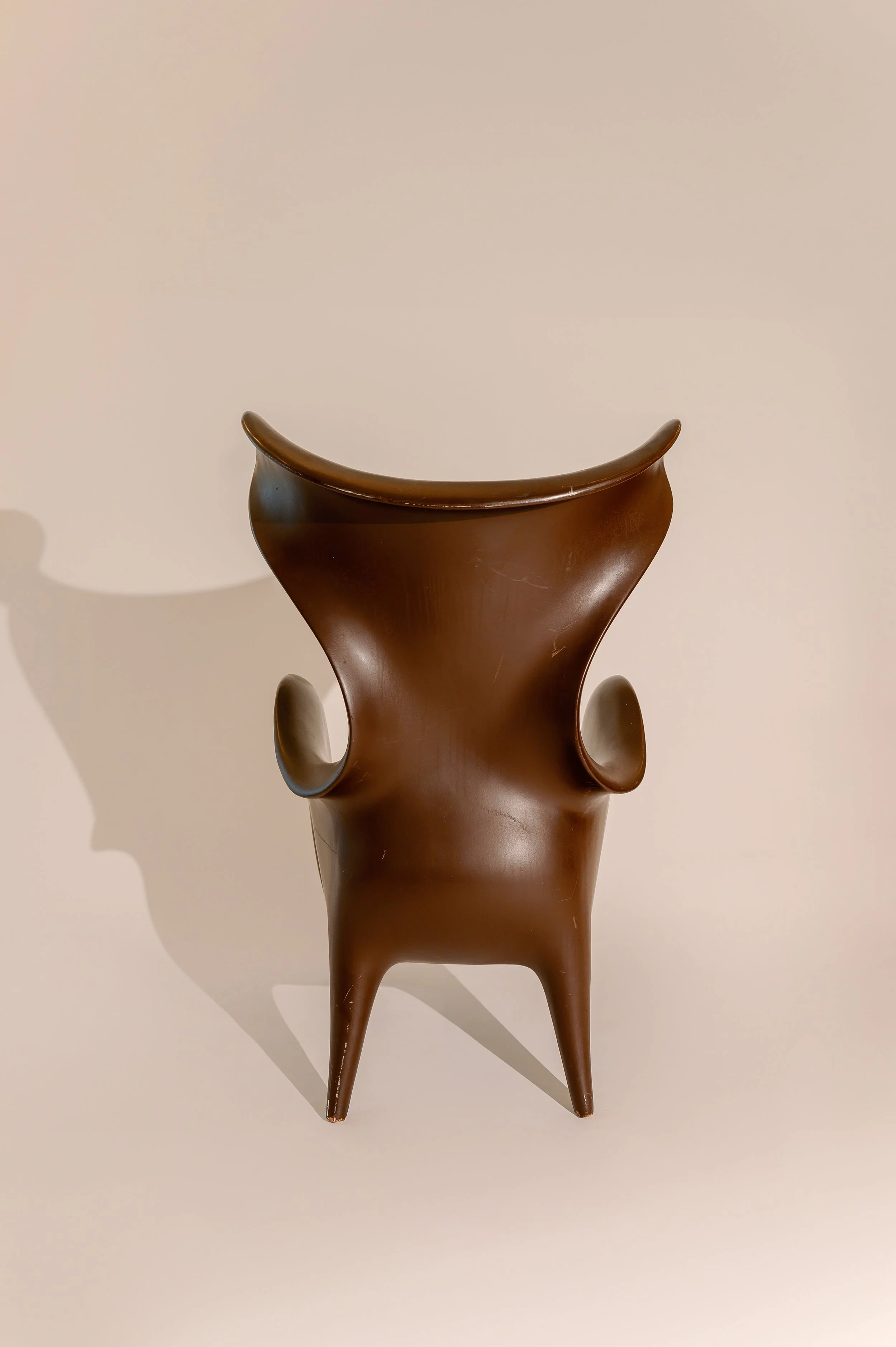
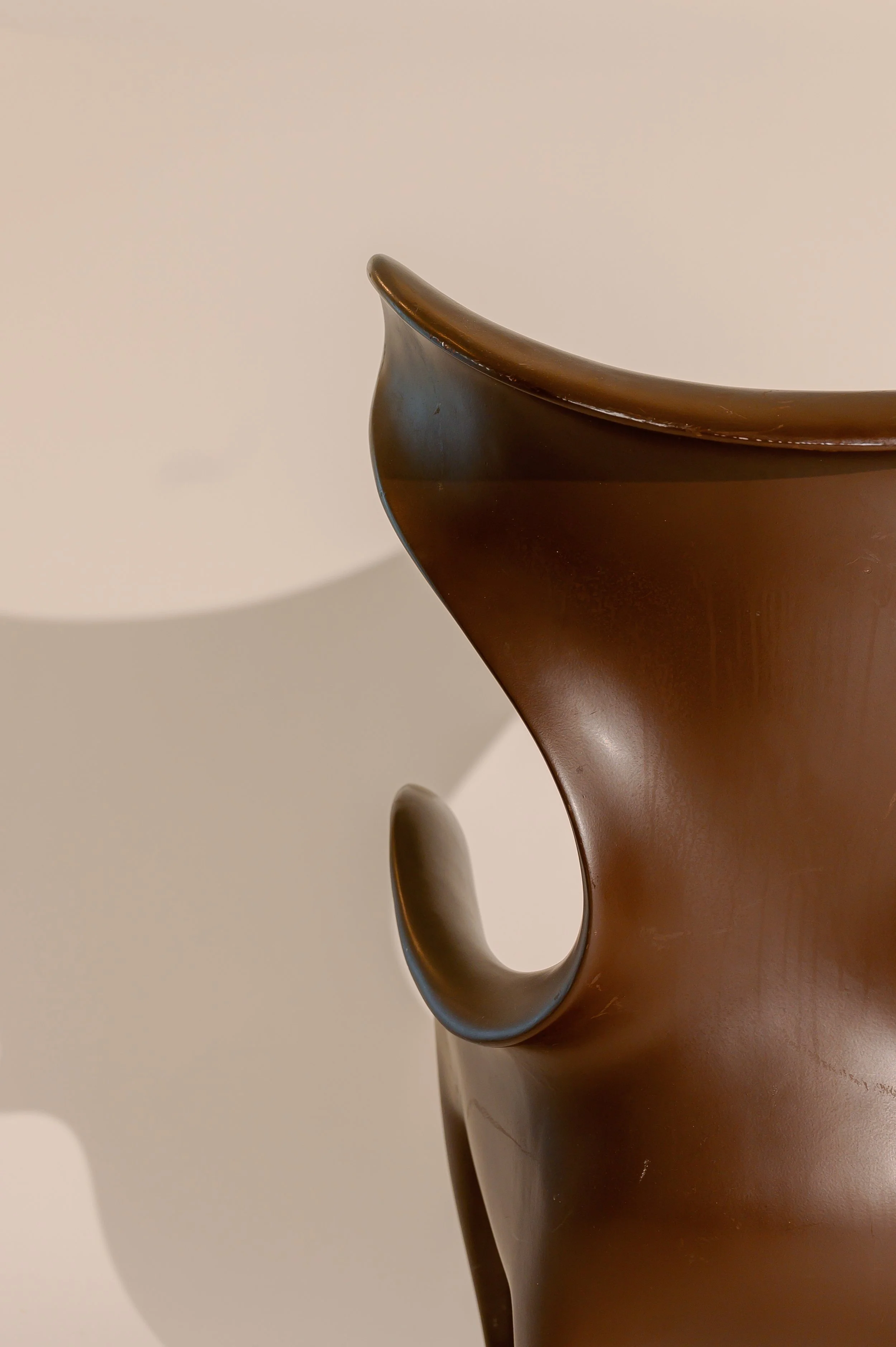
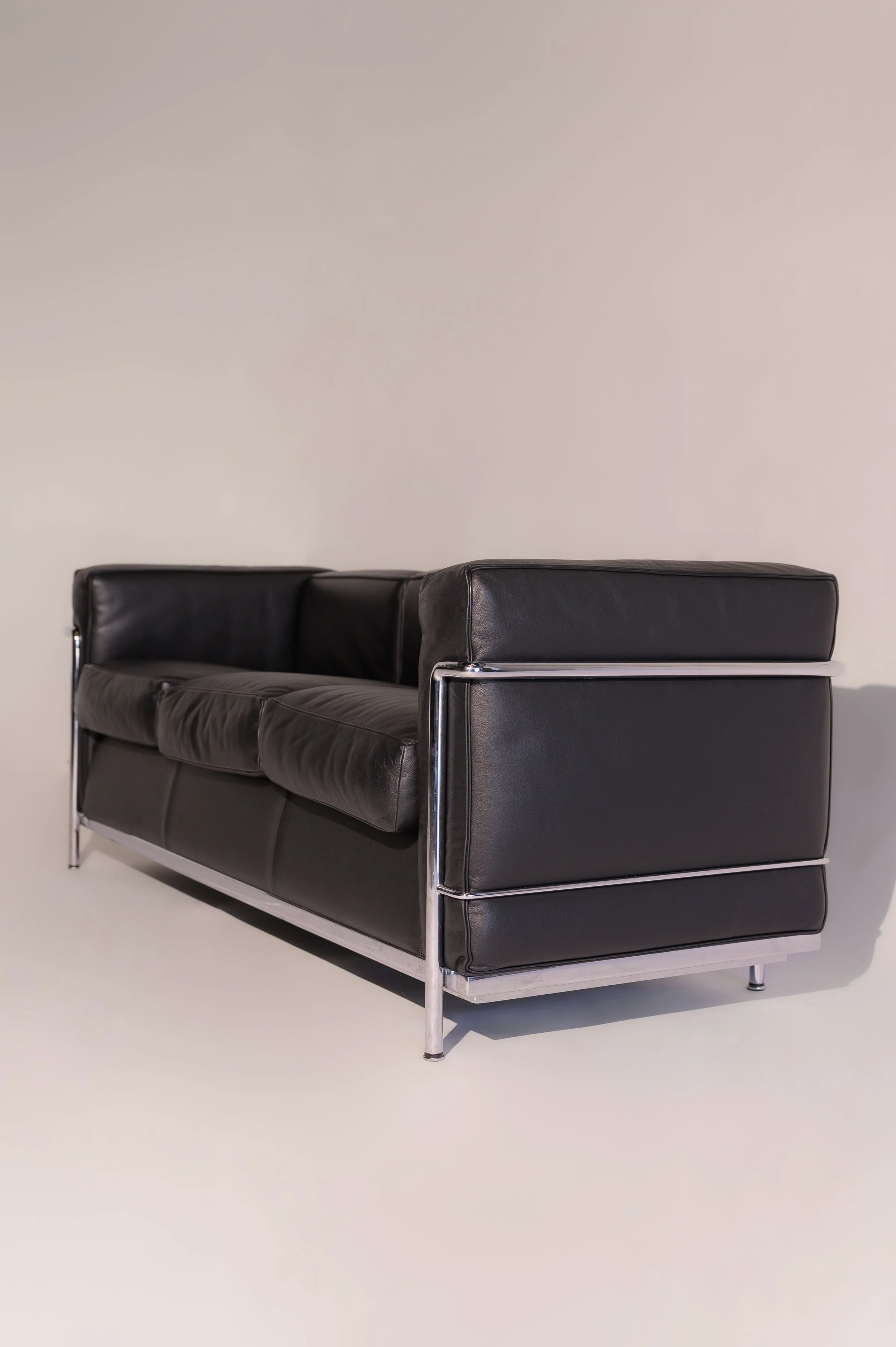
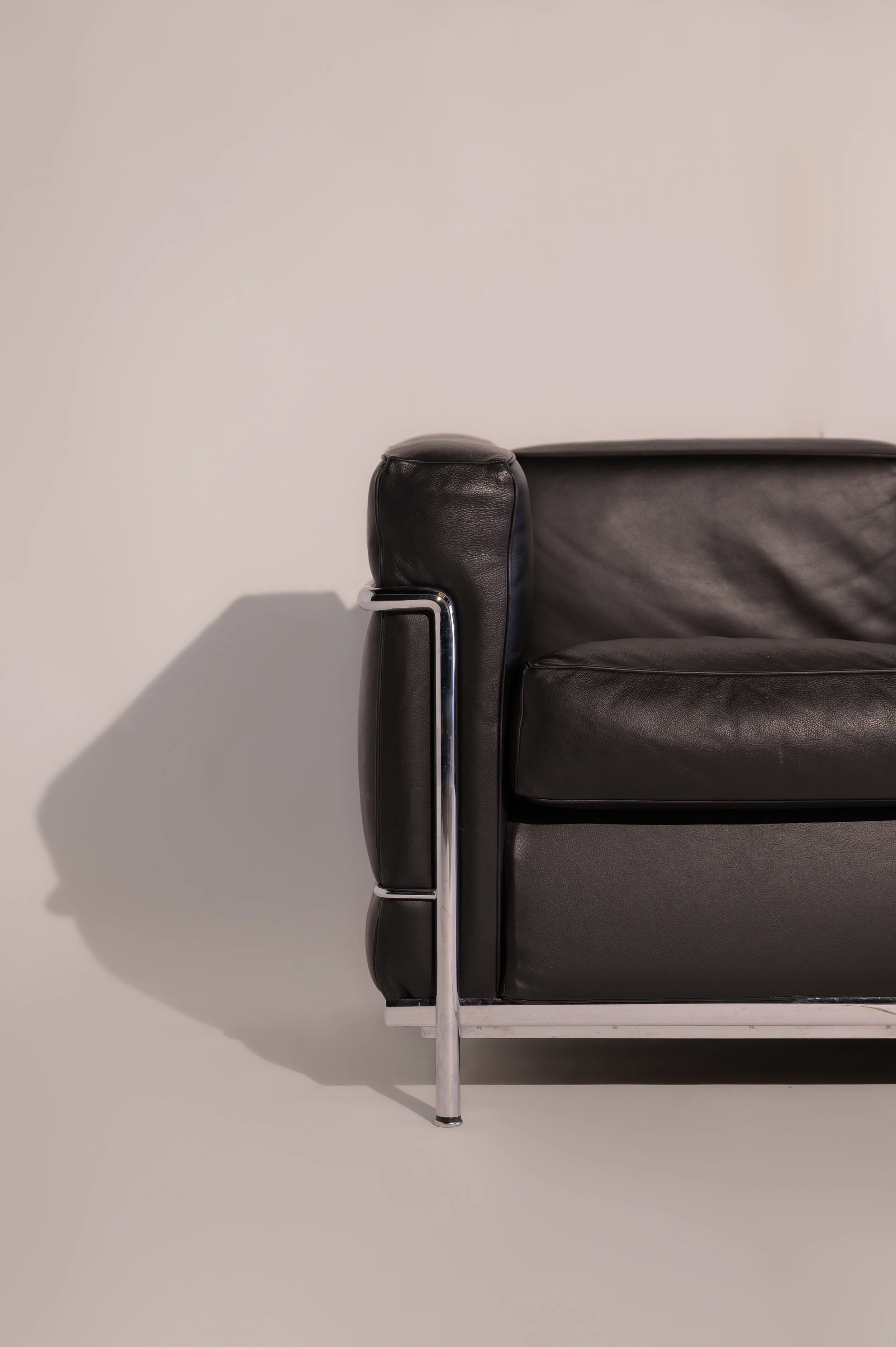
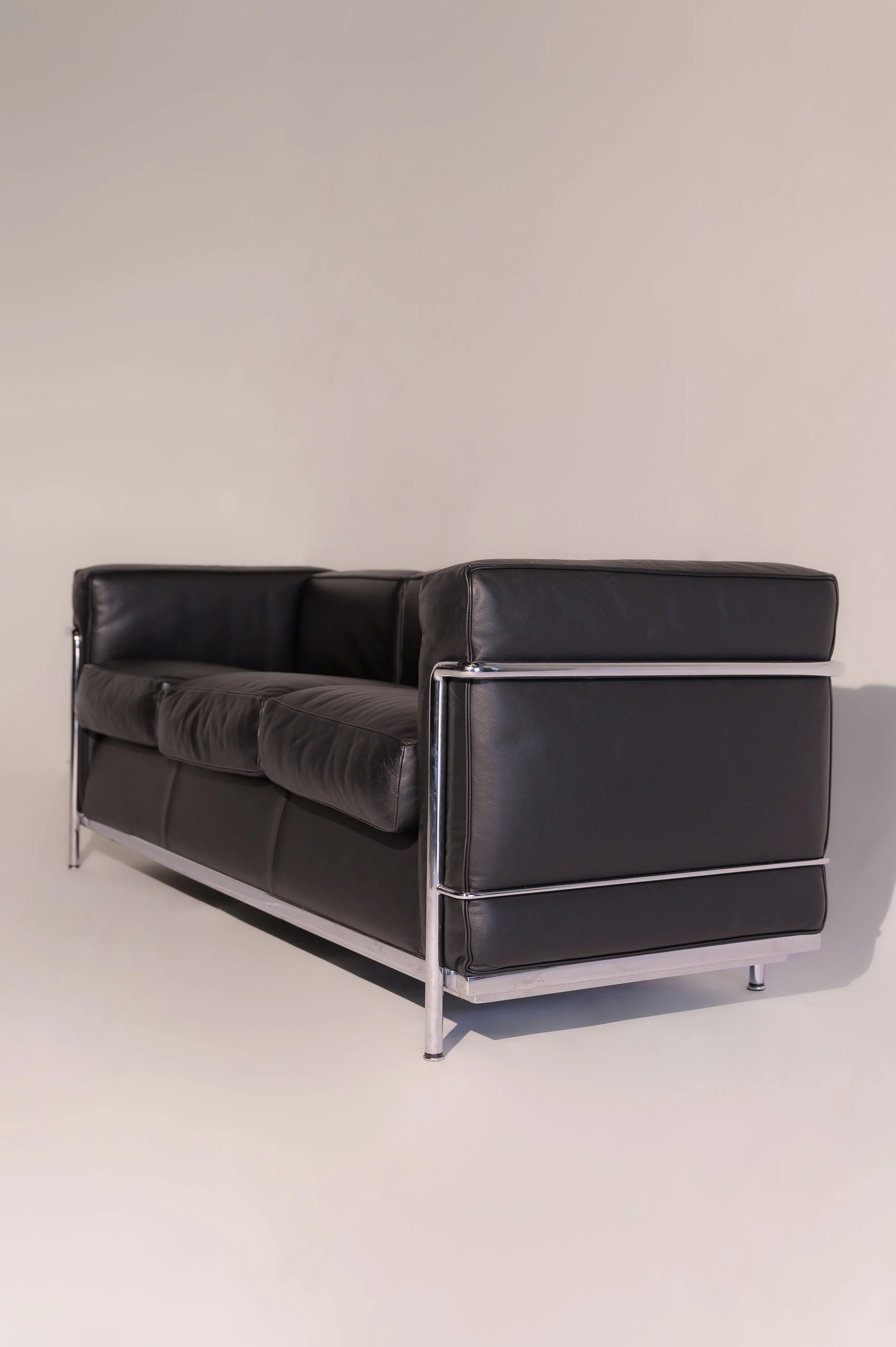
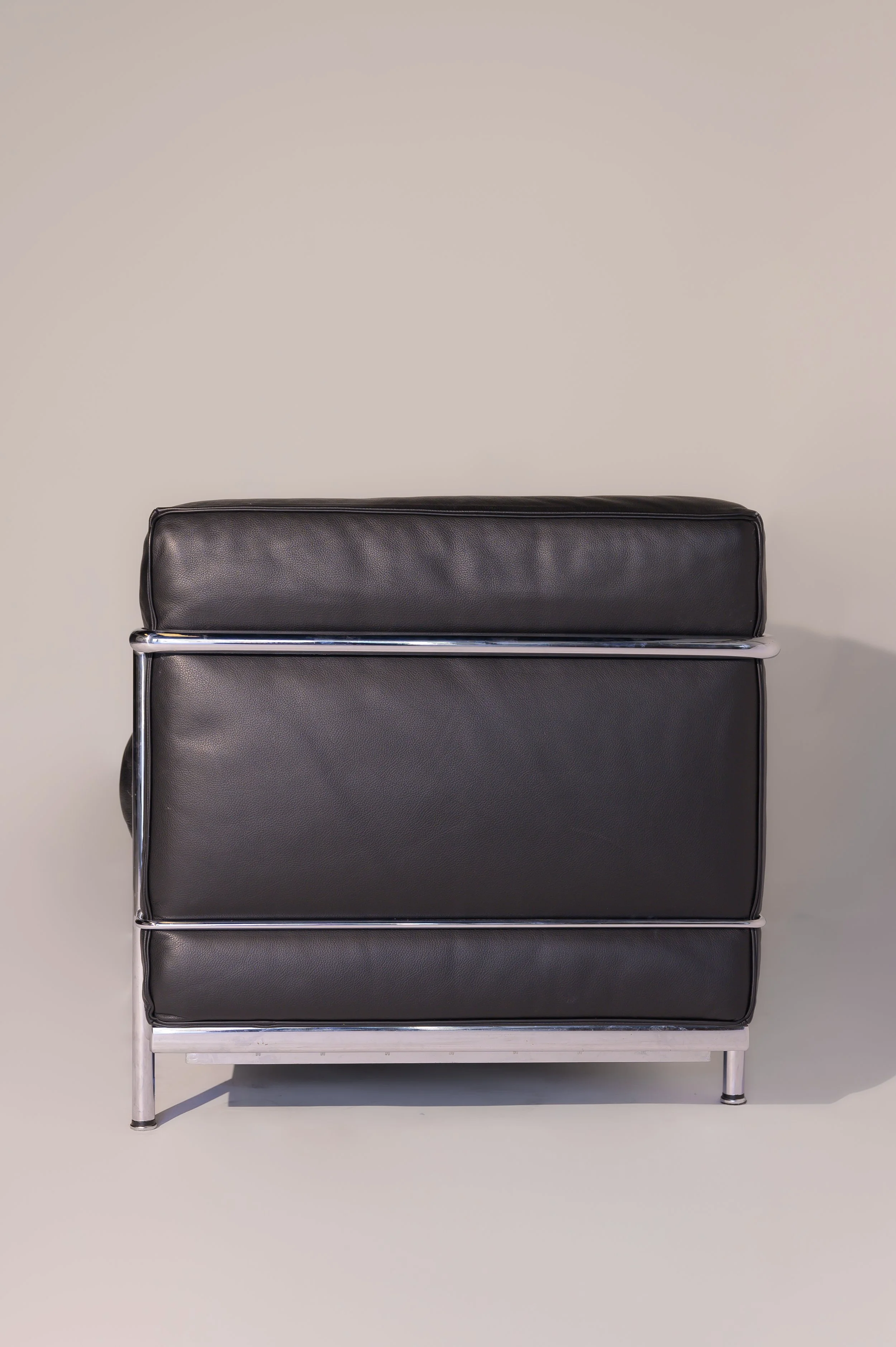
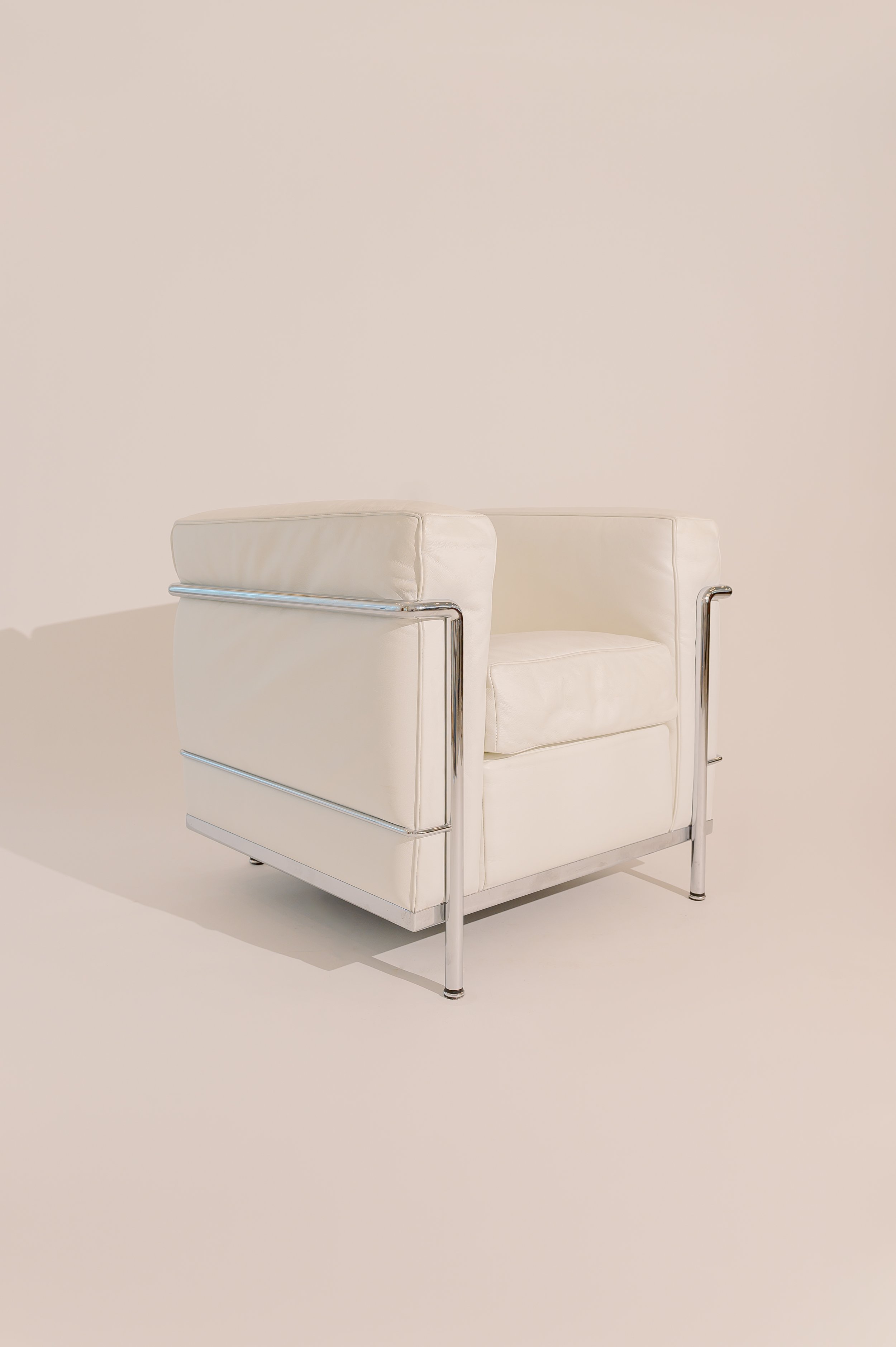
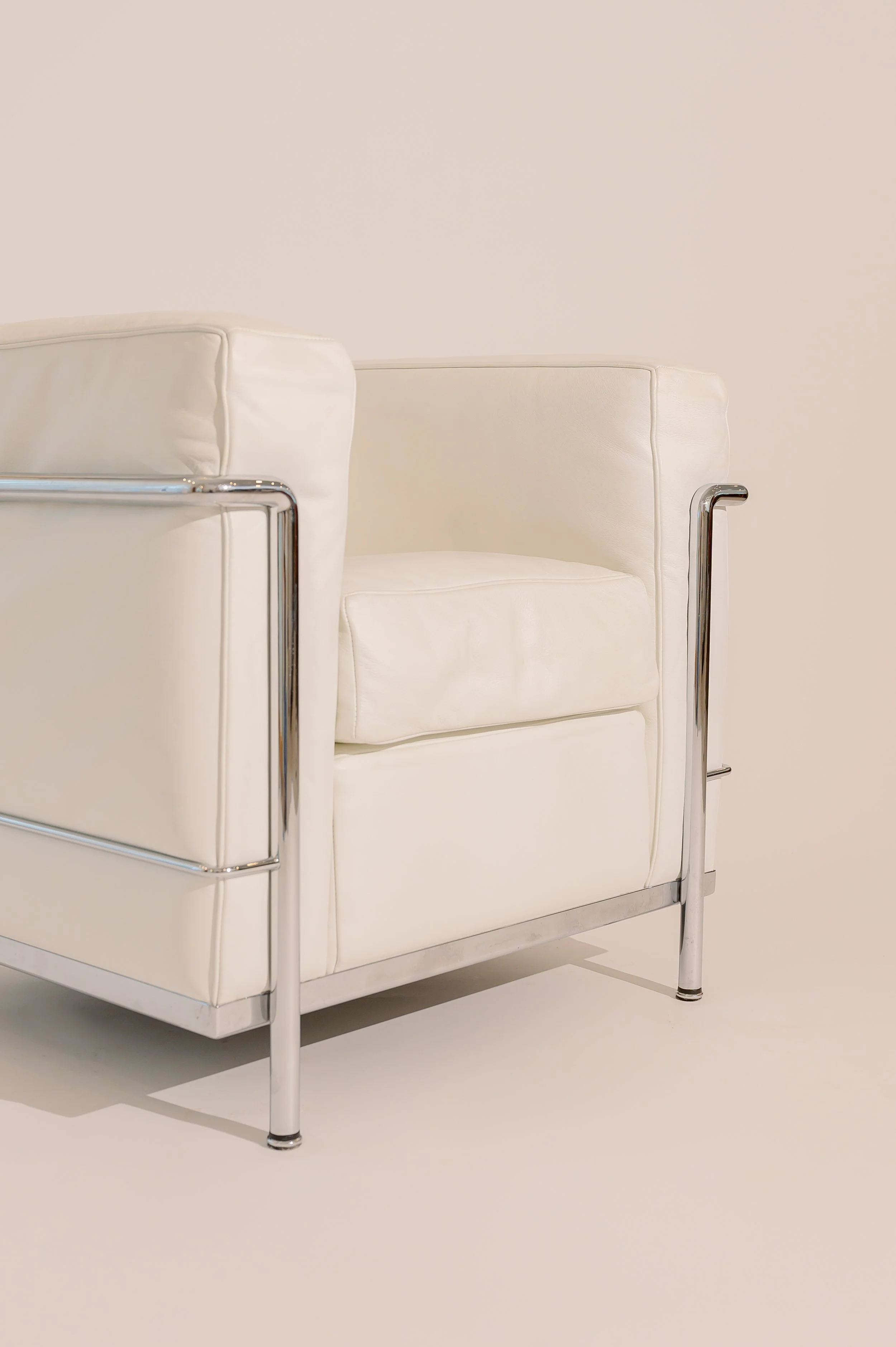
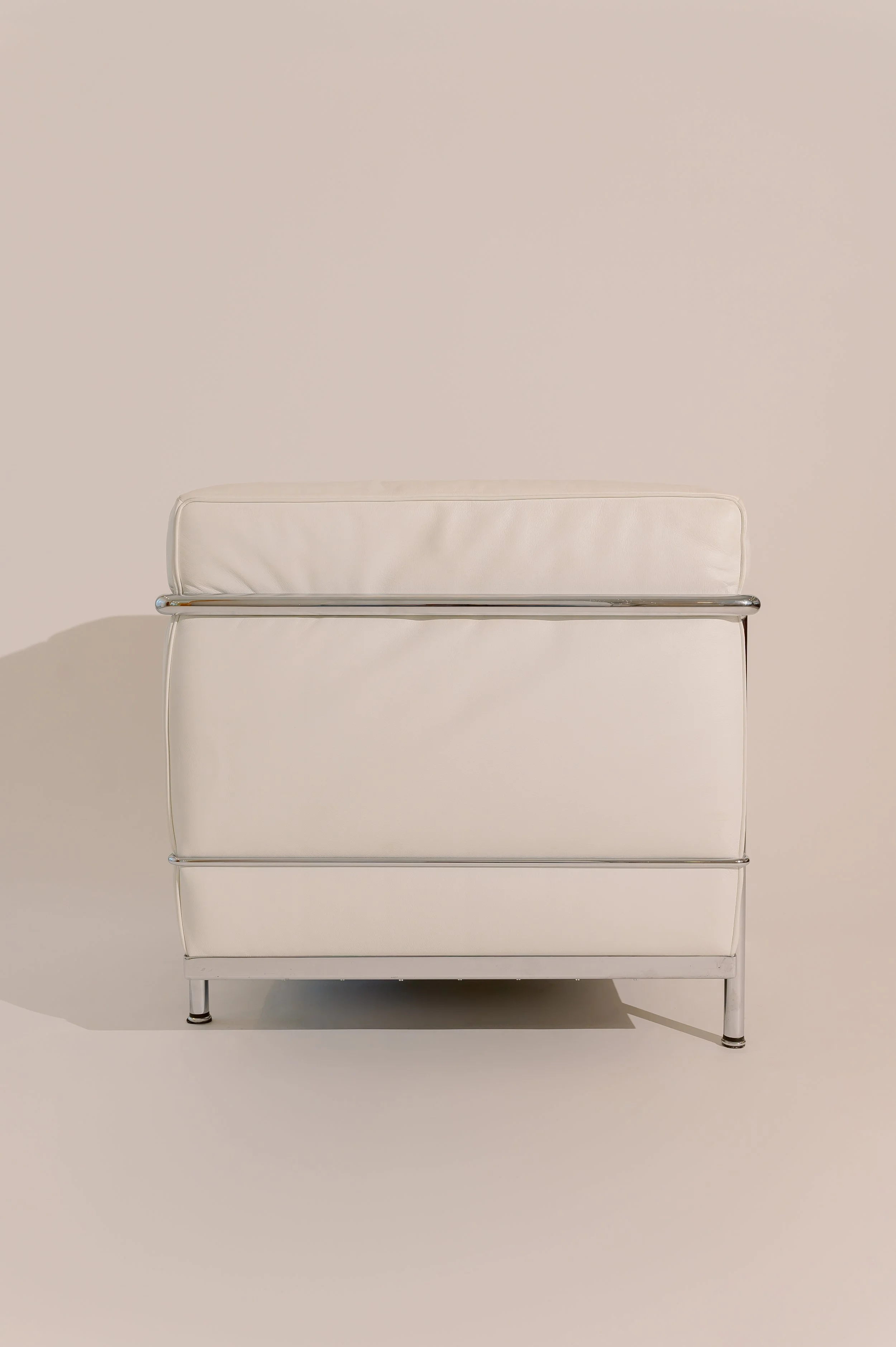
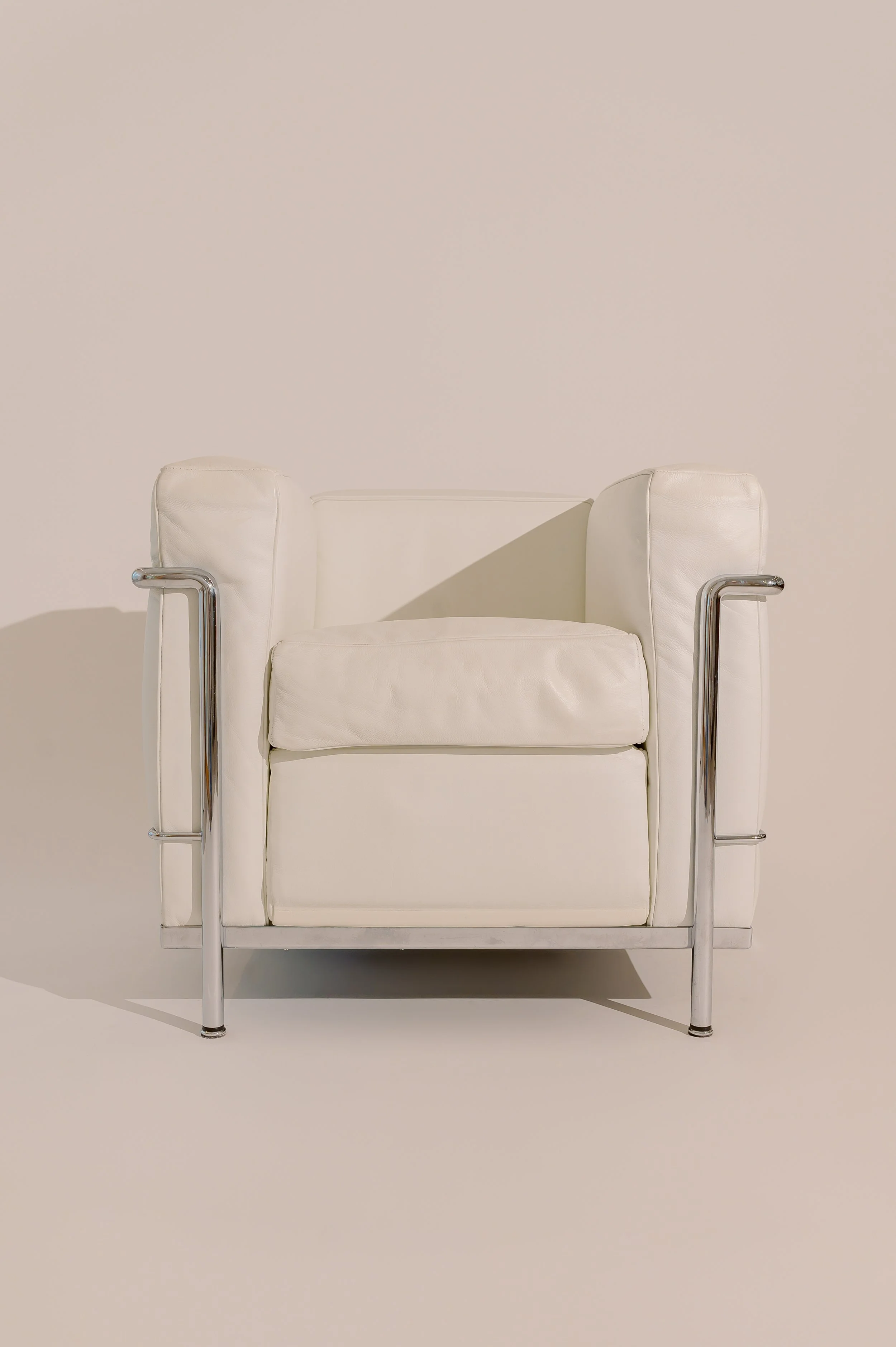
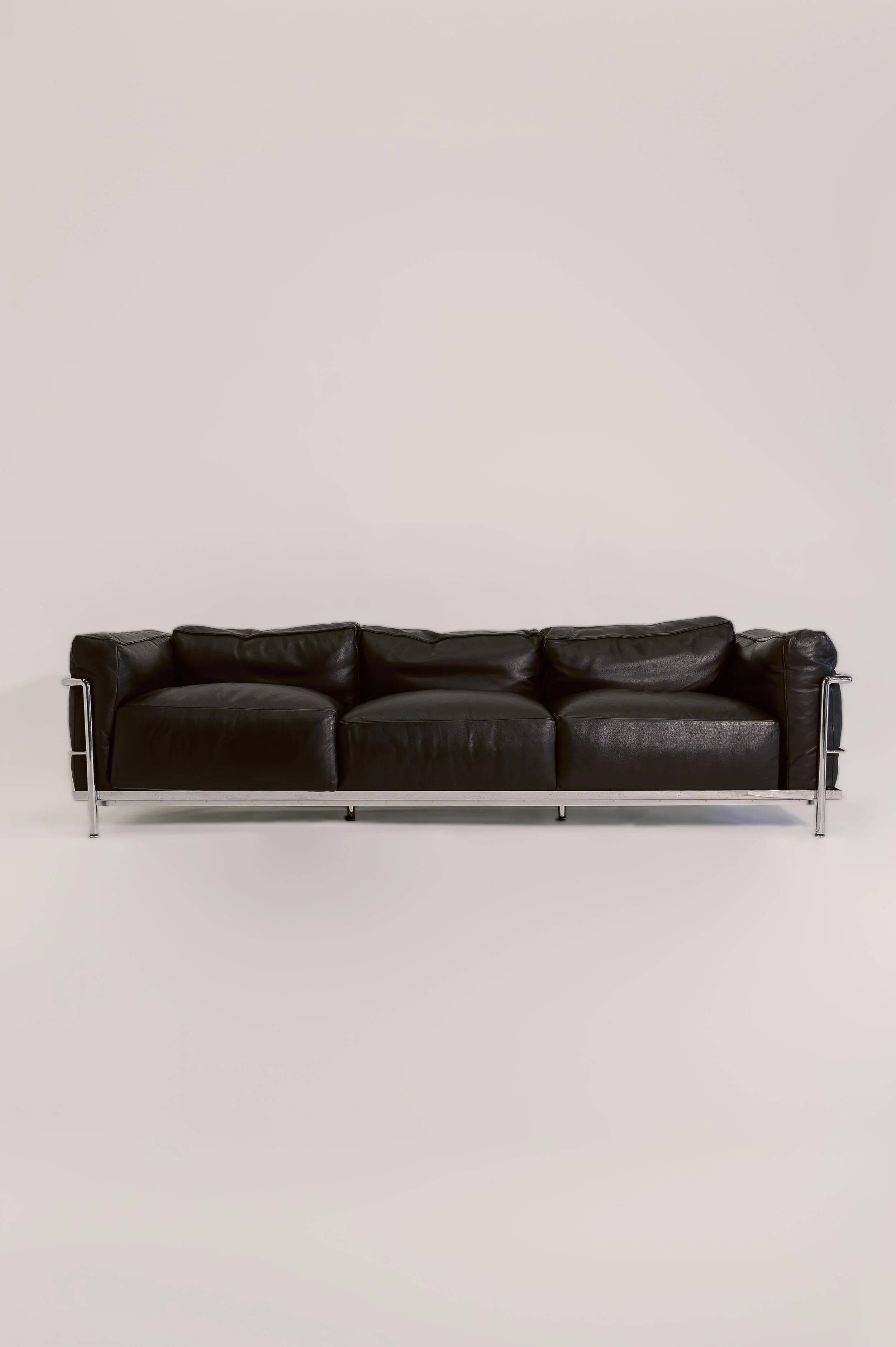
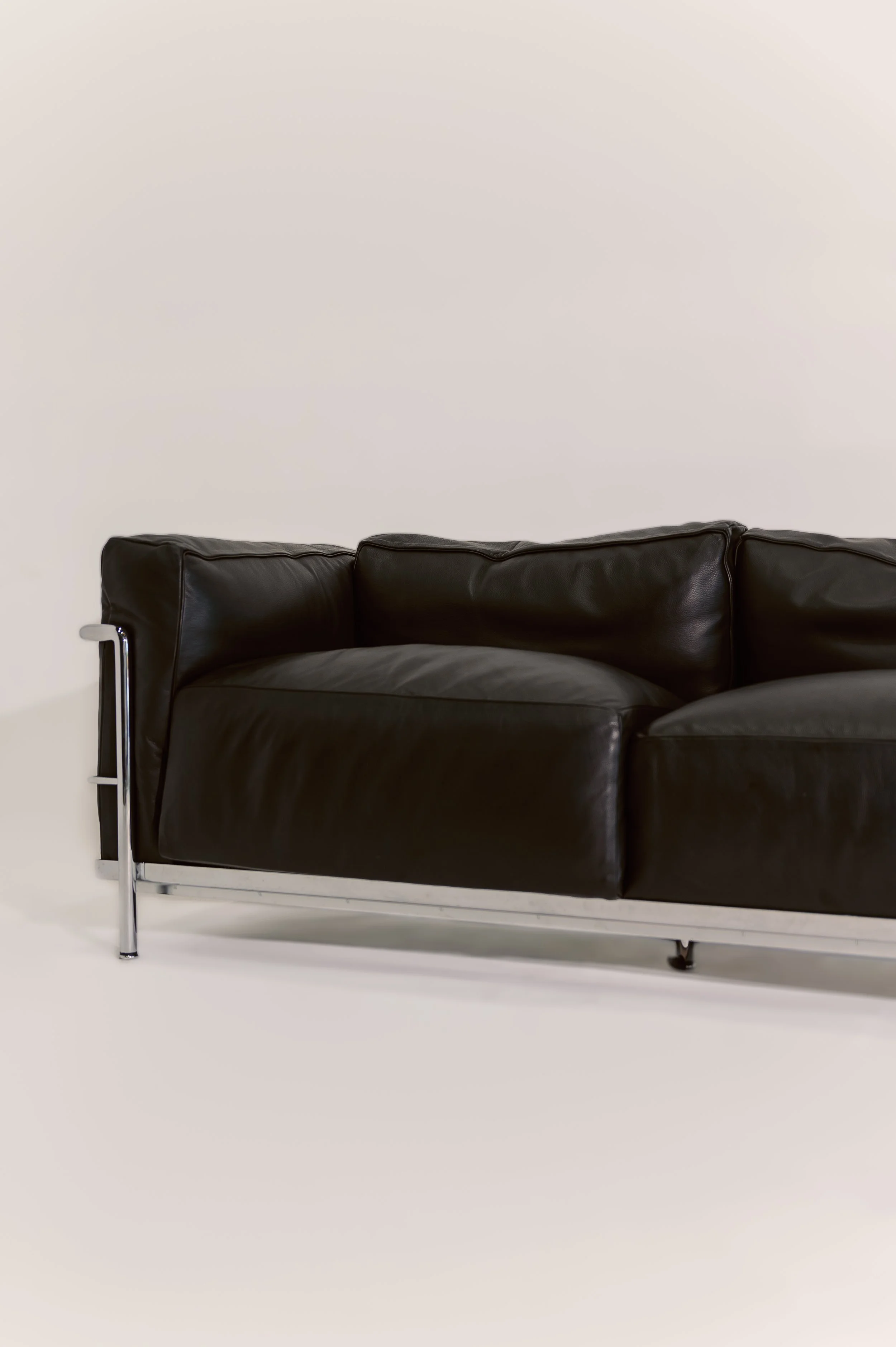
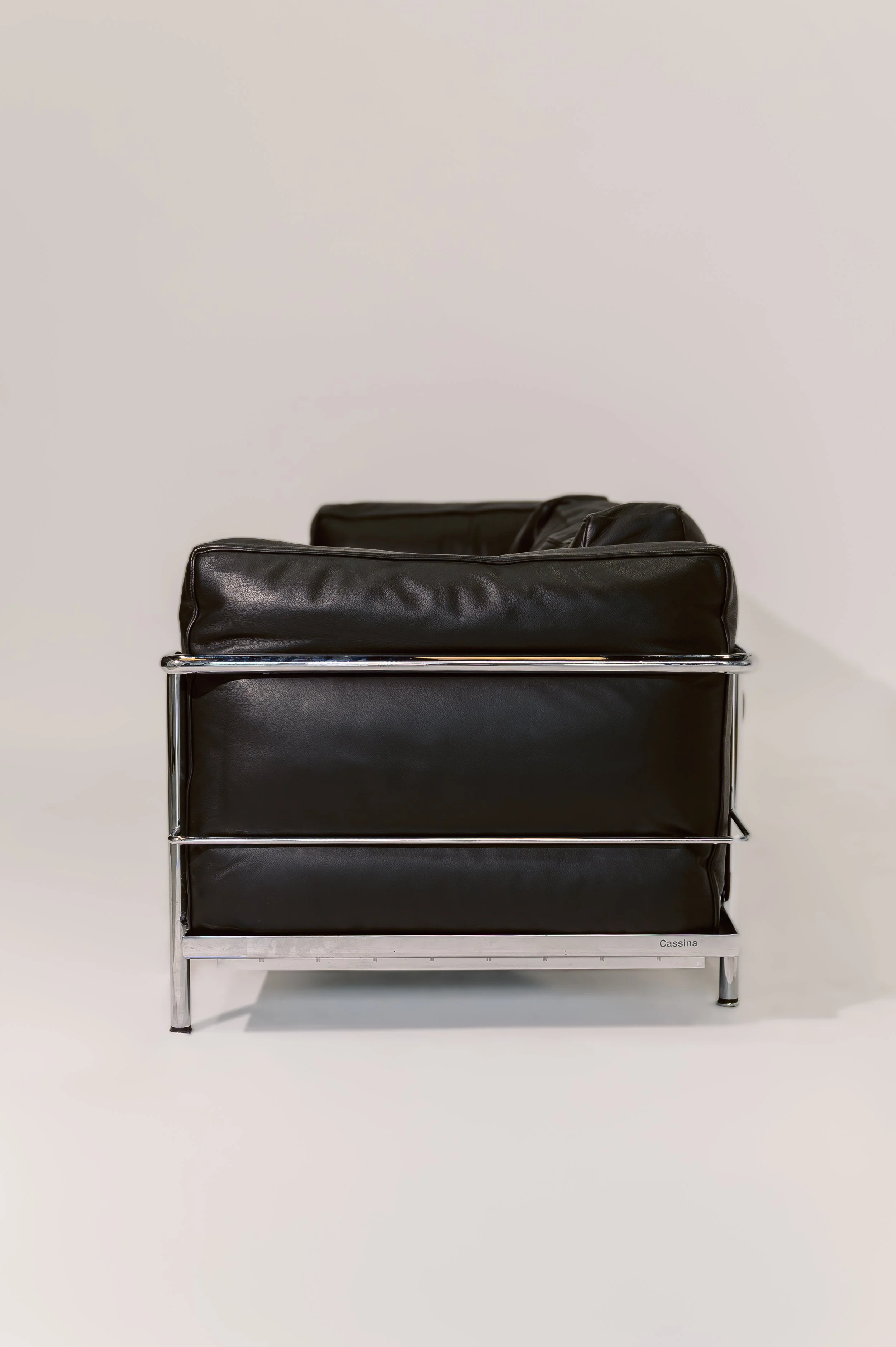
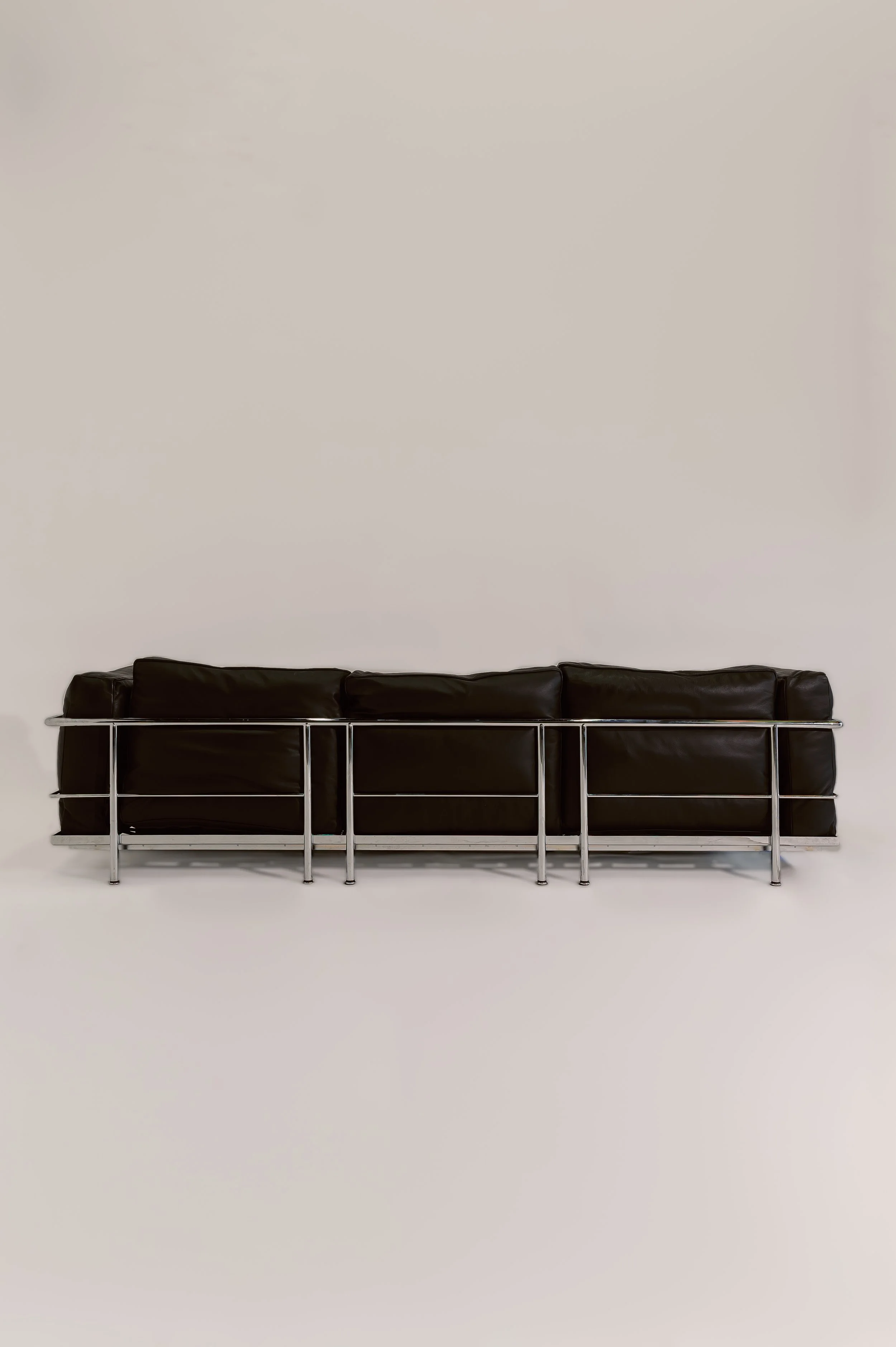
Le Corbusier
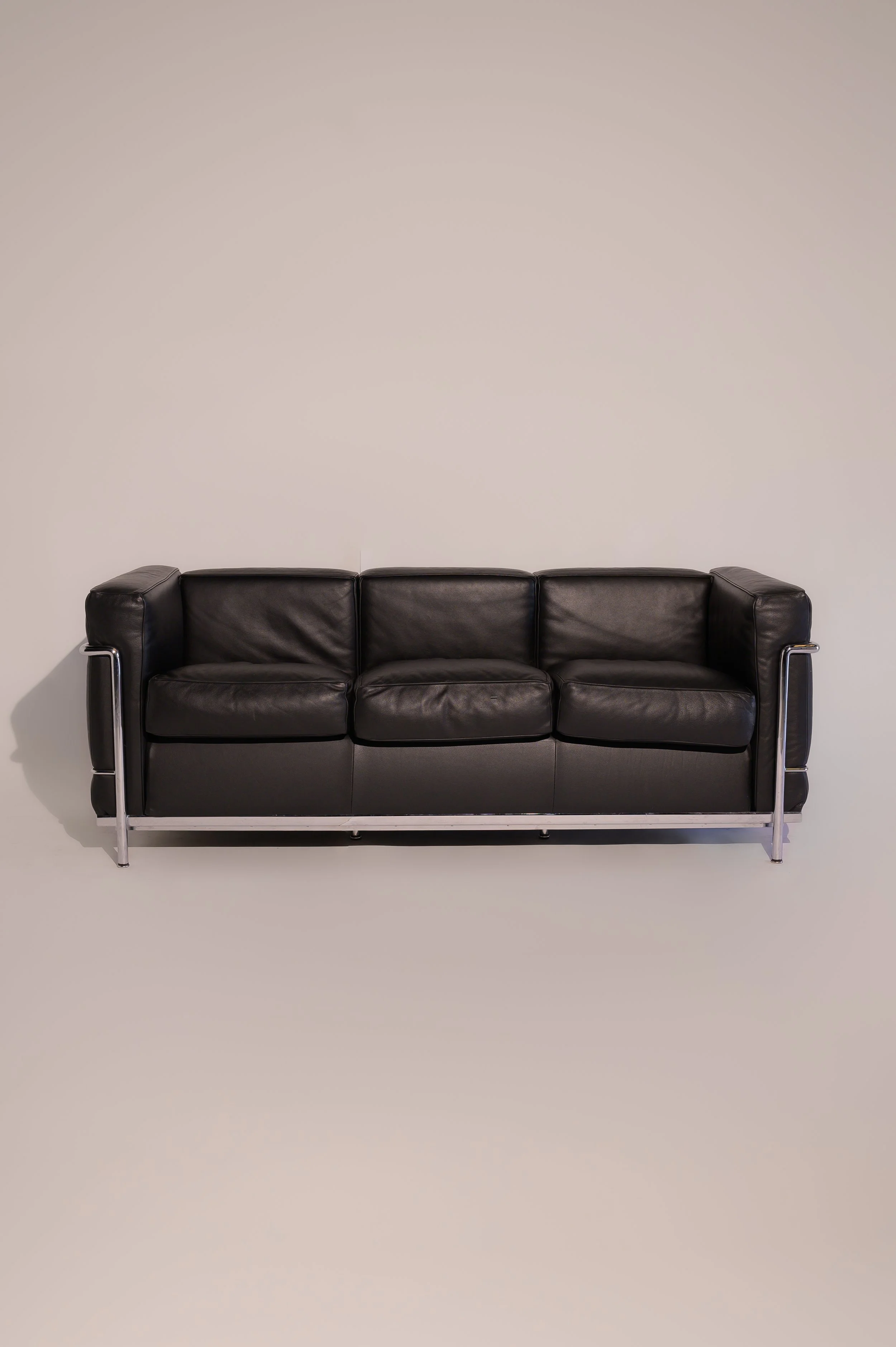
Le Corbusier (1887–1965) was a Swiss-French architect, designer, urban planner, and theorist who fundamentally reshaped modern architecture and design. A pioneer of the International Style, he championed rational planning, new construction technologies, and a vision of architecture as a machine for living—one rooted in efficiency, clarity, and social progress.
Le Corbusier articulated his influential principles through the Five Points of Architecture, advocating pilotis, free plans, ribbon windows, free façades, and roof gardens. His built works—from private villas to large-scale housing and civic projects—combined sculptural form with rigorous geometry, redefining how space, light, and structure interact. Beyond buildings, he designed furniture, developed modular systems like the Modulor, and produced prolific writings and drawings that shaped generations of architects.
Despite ongoing debate around his urban theories and ideology, Le Corbusier’s legacy remains immense. His ideas continue to inform architecture, interior design, and urbanism worldwide, establishing a foundational language of modernism that still frames how we think about space, function, and the role of design in society.
Inquire for pricing info@pdagallery.com
Peter Lane
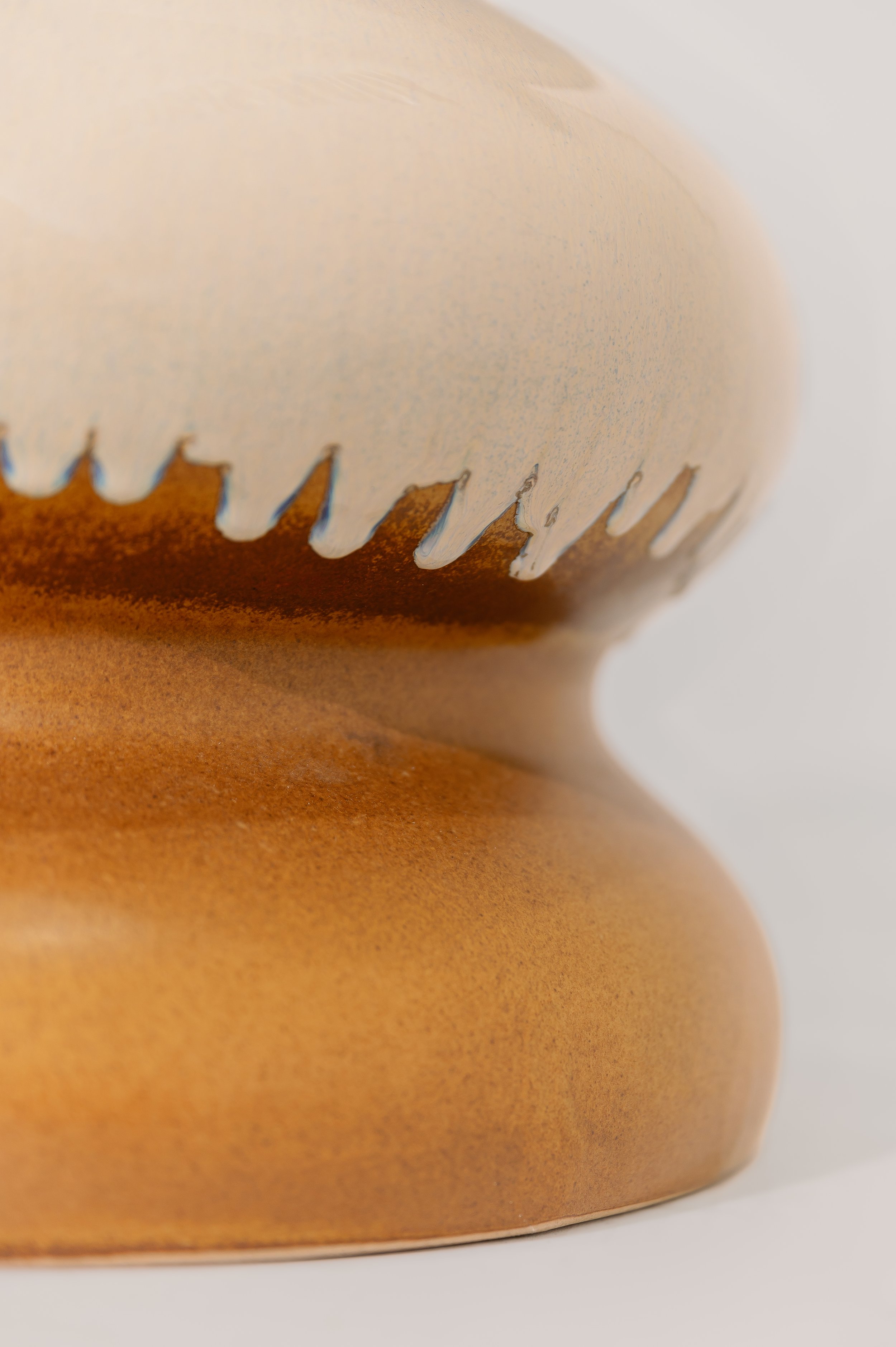
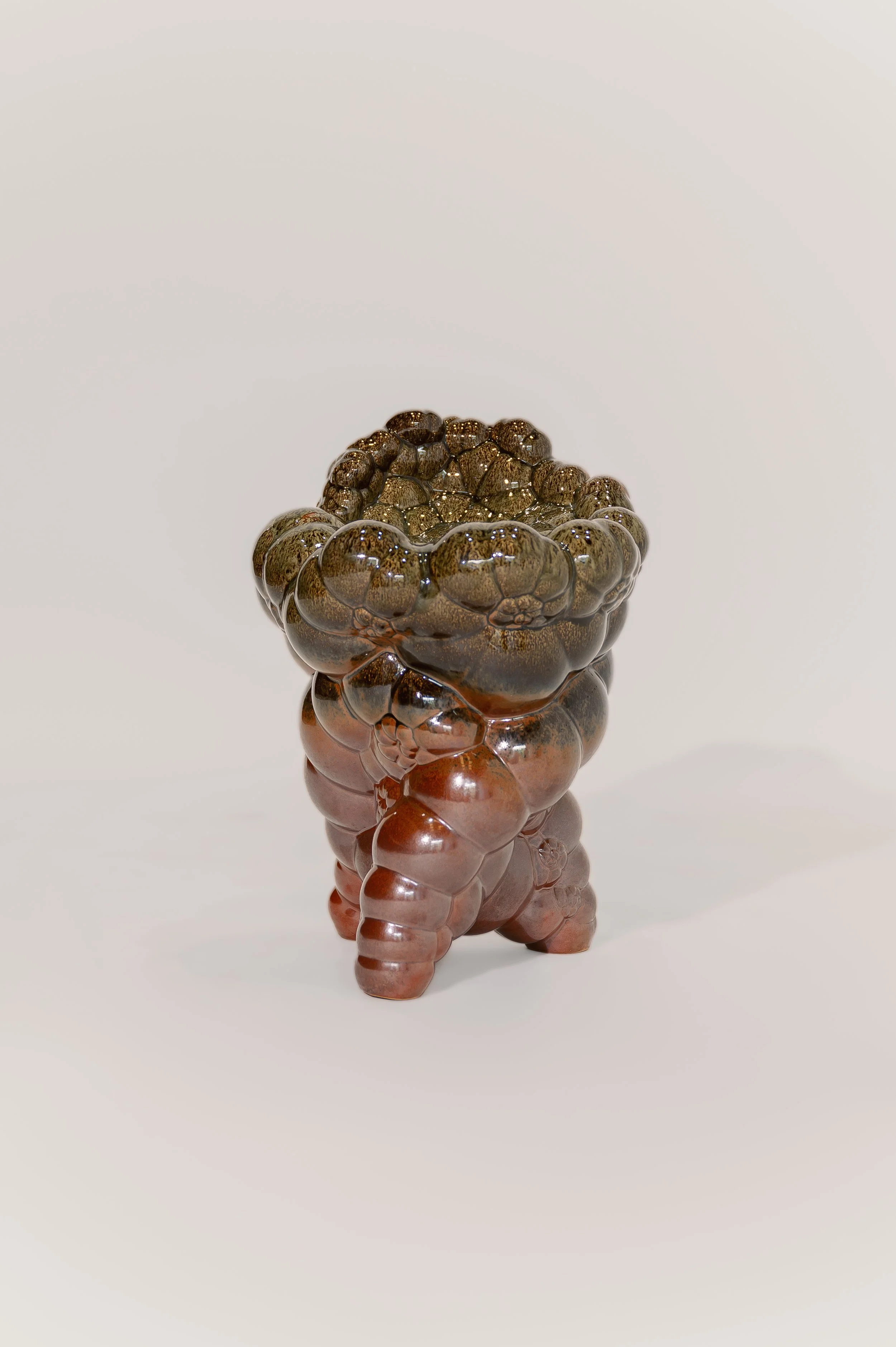
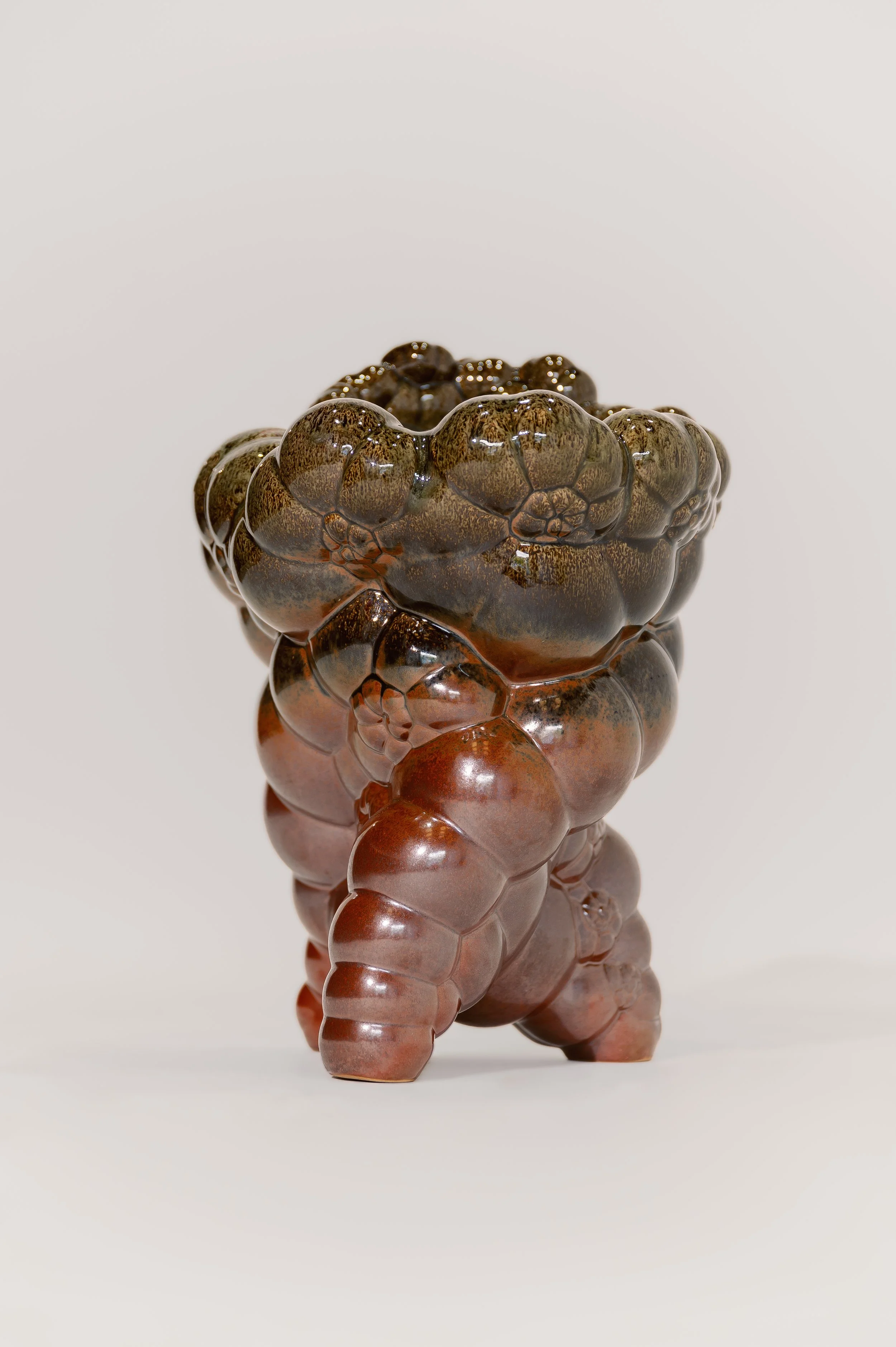
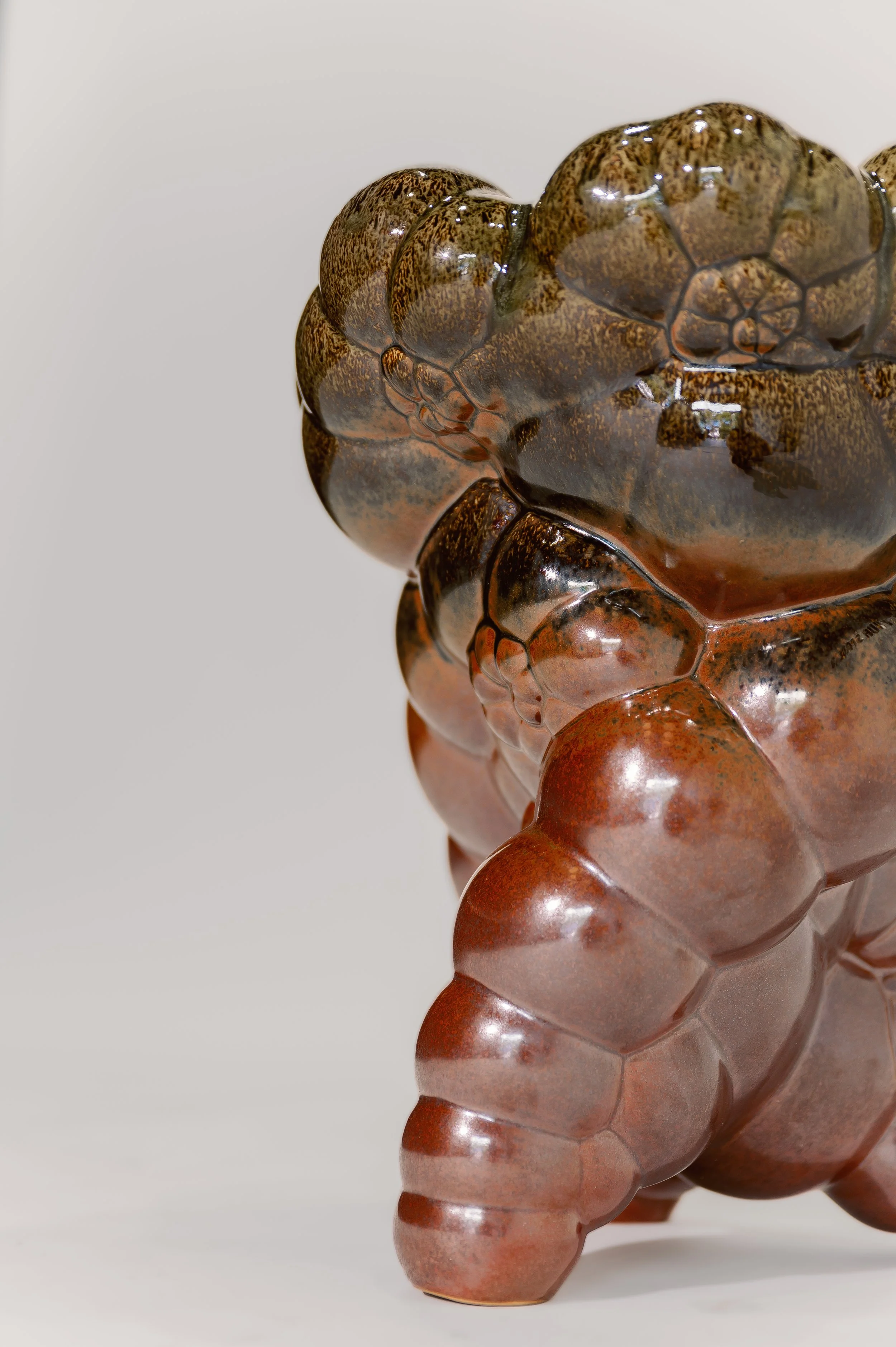
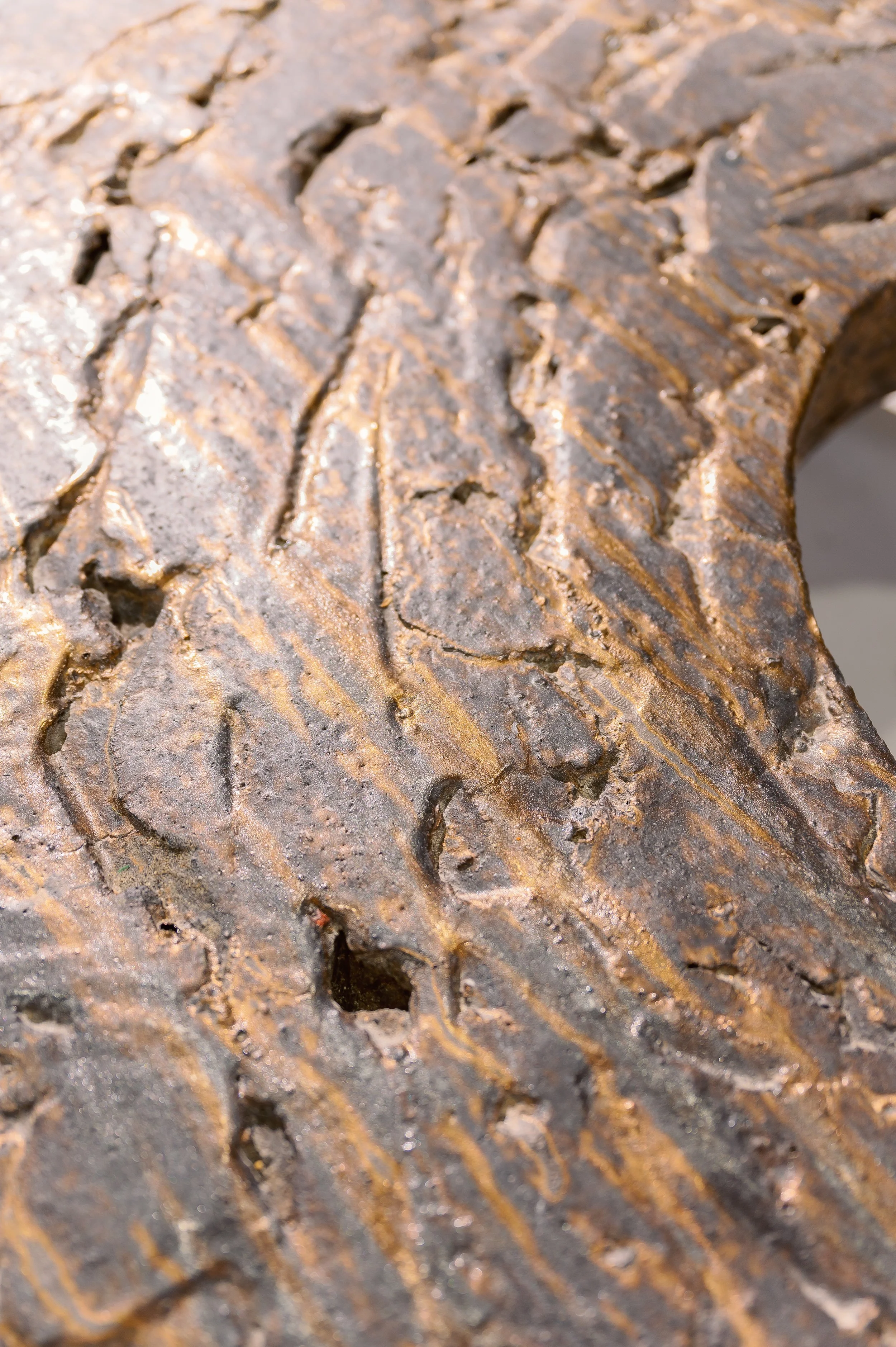
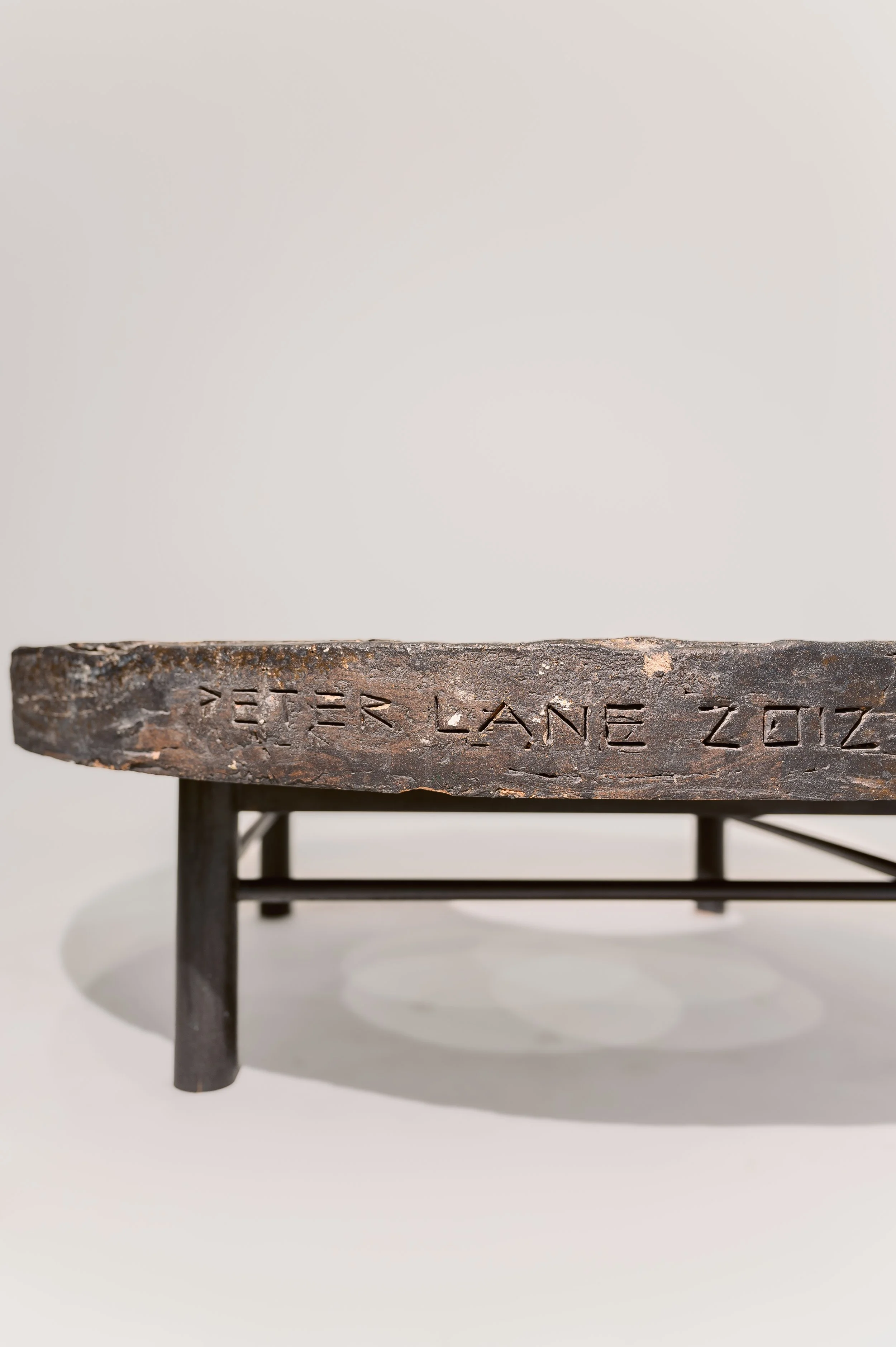
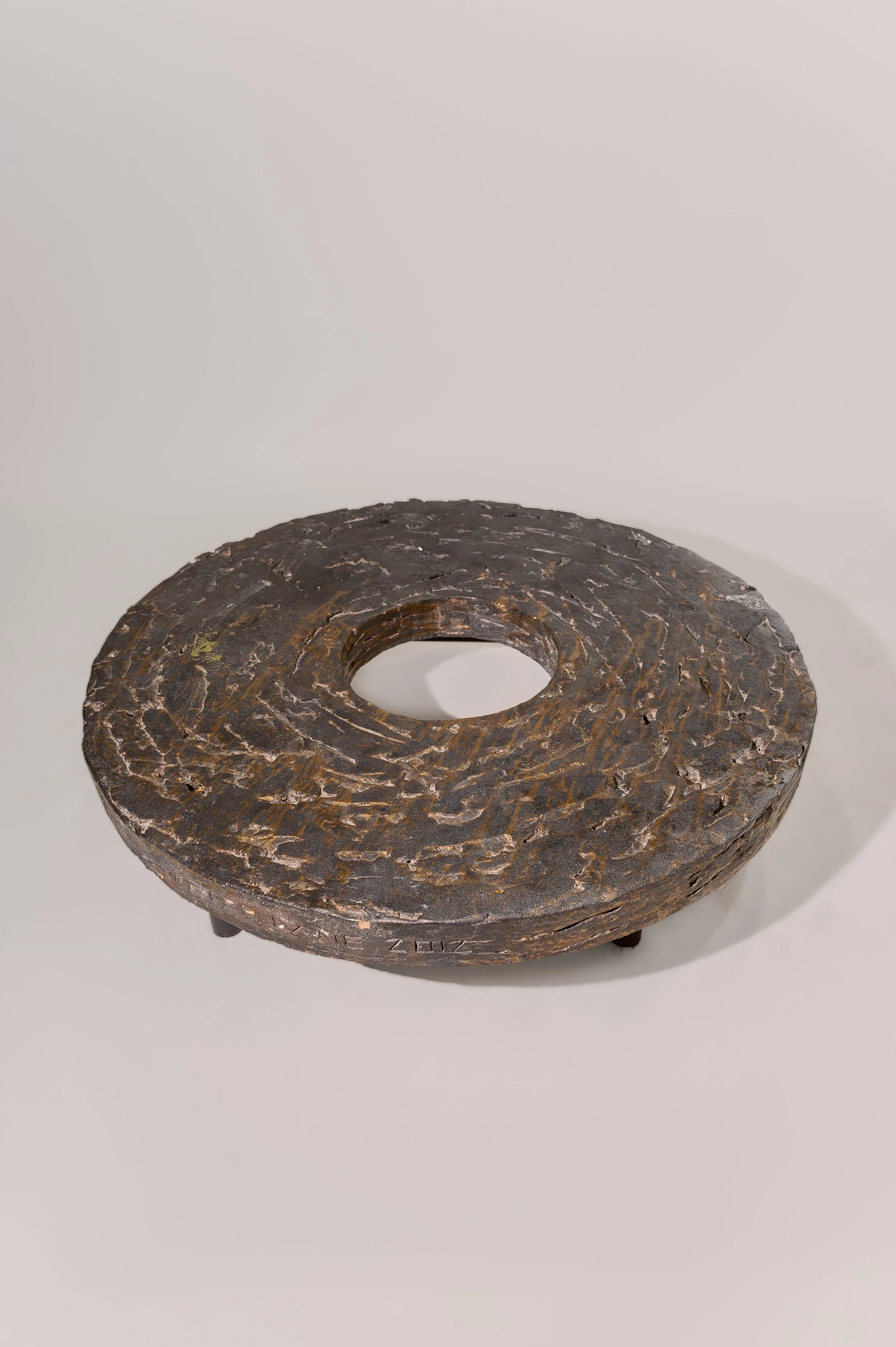
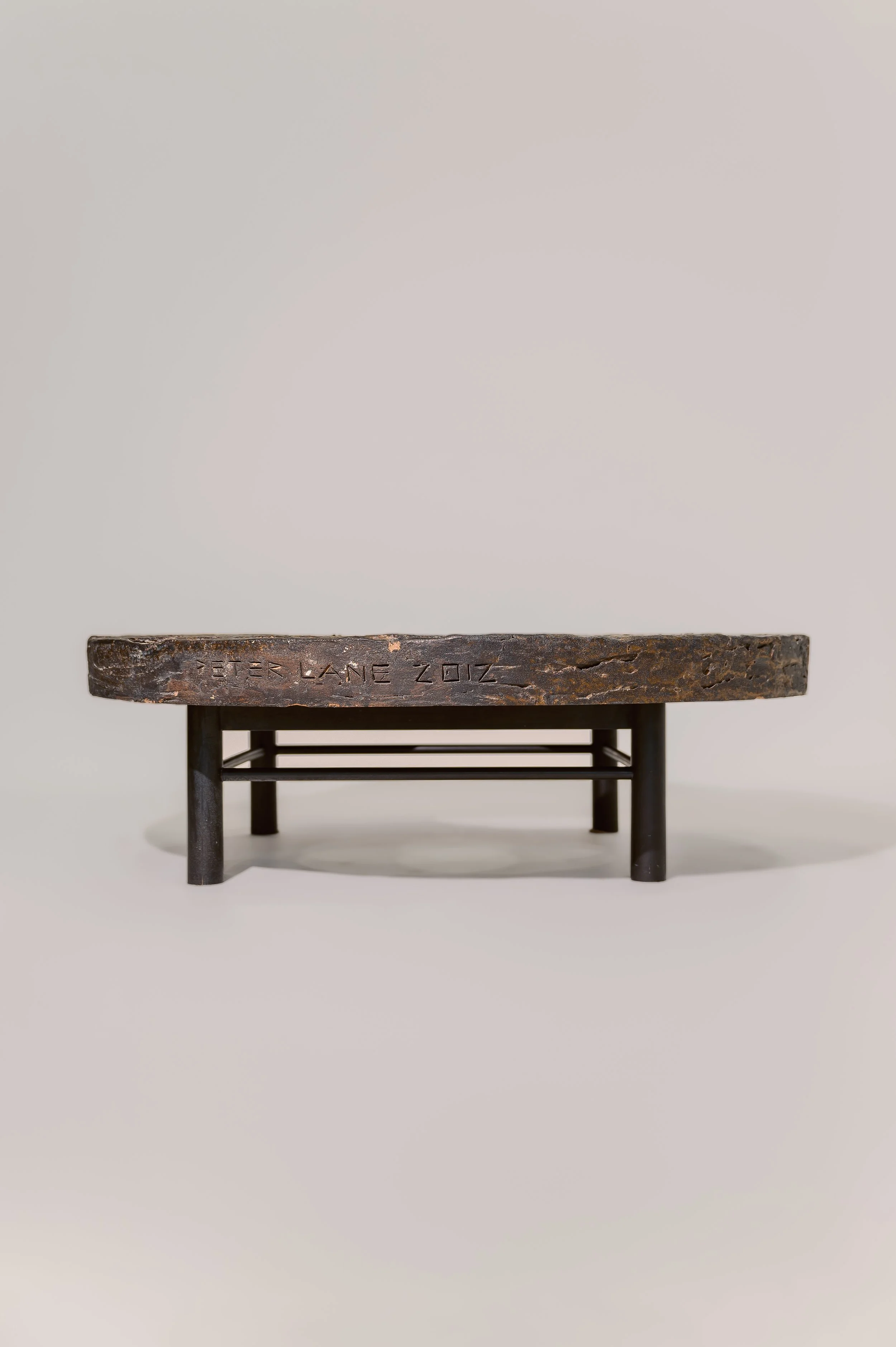
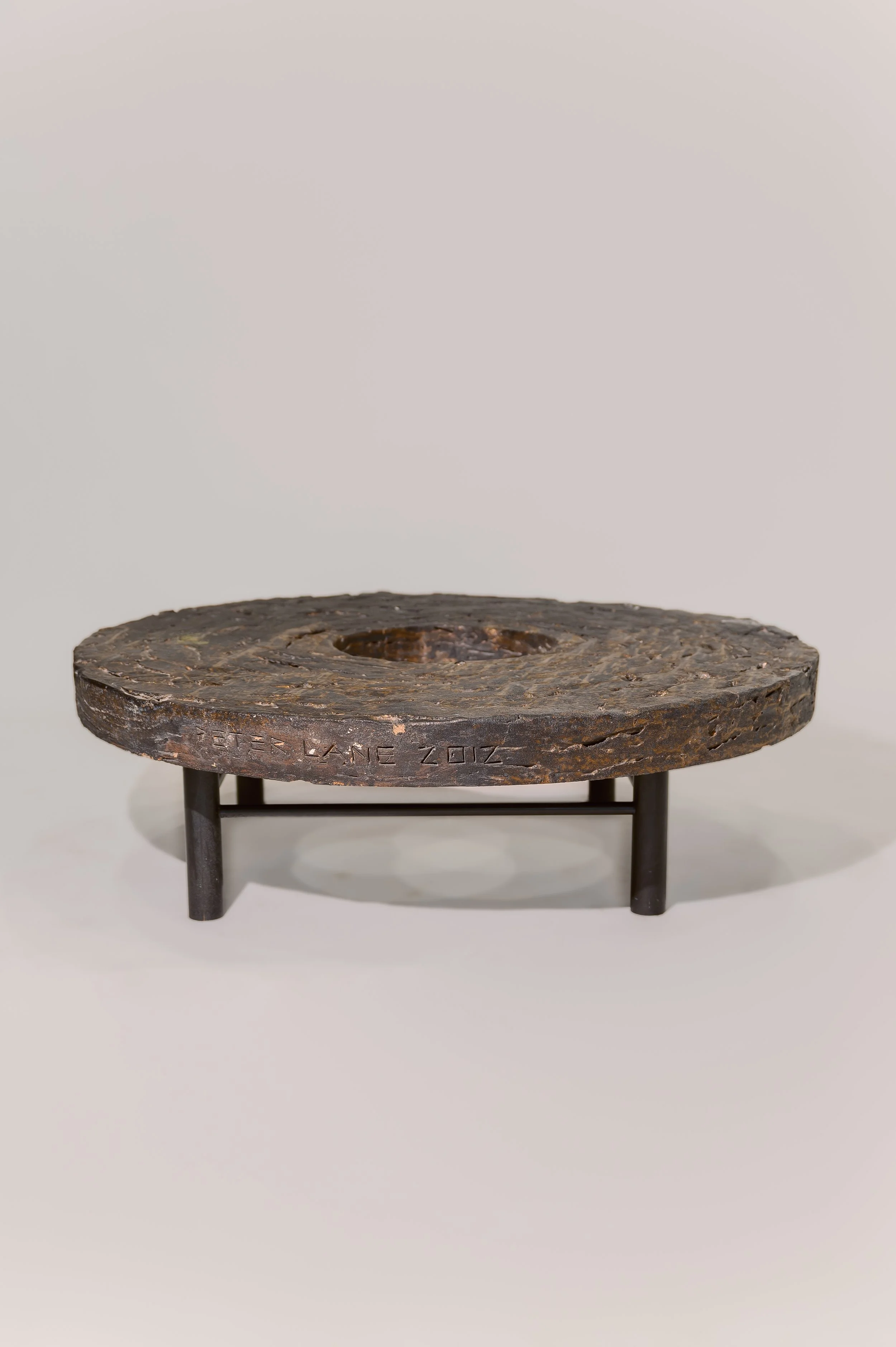
Peter Lane is a designer and maker whose work is defined by a rigorous, hands-on process that sits at the intersection of craft, experimentation, and functional art. Rather than beginning with a fixed outcome, Lane’s practice is rooted in material exploration—allowing clay, glaze, weight, and gravity to actively shape the final form.
His process is deliberately slow and iterative. Forms are tested through making, adjusted through use, and refined over time, with emphasis placed on proportion, balance, and tactility. Subtle irregularities are not corrected but preserved, revealing the marks of the hand and the conditions of production. This approach gives his objects a quiet tension: refined yet raw, precise yet unmistakably human.
Lane often revisits the same typologies—vessels, stools, tables, and functional sculptures—treating them as ongoing studies rather than finished statements. Through repetition and variation, he builds a deep understanding of form and material behavior, resulting in work that feels grounded, enduring, and resistant to trend. His process-driven philosophy positions making itself as the design language, where meaning emerges through attention, restraint, and time.
Inquire for pricing info@pdagallery.com
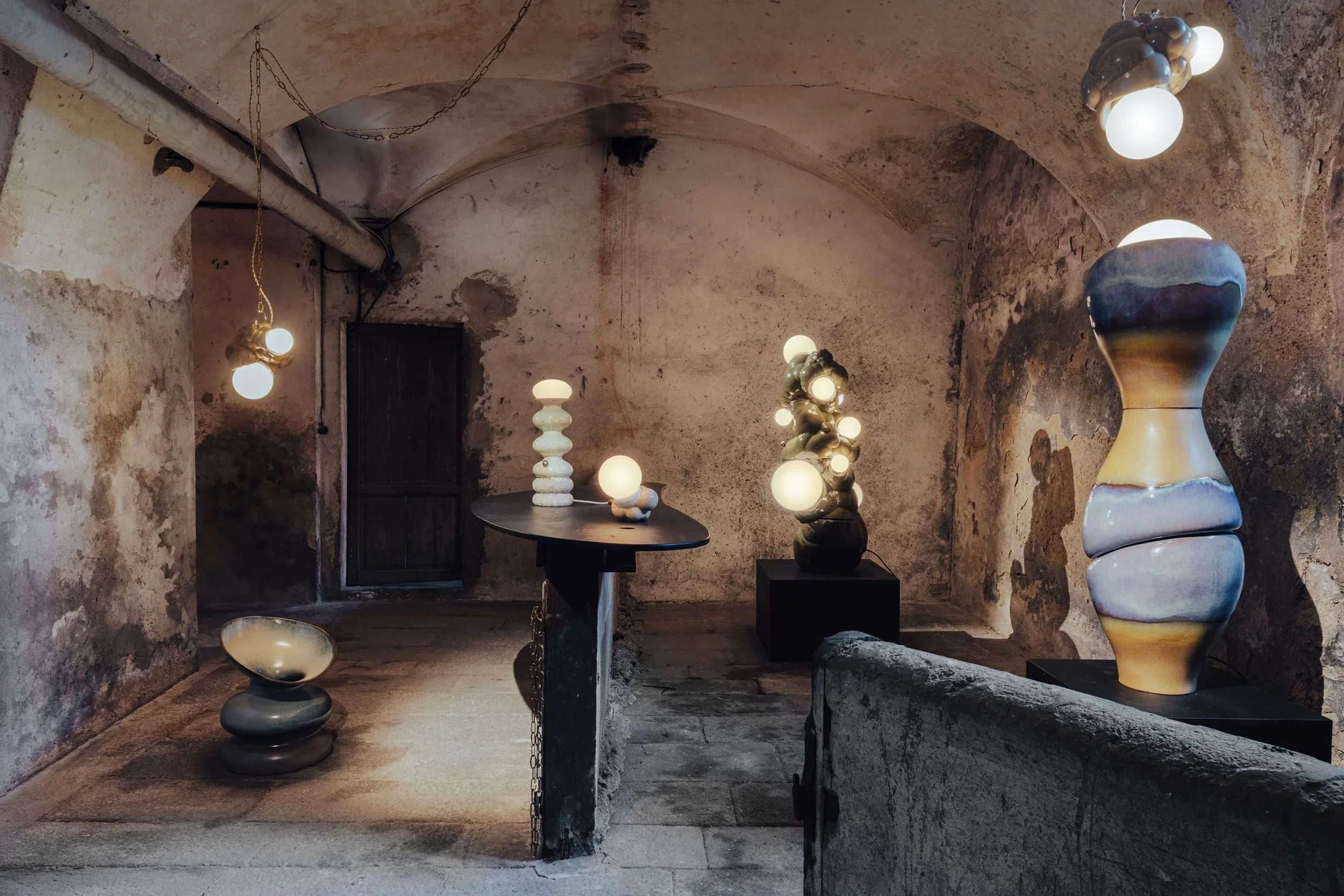
Forma Rosa Studio
Forma Rosa Studio is a New York–based design studio working across interiors, furniture, and collectible design with a focus on material intelligence and spatial clarity. The studio’s work is defined by a refined balance between softness and structure—pairing expressive surfaces with disciplined geometry to create spaces and objects that feel both contemporary and enduring.
Forma Rosa’s process is rooted in research and making. Projects often begin with close study of material behavior, proportion, and light, allowing form to emerge through testing and iteration rather than fixed stylistic rules. This approach results in work that is tactile and emotionally resonant, yet restrained—designed to age gracefully and support everyday use.
Moving fluidly between residential interiors, custom furniture, and limited-edition pieces, Forma Rosa Studio blurs the boundary between functional design and art. Each project reflects a commitment to craft, subtle narrative, and thoughtful collaboration, positioning the studio within a new generation of design practices that value depth, intention, and longevity over trend.
Inquire for pricing info@pdagallery.com